
You do not want to find out your warning lights are wrong after a roadside stop, a failed inspection, or a liability issue on a live work site. If you are asking are amber lights legal in Canada, the short answer is yes - often they are. But legal use depends on who is using them, what kind of vehicle they are on, how they are mounted, and when they are activated.
That is where a lot of buyers get burned. Amber is widely accepted as a caution and warning colour across Canada, but that does not mean every amber beacon, light bar, or hideaway setup is automatically street legal in every province or for every application. For fleets, contractors, tow operators, municipal crews, and roadside service vehicles, the details matter.
Are amber lights legal in Canada for work vehicles?
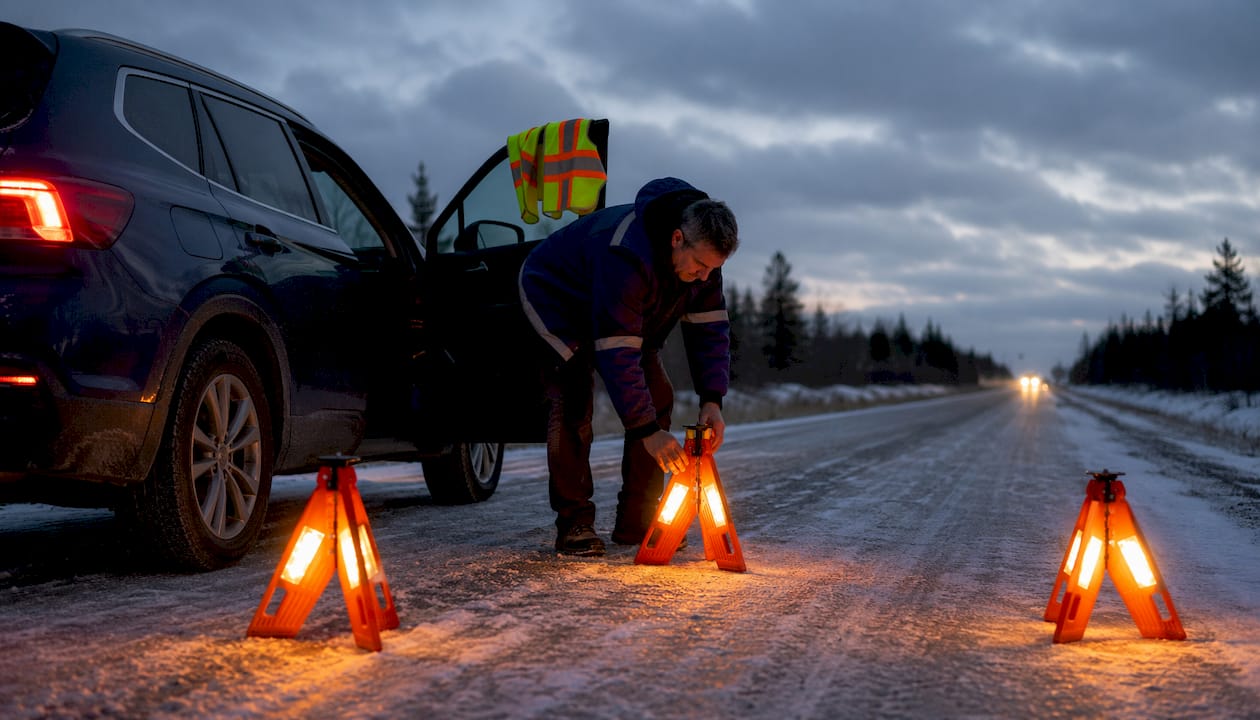
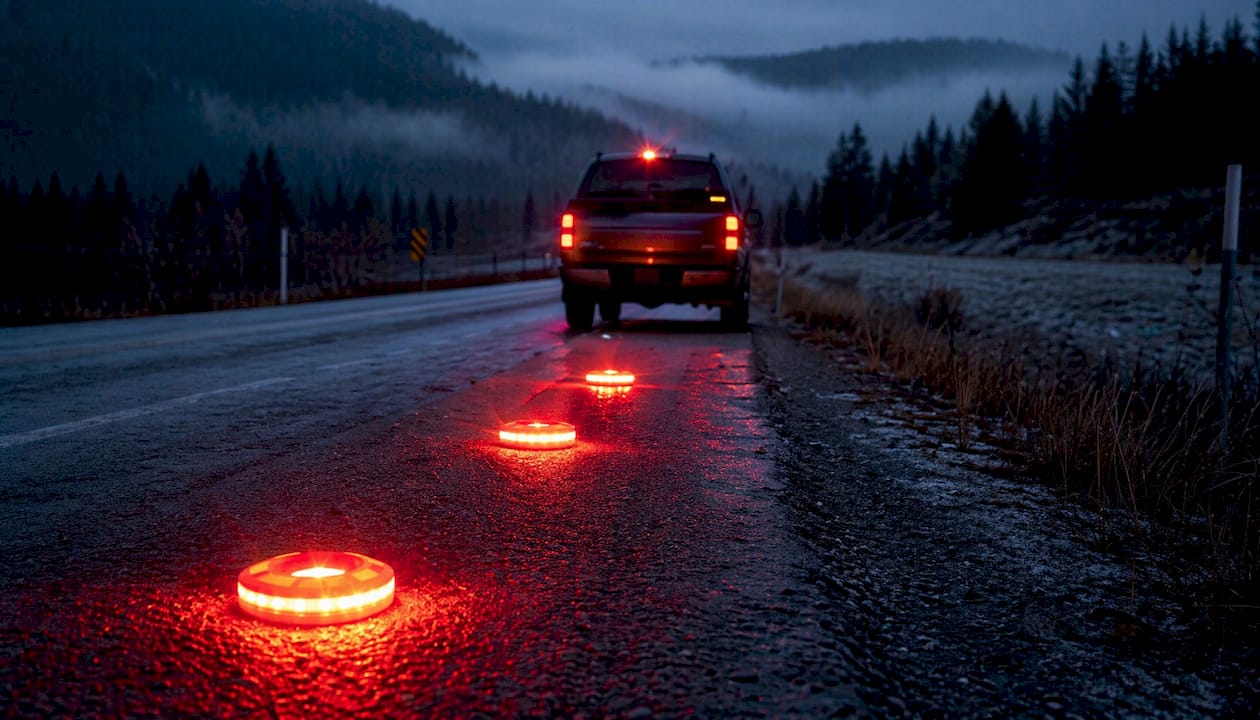
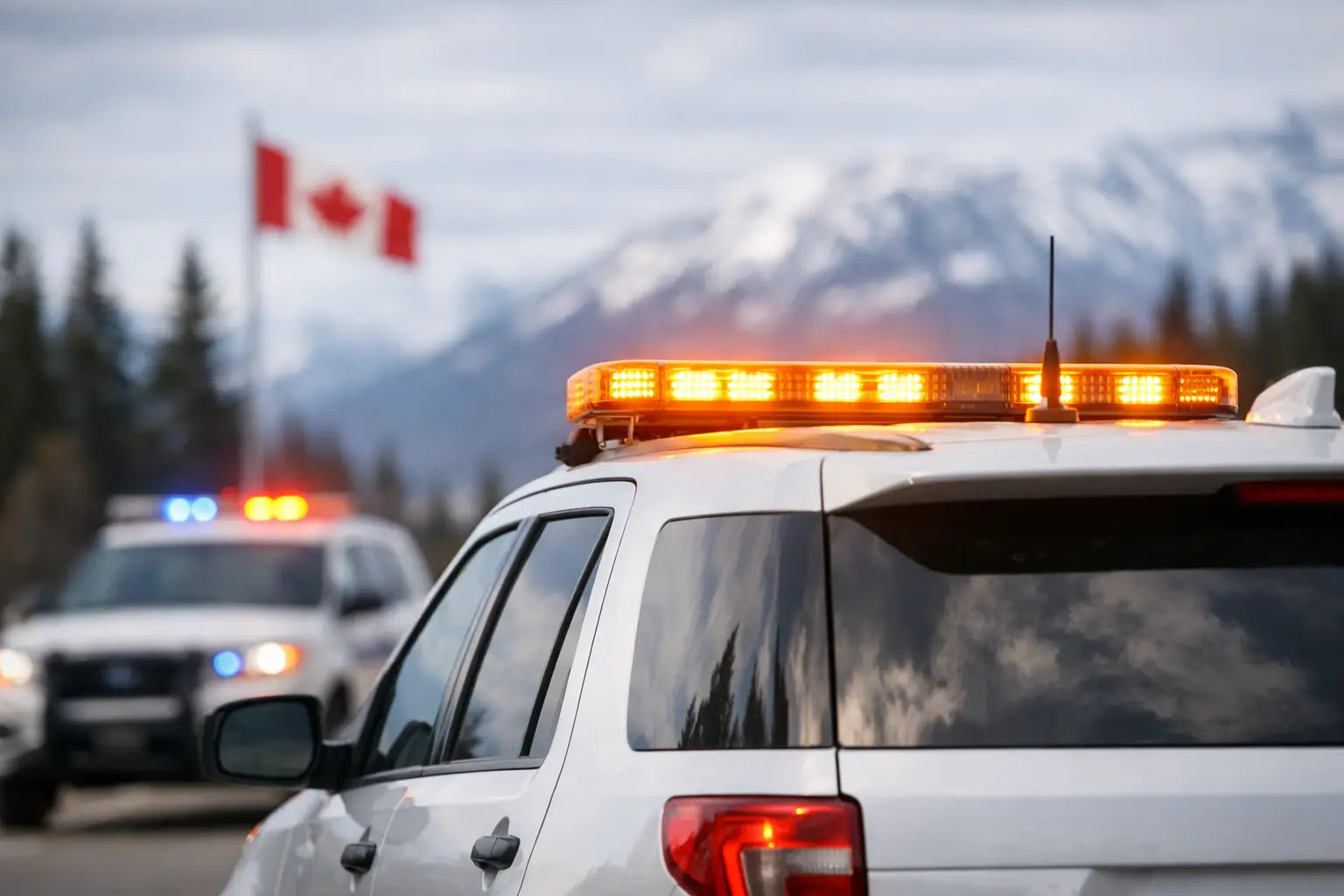
In most cases, amber warning lights are legal in Canada for vehicles performing work, service, maintenance, towing, escort, snow clearing, security, or roadside operations. They are commonly used to make a vehicle more visible when it is stopped, moving slowly, blocking a lane, entering traffic, or operating in reduced visibility.
That said, Canada does not run on one single national vehicle lighting rule for all practical road use. Federal standards apply to vehicle manufacturing and equipment in certain contexts, but day-to-day rules about warning lights are often handled at the provincial and territorial level. That means what is acceptable in Ontario may not be worded exactly the same way in Alberta, British Columbia, or Nova Scotia.
For a fleet manager, the takeaway is simple. Amber is usually the safest legal lane to work in for non-emergency warning lights, but you still need to match the product and the install to your province, your vehicle class, and your actual job function.
Why amber is usually the accepted choice
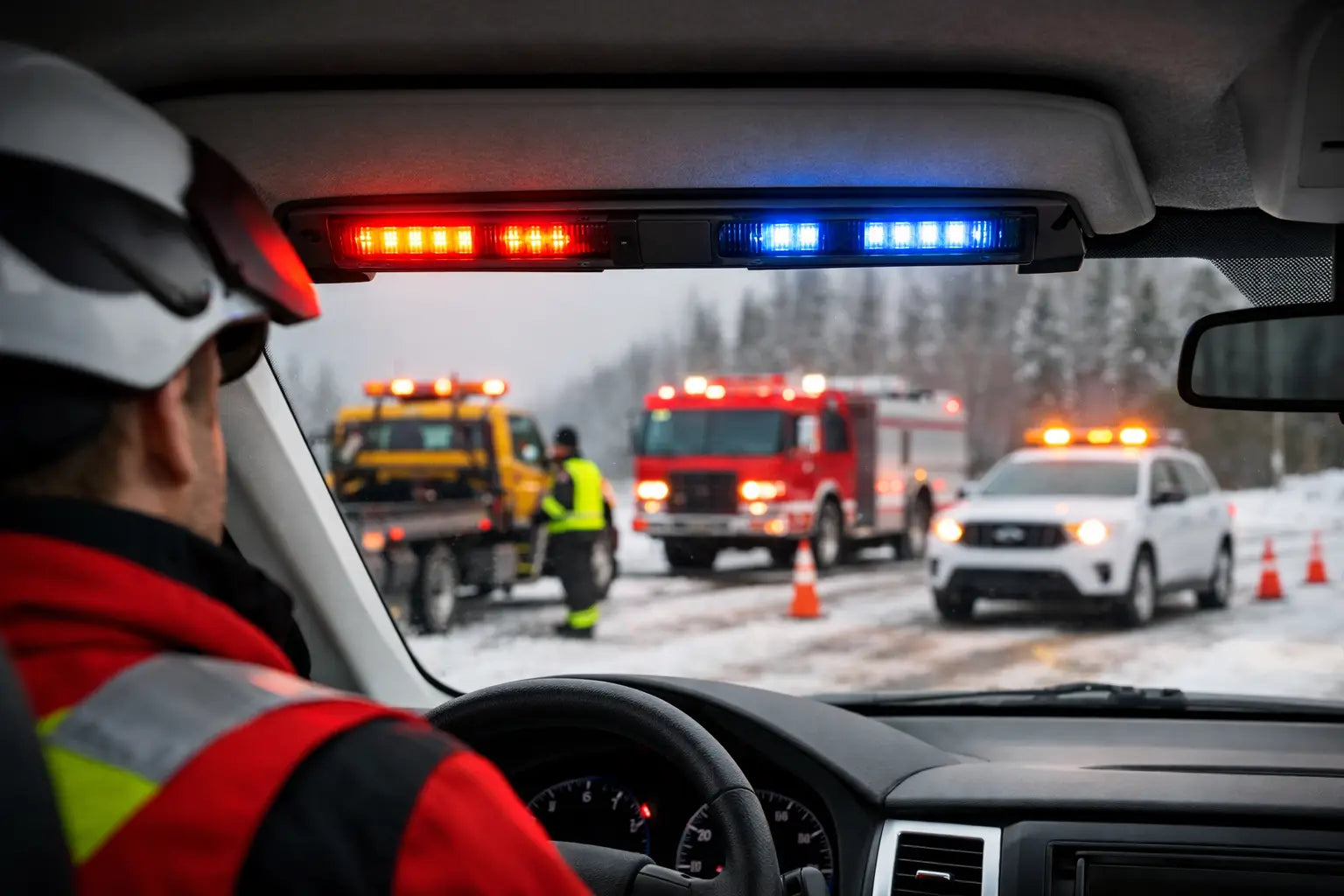
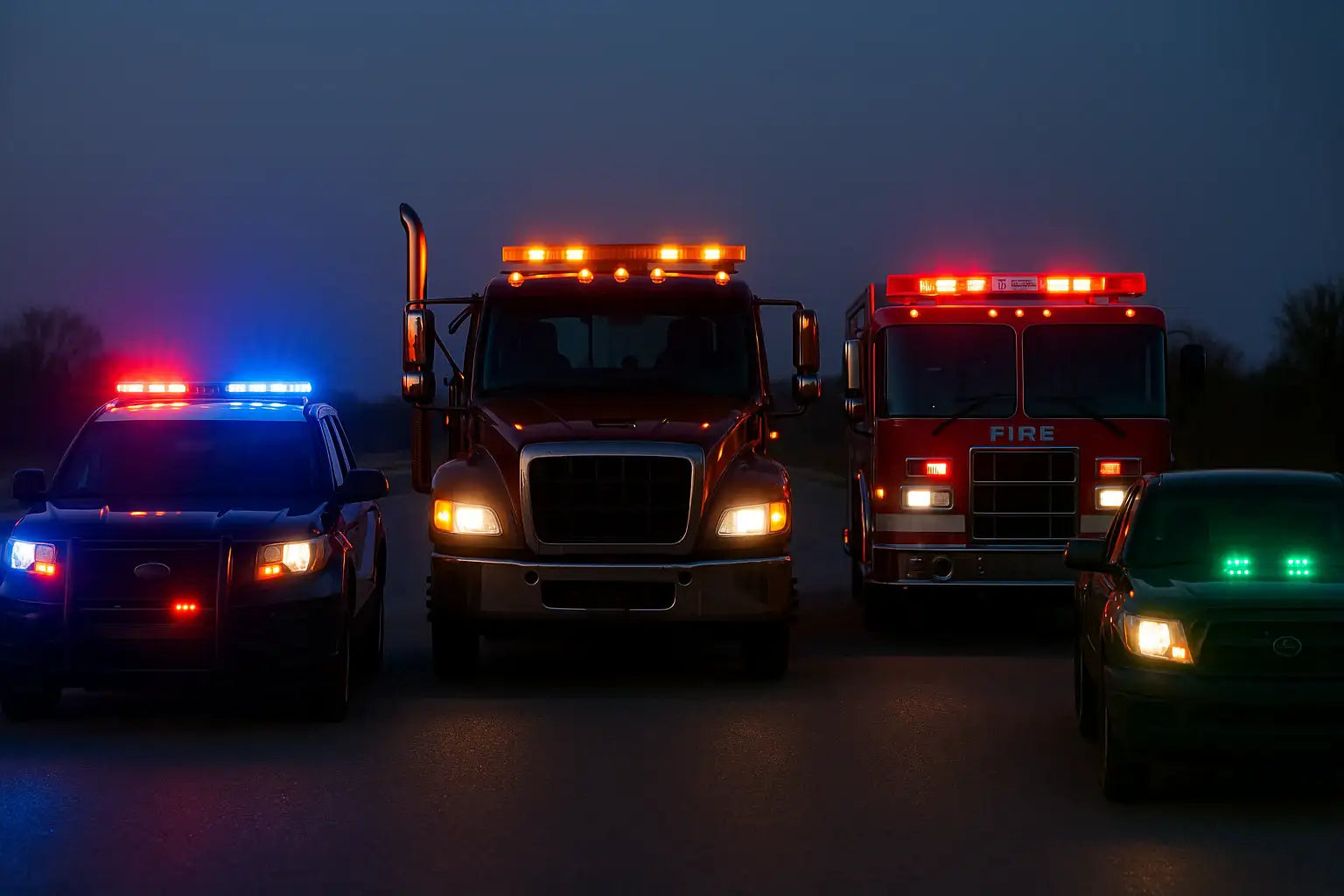
Amber has a clear job. It tells other drivers to use caution. It does not usually signal full emergency right-of-way the way red, blue, or red and white combinations may for police, fire, or ambulance services, depending on the jurisdiction.
That is why amber is the standard choice for a long list of Canadian work vehicles. Think tow trucks, pilot cars, utility units, road maintenance pickups, snowplows, traffic control trucks, construction vehicles, and private contractor fleets working near active traffic. The colour is recognized, practical, and less likely to put you into restricted territory reserved for emergency services.
That does not mean amber gives you special privileges. An amber beacon does not let you ignore traffic law, force right-of-way, or operate like an emergency responder. It is a warning tool, not a pass.
Where buyers get into trouble
Most legal problems with amber lights are not about the colour alone. They usually come from one of four issues: using the wrong light on the wrong vehicle, mounting it in a prohibited position, using it while driving in situations not allowed by local law, or combining it with colours that trigger emergency-vehicle restrictions.
A cheap imported light can also create problems if it fails, flashes poorly, washes out in daylight, or does not hold up in Canadian weather. Legal and usable are not always the same thing. If your light is technically amber but too weak to be effective on a 400-series shoulder in sleet, you did not really solve the safety problem.
Provincial differences matter more than most people think
If you operate in one province, you need to read that province’s rules. If your fleet crosses provincial lines, you need to be even more careful. Some provinces are specific about which vehicles may display flashing amber. Others focus more on the purpose of the vehicle and the circumstances of use.
For example, one jurisdiction may allow amber on service and maintenance vehicles broadly, while another may tie legal use more closely to highway work, towing, snow removal, or public utility operation. Some may also regulate visibility angles, flash patterns, intensity, or whether lights can be used only while the vehicle is stopped or actively engaged in work.
This is why experienced buyers do not ask only, “Is amber legal?” They ask, “Is this setup legal for this truck, in this province, doing this job?” That is the right question.
Are amber lights legal in Canada on personal vehicles?
This is where the answer tightens up.
If you are putting amber lights on a personal vehicle for style, show use, or because you think it looks tactical, you may be walking into trouble. In many places, flashing warning lights are tied to authorized vehicle functions, not personal preference. Even if amber is less restricted than red or blue, it still may not be legal to display or operate it on a regular private vehicle on public roads without a valid work-related reason.
There is also the practical side. If your vehicle looks like it is imitating an authorized service unit, that can attract enforcement attention fast. Fleets should avoid any setup that blurs the line between legitimate warning equipment and novelty lighting.
Mounting, visibility, and flash pattern still count
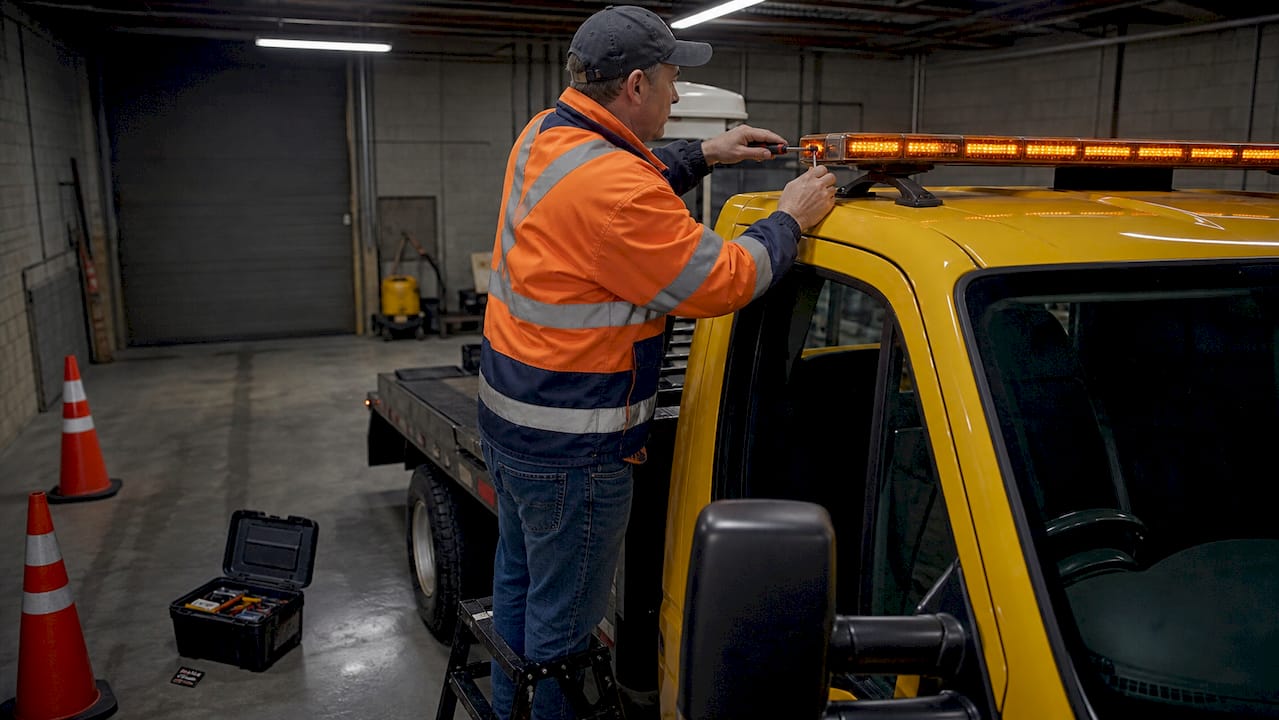
You can have the right colour and still get the install wrong. Roof-mounted beacons, mini bars, grille lights, rear deck lights, visor bars, and hideaways all behave differently. Placement affects visibility, glare, and whether the light can be seen from the required angles.
Flash pattern matters too. A pattern that works in a yard may be useless on a highway shoulder at noon. Overly aggressive patterns can also create confusion or unnecessary distraction. Good warning lighting is not about making the most chaos. It is about giving clear, unmistakable notice to approaching traffic.
For that reason, professional fleets usually stick with proven warning products designed for active-duty use, not novelty units sold for off-road or decorative purposes. SAE-rated equipment, proper wiring, secure mounting, and clean switching matter if you want a setup that holds up under actual field conditions.
What commercial operators should check before buying
Before ordering anything, confirm three things. First, what does your province allow for your vehicle type and work role? Second, when are your operators legally allowed to use the lights? Third, does the product itself fit the duty cycle, visibility requirement, and mounting location you need?
A tow truck running urban calls, a municipal plow on a rural route, and a contractor pickup doing shoulder work may all use amber lighting, but they do not necessarily need the same package. One may need full 360-degree roof visibility. Another may need stronger rear warning for traffic approaching at speed. Another may need a compact setup to clear a low garage while still meeting operational needs.
Buying based on price alone is how fleets end up replacing junk twice. Buying based on the job is how you get lighting that stays compliant, stays visible, and keeps crews safer.
The safest answer for most fleets
If your operation is non-emergency and needs warning visibility on Canadian roads, amber is usually the starting point because it is the most commonly accepted colour for caution and service use. But “usually” is not the same as “always.” You still need to verify provincial rules, vehicle classification, approved use case, and install method.
That is especially true if you are mixing amber with white work lights, using directional traffic advisors, or outfitting vehicles that serve multiple roles. A truck that does snow removal in winter and construction support in summer may still be fine with amber, but the way the equipment is used can change what is appropriate on-road.
For professional buyers, the smart move is simple. Treat warning lighting as safety equipment, not an accessory. Spec it the same way you would spec tires, brakes, or fall protection - based on regulation, environment, and actual risk.
That is the mindset behind serious suppliers like Strobe My Ride. The goal is not to bolt flashy lights onto a truck. The goal is to put reliable, compliant warning equipment on vehicles that work in live traffic, bad weather, and real Canadian conditions.
If you are unsure whether your amber setup is legal, do not guess and do not copy what you saw on somebody else’s pickup. Check the rules, match the light to the job, and build a setup that keeps your people visible for the right reasons.