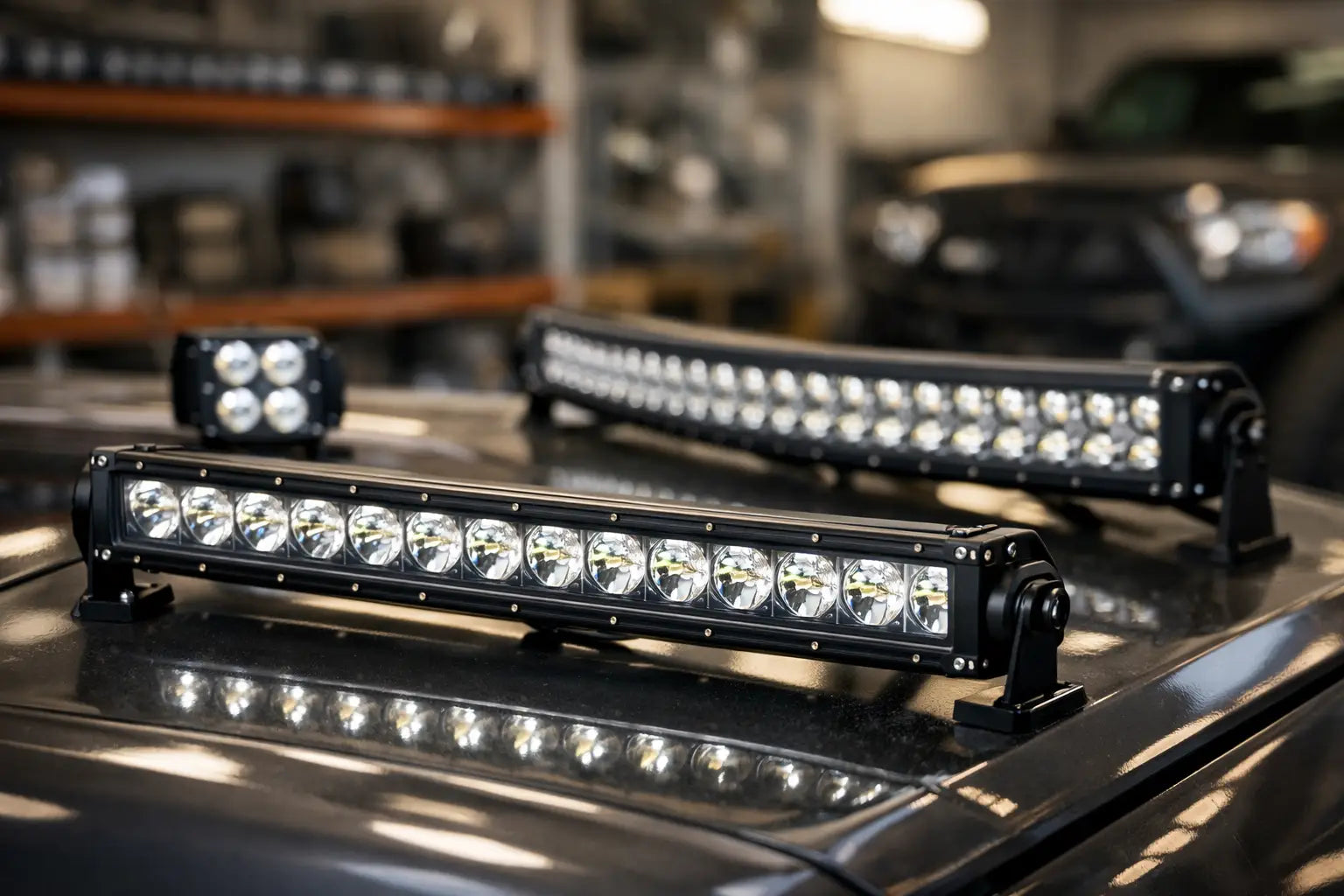
If you have ever bought a light bar based on a photo, a wattage claim, or a price that looked too good to ignore, you already know how this goes. The bar shows up, looks decent on the bench, then disappears in snow, rain, traffic spray, or broad daylight on the shoulder. That is why knowing how to choose a light bar matters - not for looks, but for roadside visibility, compliance, and getting your people home safe.
For fleets, contractors, tow operators, road crews, and volunteer responders, a light bar is not a dress-up accessory. It is a safety tool. The right one has to match the vehicle, the job, the operating environment, and the regulations you work under. Anything less is money wasted and risk added.
How to choose a light bar starts with the job
The first mistake buyers make is shopping by size before they shop by use case. A half-size bar on a pickup doing local site work is one thing. A full-size warning bar on a tow truck running highways at night in winter is another.
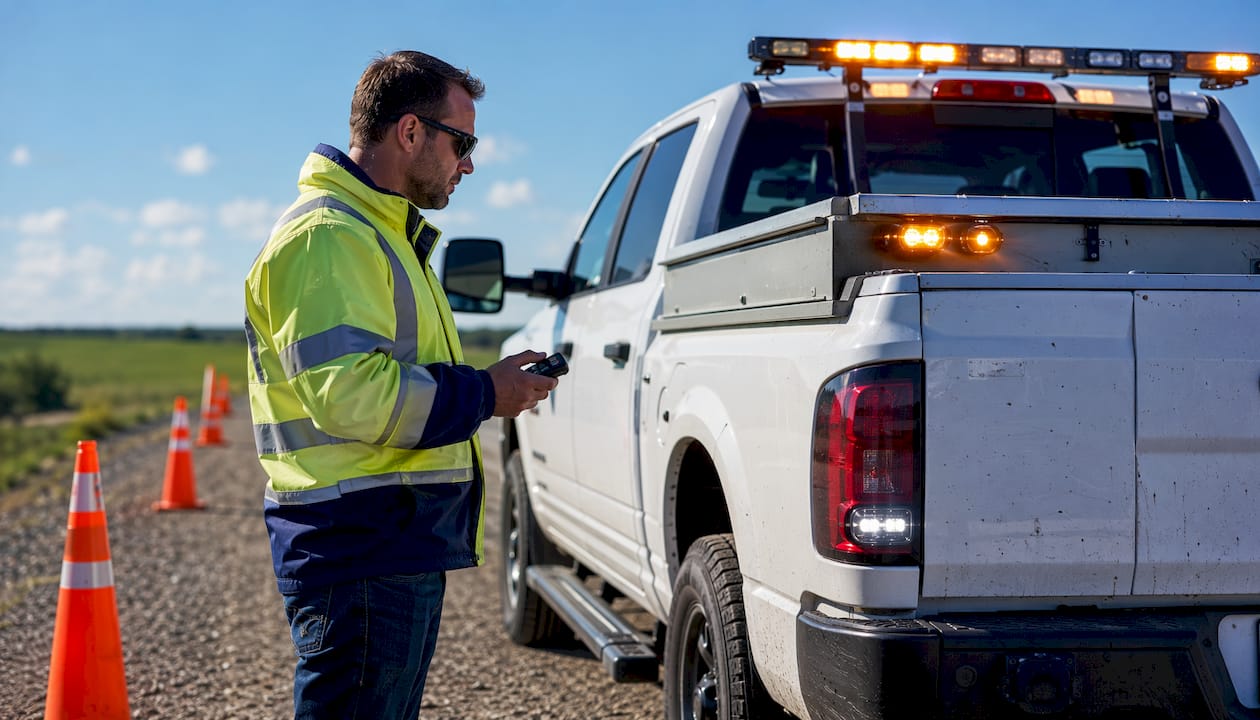
Start with where the vehicle operates and what you need the light to do. If the vehicle spends time stopped on high-speed roads, visibility at distance matters more than a compact profile. If it works in urban areas, intersections, parking lots, or tight municipal yards, side warning and off-axis visibility become just as important as straight-ahead punch.
Think about duty cycle too. A light bar used a few times a month on a supervisor truck does not face the same demands as one running daily on plows, wreckers, pilot trucks, or traffic control units. If the vehicle is in active service through salt, slush, vibration, and long idling hours, buy for abuse, not best-case conditions.
Brightness is not the same as effective warning
A lot of buyers get hung up on raw output claims. More LEDs and bigger numbers do not automatically mean a better warning package. Beam pattern, lens design, flash programming, and optical focus matter just as much.
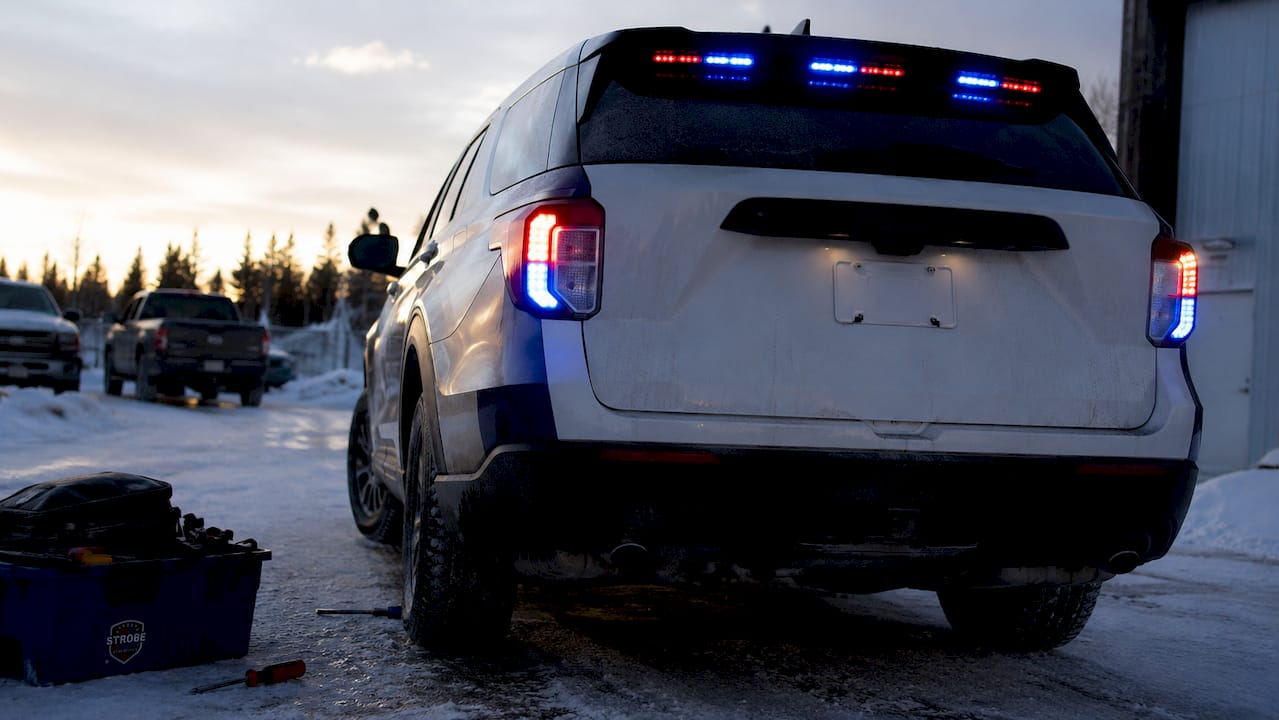
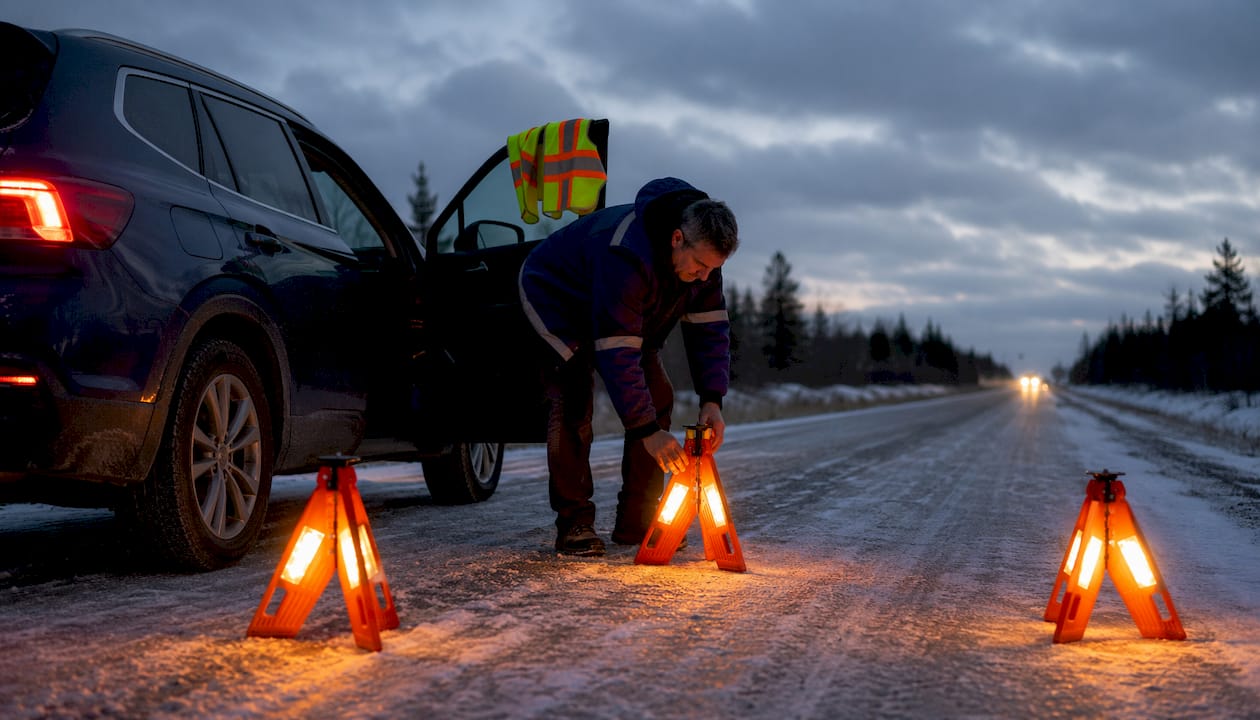
A good light bar needs to be visible in the conditions your crew actually works in. In bright daylight, that means strong forward and rear punch. In snow, fog, and blowing dust, it also means avoiding a setup that creates too much glare for the driver or washes out nearby visibility.
This is where cheap bars usually fall apart. They may look intense at night in a yard, but they lack the optics to carry in daylight or hold up from wider angles. Professional-grade bars are built to throw usable warning light, not just produce a flashy light show.
Size matters, but bigger is not always better
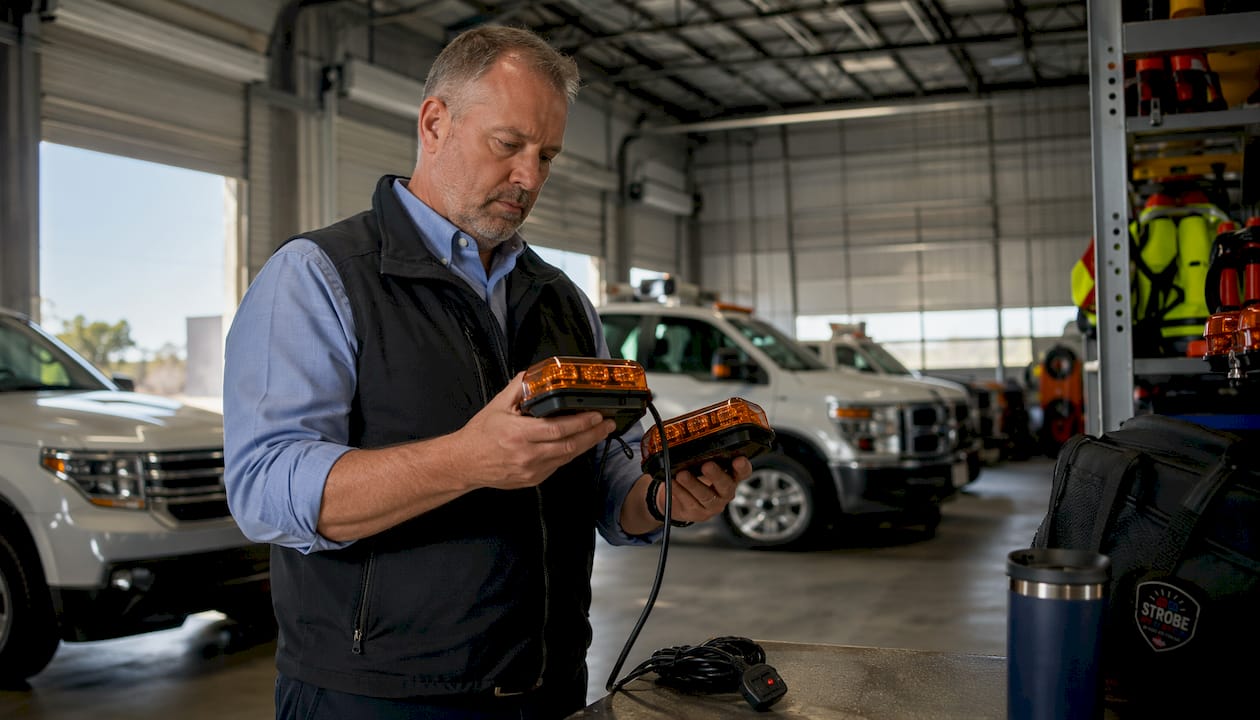
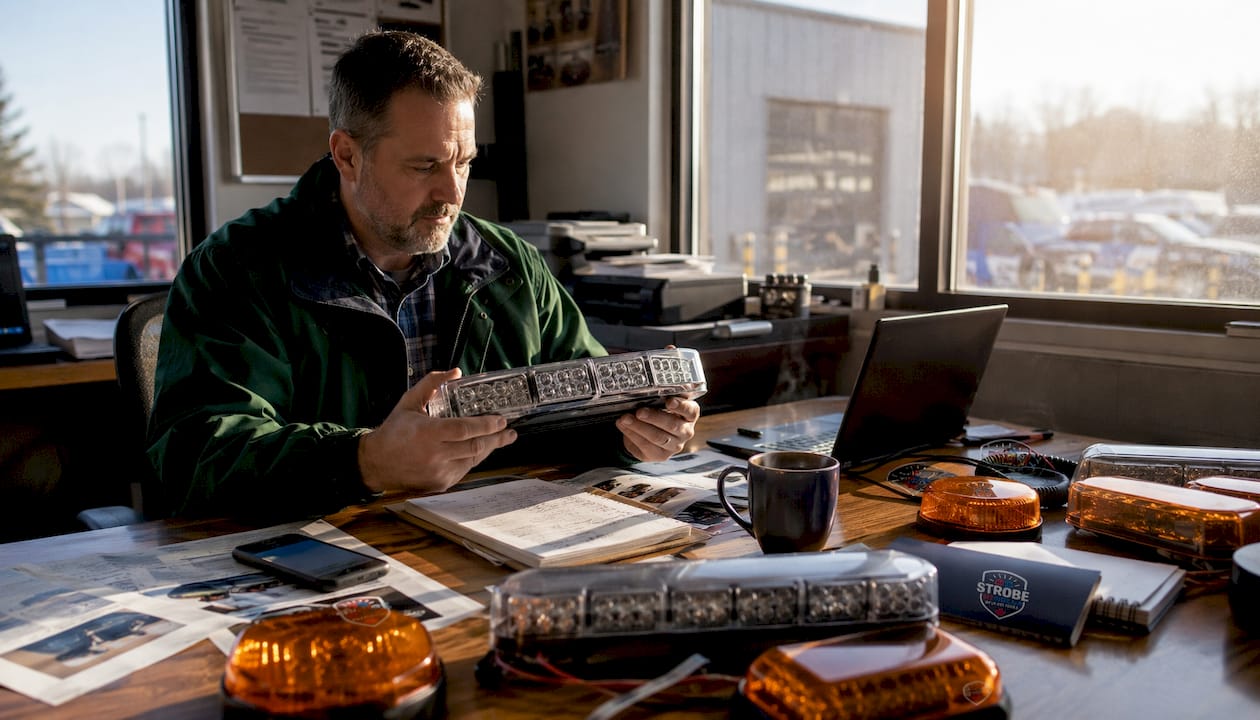
When people ask how to choose a light bar, they often jump straight to length. There is a reason. The bar has to fit the roofline, look proportionate, and leave room for antennas, racks, or other equipment.
A wider bar generally gives you better visibility, more modules, and more flash pattern flexibility. On full-size trucks, service bodies, and larger fleet vehicles, a full-length bar often makes sense because it gives stronger side intersection warning and a more commanding presence.
But bigger comes with trade-offs. Full-size bars can add wind noise, increase drag, and create clearance issues in garages, wash bays, and low branches. For some pickups, SUVs, and smaller municipal units, a mini bar or shorter full-feature bar is the smarter call if roof space is limited or the vehicle has multiple rooftop accessories.
The right answer is usually the largest bar that fits the vehicle properly without creating operational headaches.
Compliance is not optional
If the vehicle is operating in a regulated environment, compliance is not a nice extra. It is part of the buying decision from day one.
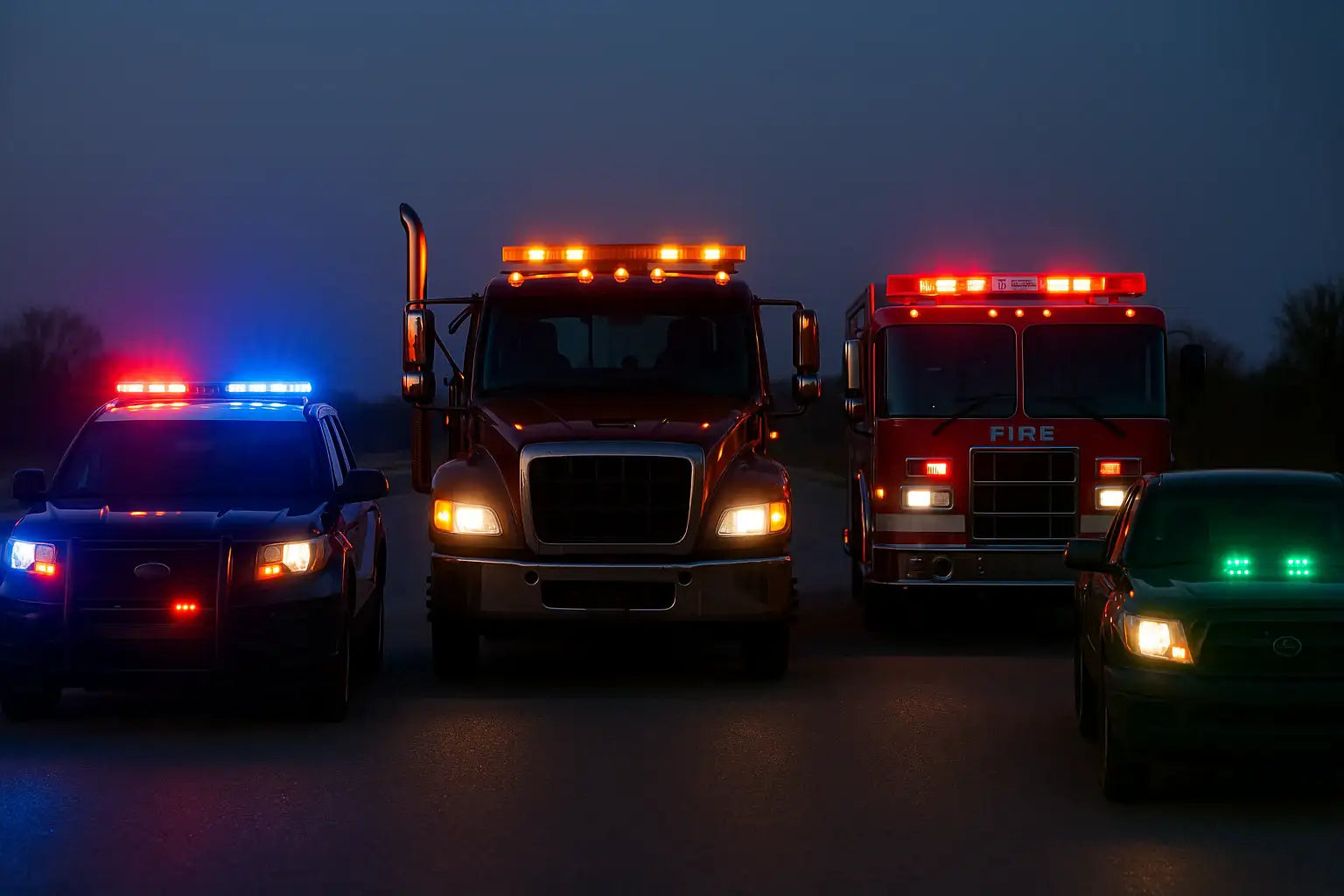
You need to know what standards apply to your province, your fleet policy, and your use case. That includes colour requirements, flash behaviour, and performance standards such as SAE classifications where applicable. A light bar that is fine for one type of work vehicle may be the wrong choice for another.
This matters for municipal fleets, contractors working under traffic control requirements, tow operators, and anyone outfitting vehicles for roadside duty. It also matters if you are trying to standardize across a fleet and avoid future replacement headaches.
If you are unsure, do not guess. Buying a non-compliant bar because it was cheap or available fast usually costs more once you factor in downtime, rework, and replacement.
Mounting can make or break the install
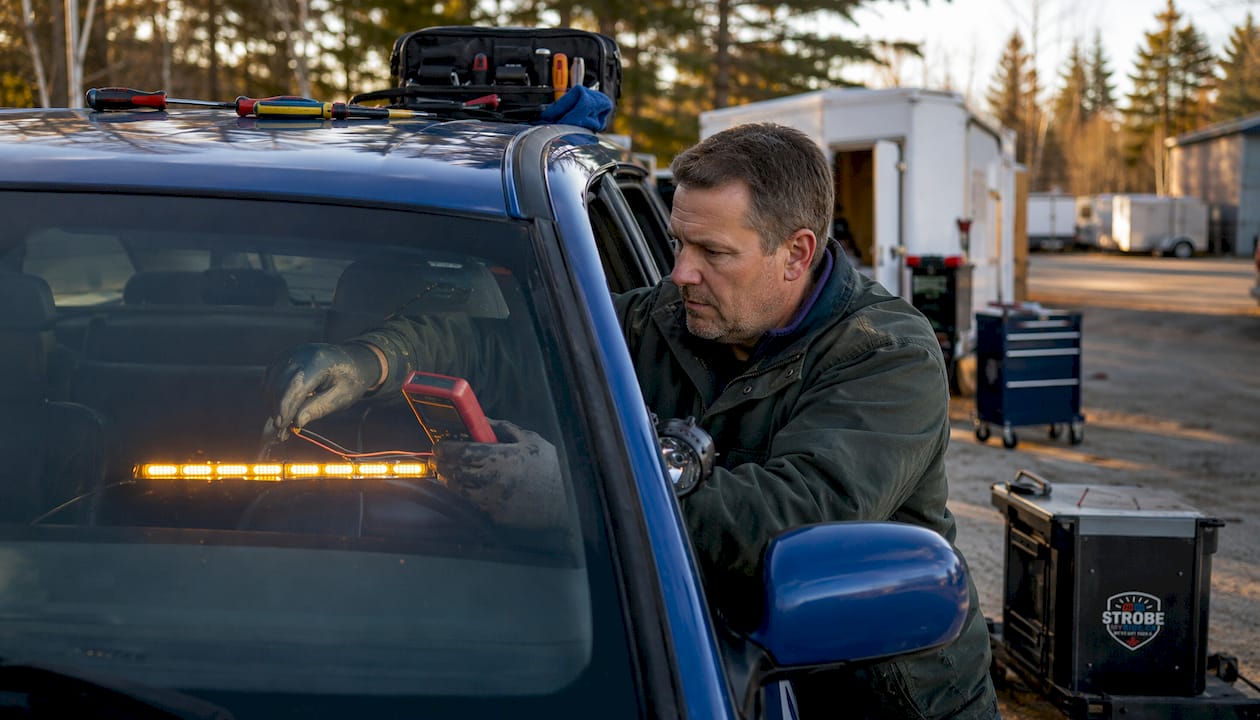
A quality light bar still fails the job if it is mounted poorly. Before you buy, think about how it will be installed and what the vehicle can support.
Permanent mounting gives the cleanest, most secure setup for hard-use vehicles. It is the right call for fleets that keep units in service long term and need maximum stability in rough conditions. Magnet-mounted or temporary options have their place, but they are not ideal for every-duty use, higher speeds, or harsh Canadian weather.
You also need to think about cable routing, controller placement, and whether the vehicle has a modern electrical system that needs a cleaner integration. Some installs are straightforward. Others involve headliners, airbags, roof ribs, existing upfit gear, and current draw planning. If the install is going into a working fleet vehicle, easy serviceability later matters almost as much as initial fit.
Weather resistance should be judged by Canadian reality
A light bar can claim to be weatherproof and still fail early in real service. Rain testing in a product sheet is not the same as surviving road salt, freeze-thaw cycles, pressure washing, and months of vibration on rough roads.
Look closely at housing quality, lens strength, sealing, hardware, and corrosion resistance. Cheap hardware rusts. Weak lenses haze or crack. Poor seals let condensation build up, and once moisture gets inside, output drops and reliability goes with it.
For Canadian buyers, winter matters. So does spring slush, summer UV, and wash-down exposure. If the bar is going on a plow truck, tow unit, highway service truck, or municipal fleet vehicle, build quality is not something to negotiate away.
Control options affect daily use
The bar itself gets most of the attention, but controls shape how useful the system is in the field. Some operators need simple on-off activation with a few flash patterns. Others need traffic advisor functions, directional warning, takedowns, alley lights, or scene lighting tied into a controller.
This is where buying too basic can backfire. If the vehicle may need rear directional traffic management later, it is cheaper to buy the right bar now than replace it later. On the other hand, overbuying features you will never use is just another form of waste.
Match the controls to the actual workflow. What does the driver need to do from the seat, in gloves, in the dark, under stress? That question usually leads to a better setup than shopping from a feature chart alone.
Price matters, but failure costs more
Every fleet has a budget. That is real. But there is a big difference between value pricing and bargain-bin lighting.
A cheaper bar can cost more if it fails during peak season, creates warranty headaches, or forces your shop to redo an install. Add in downtime, technician labour, replacement shipping, and the safety risk of weak warning performance, and the so-called savings disappear fast.
The smarter move is to buy the best light bar for the duty level of the vehicle. Not every truck needs the top-end package. But frontline units should not be running Amazon junk either. For serious roadside work, you want equipment built for real duty, backed by a supplier that understands compliance and can actually support the product after the sale.
How to choose a light bar without overbuying
There is a practical middle ground here. Not every unit needs a premium full-length bar with every option turned on. A site supervisor pickup, a parks vehicle, and a highway incident response truck all have different risk profiles.
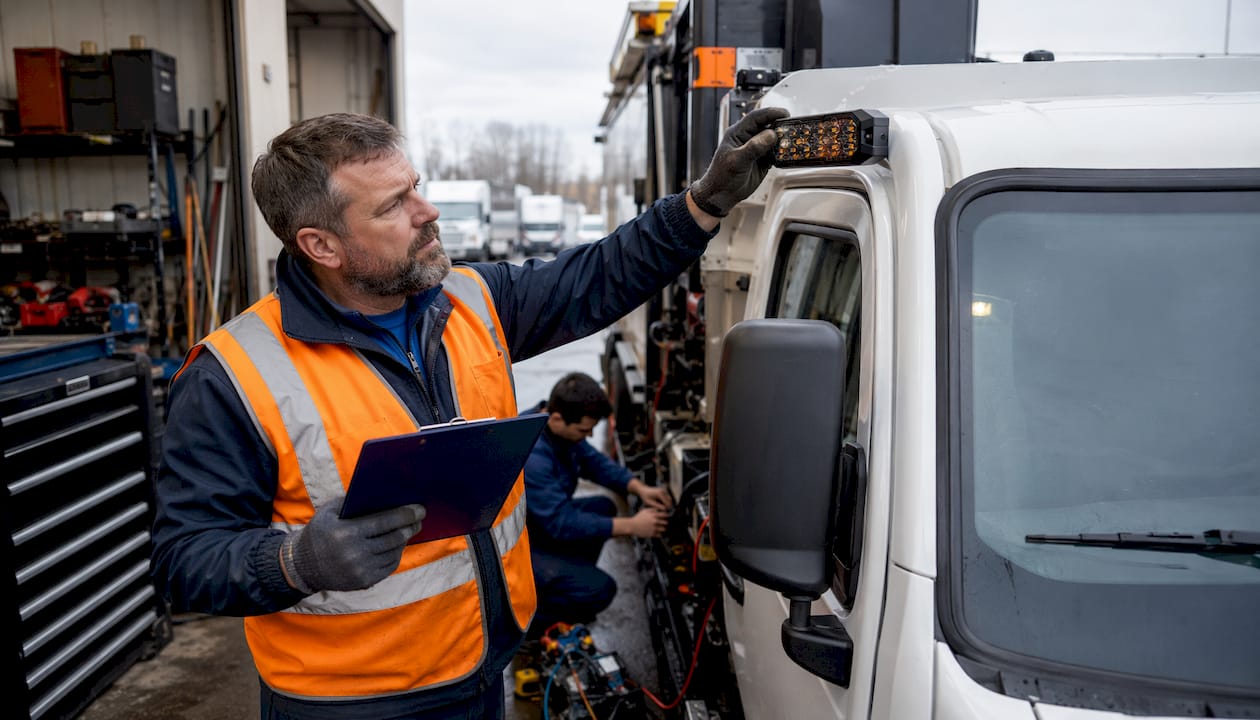
The cleanest way to buy is to group vehicles by role, then spec lighting to that role. Decide which units need maximum warning coverage, which need compact rooftop visibility, and which can rely on a simpler package supported by additional hideaways or surface mounts. That approach keeps spending controlled without weakening safety where it counts.
If you are buying for multiple units, consistency helps. Standardized bars, mounts, and controllers reduce installation confusion, simplify training, and make future replacement easier. That is one reason professional fleet buyers tend to work with suppliers who understand the job instead of just listing random products online.
At Strobe My Ride, that is the difference we care about - not selling the flashiest option, but helping buyers get the right warning setup for the vehicle, the work, and the conditions.
A light bar should earn its place the first time your driver is stopped in blowing snow, on a dark shoulder, with traffic coming hard. Buy for that moment, and the rest of the decision usually gets a lot clearer.