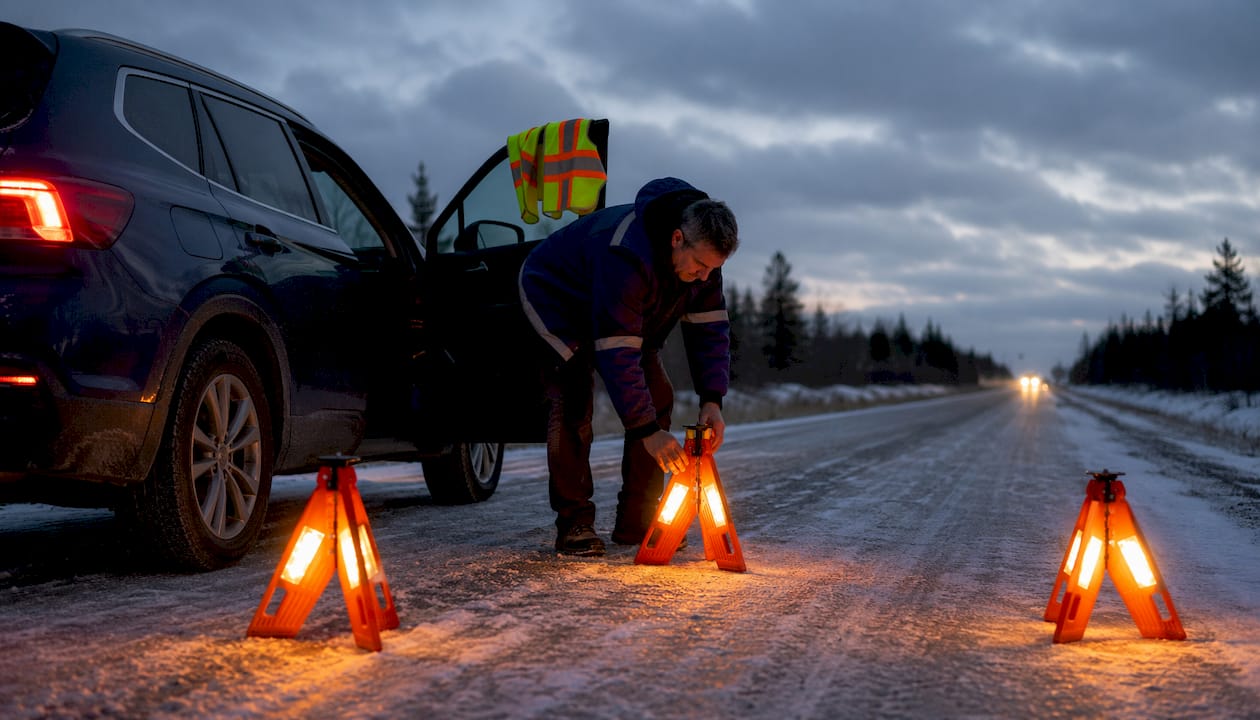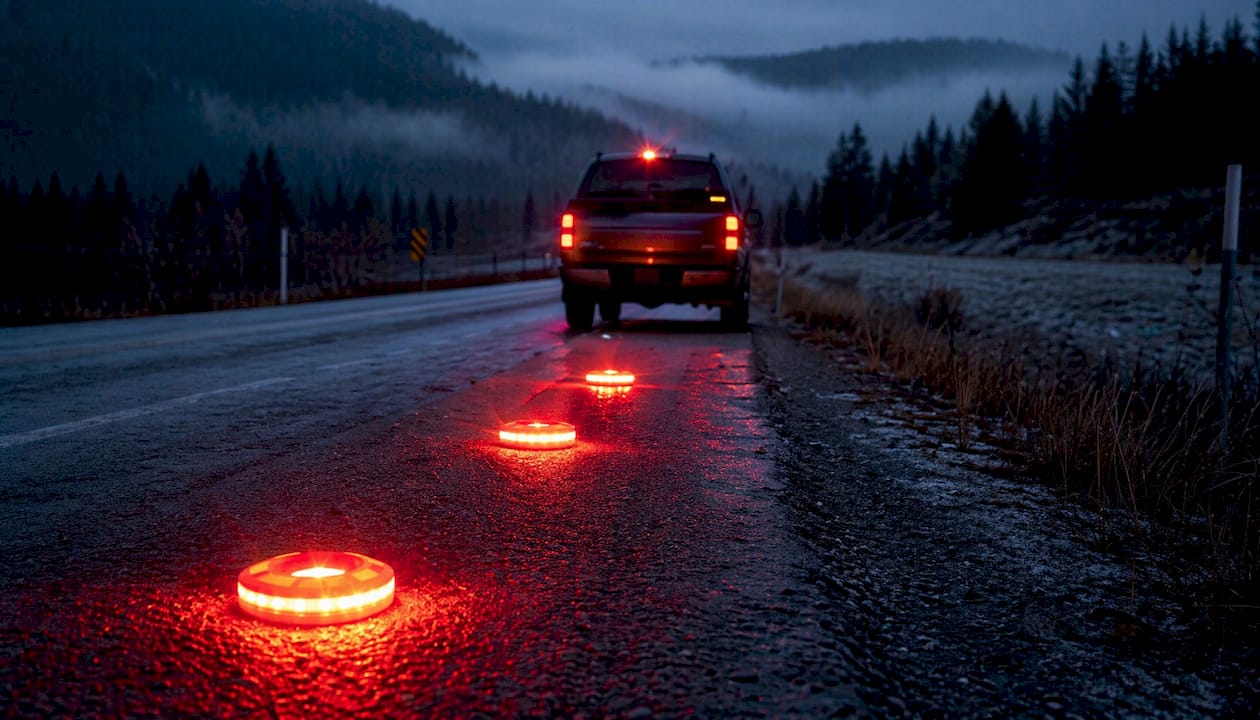

A cheap light bar usually looks fine in the shop. The problem shows up at 2 a.m. on a live shoulder, in freezing rain, with traffic blowing past and one of your trucks acting as the only warning between your crew and a bad day. That is where an SAE Class 1 light bar earns its keep.
For fleets, contractors, tow operators, municipal departments, and roadside crews, Class 1 is not a buzzword. It is a performance standard tied to warning light intensity. If you are outfitting vehicles that work in high-risk roadside environments, understanding that standard matters because brightness, placement, durability, and legal fit all work together. Buy the wrong bar and you can end up with poor visibility, short service life, wasted install time, or equipment that does not match the job.
What an SAE Class 1 light bar actually means
SAE refers to standards set by the Society of Automotive Engineers. When a warning light is rated SAE Class 1, it meets a higher intensity requirement than lower classes used for less demanding applications. In plain language, a Class 1 unit is built to put out the level of warning light commonly needed for emergency, municipal, utility, tow, road maintenance, and other active-duty work where vehicles are exposed to traffic.
That does not mean every Class 1 bar is identical. One model may be compact and low profile for a pickup or SUV, while another may be a full-size bar loaded with alley lights, takedowns, work lights, and traffic advisor functions. The SAE rating tells you the light output standard. It does not tell you everything about beam pattern, build quality, mounting system, wiring, weather sealing, or whether it is a good fit for your vehicle.
That is where buyers get tripped up. They see Class 1 on the spec sheet and assume the decision is done. It is not.
When an SAE Class 1 light bar makes sense
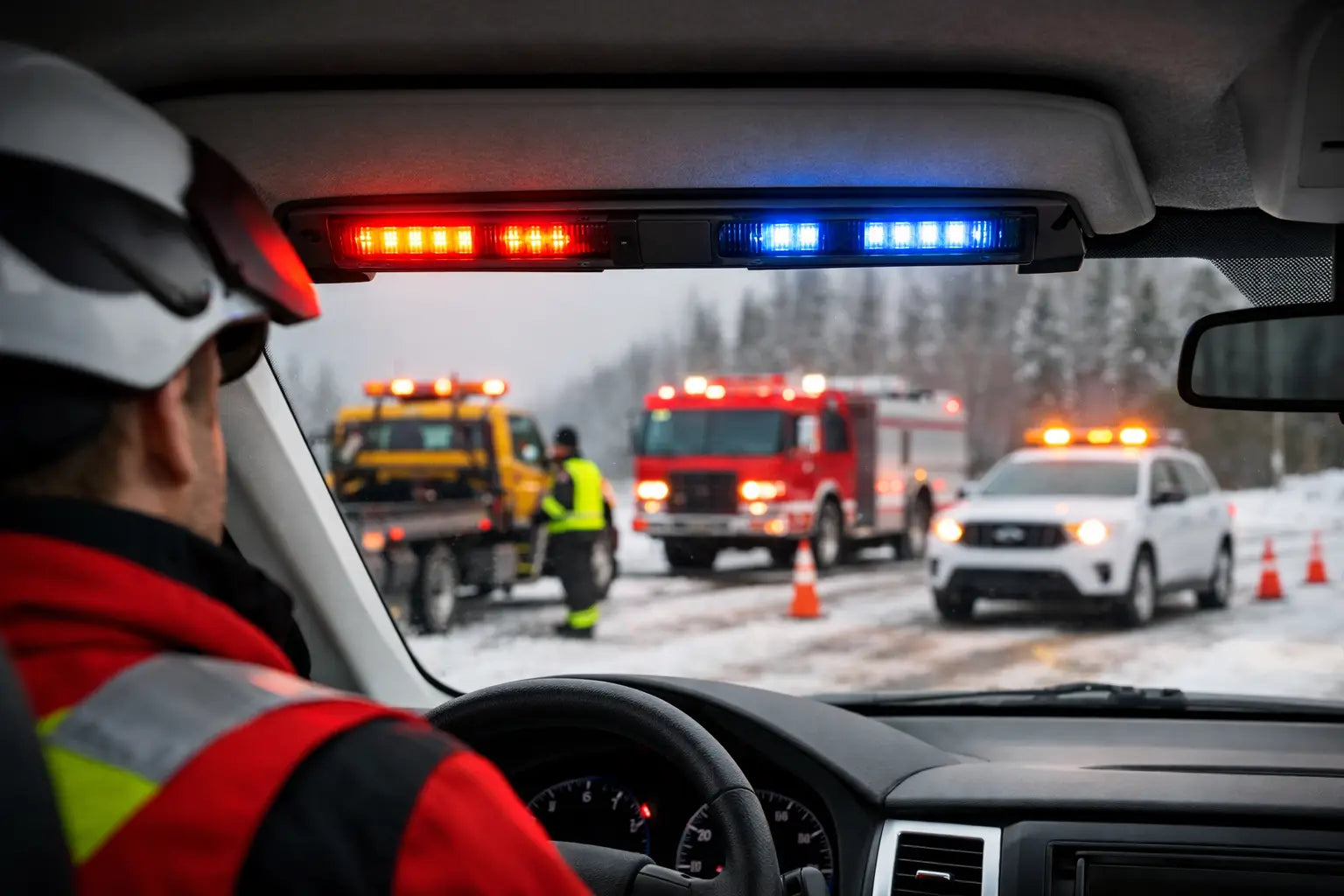
If your vehicle is operating on roadsides, in low visibility, around moving traffic, or in conditions where early driver recognition matters, Class 1 is usually the right starting point. Tow trucks, snow service units, pilot vehicles, municipal road crews, utility pickups, volunteer fire support vehicles, and traffic control units often fall into that category.
The reason is simple. You need enough warning output to cut through distance, weather, and visual clutter. Modern roads are full of competing light sources - headlights, LED signs, brake lamps, storefront lighting, and reflections off wet pavement. A weak bar can disappear into the background, especially at night and in bad weather.
That said, brighter is not always smarter in every direction. Some applications need strong 360-degree warning. Others need a more controlled setup that prioritizes rear warning, side intersection coverage, or forward-facing visibility without blinding oncoming traffic. A plow truck, for example, may need careful placement to avoid snow spray, roof gear, and glare issues. A tow truck running heavy roadside recoveries may need a full warning package, not just a roof bar.
SAE Class 1 light bar vs lower-grade lighting
There is a big difference between a real Class 1 warning bar and the kind of import lighting that gets sold on price alone. On paper, both may claim high lumen output. On the road, the gap shows up fast.
A proper Class 1 bar is engineered for warning performance, not just raw LED count. That means optical design, flash pattern effectiveness, lens clarity, and usable intensity from different angles. Good bars are also built for weather, vibration, salt, washdowns, and long duty cycles. That matters in Canada, where temperature swings and road grime punish cheap gear hard.
Lower-grade bars often fail in predictable ways. Mounts loosen up. Lens seals give out. Wiring is thin. Flash patterns look busy in a parking lot but wash out in rain or daylight. Replacement parts are hard to get, and support usually disappears once the box is opened. If your truck is a working asset, that kind of gamble costs more than the price difference.
What to look for in an SAE Class 1 light bar
Start with the vehicle and the job, not the catalogue. A half-ton pickup used for road service has different needs than a tandem plow, a tow truck, or a municipal fleet SUV. Roof size, headroom, rack systems, existing accessories, and power availability all affect what bar actually works.
Size and profile
A full-size light bar gives you more warning real estate and often more features, but it also adds wind resistance, noise, and clearance considerations. A low-profile bar can be a better fit for pickups, admin units, and vehicles that still need access to garages or tight spaces. If the truck spends all day on the highway, profile matters more than most buyers expect.
Mounting method
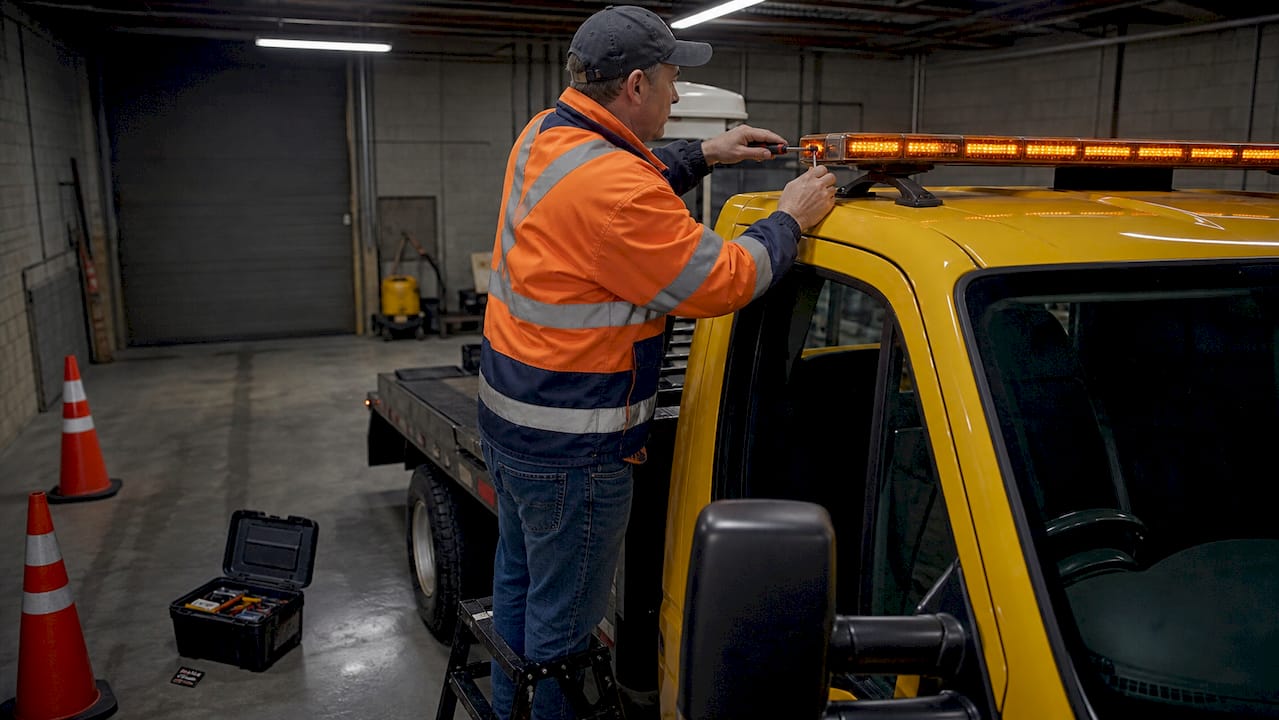
Permanent mount, adjustable feet, roof rack mount, and magnet mount are not interchangeable choices. For active-duty fleet use, permanent or secure mechanical mounting is usually the right call. Magnet bars have a place for temporary or occasional use, but they are not the first choice for serious daily service. If the vehicle sees speed, vibration, rough roads, or constant weather exposure, secure mounting wins.
Flash patterns and traffic control features
Warning output is the core job, but extra functions can save you from adding separate products. Many buyers want takedowns, alley lights, rear work lights, or built-in directional traffic advisor patterns. Those features can make a light bar more useful, especially for roadside operations, but only if the controls are practical and the wiring plan stays clean.
Build quality
Look at lens material, housing construction, weather sealing, cable quality, and connector integrity. Ask whether replacement parts and support are available. A bar that has to be replaced as a whole because of one failed component is not a bargain. Neither is a unit that leaves you chasing electrical issues during the busiest part of the season.
Compliance is not the whole buying decision
A lot of buyers focus on compliance labels because they do matter. But compliance alone does not tell you if the bar is right for your province, your fleet policy, or your operating environment.
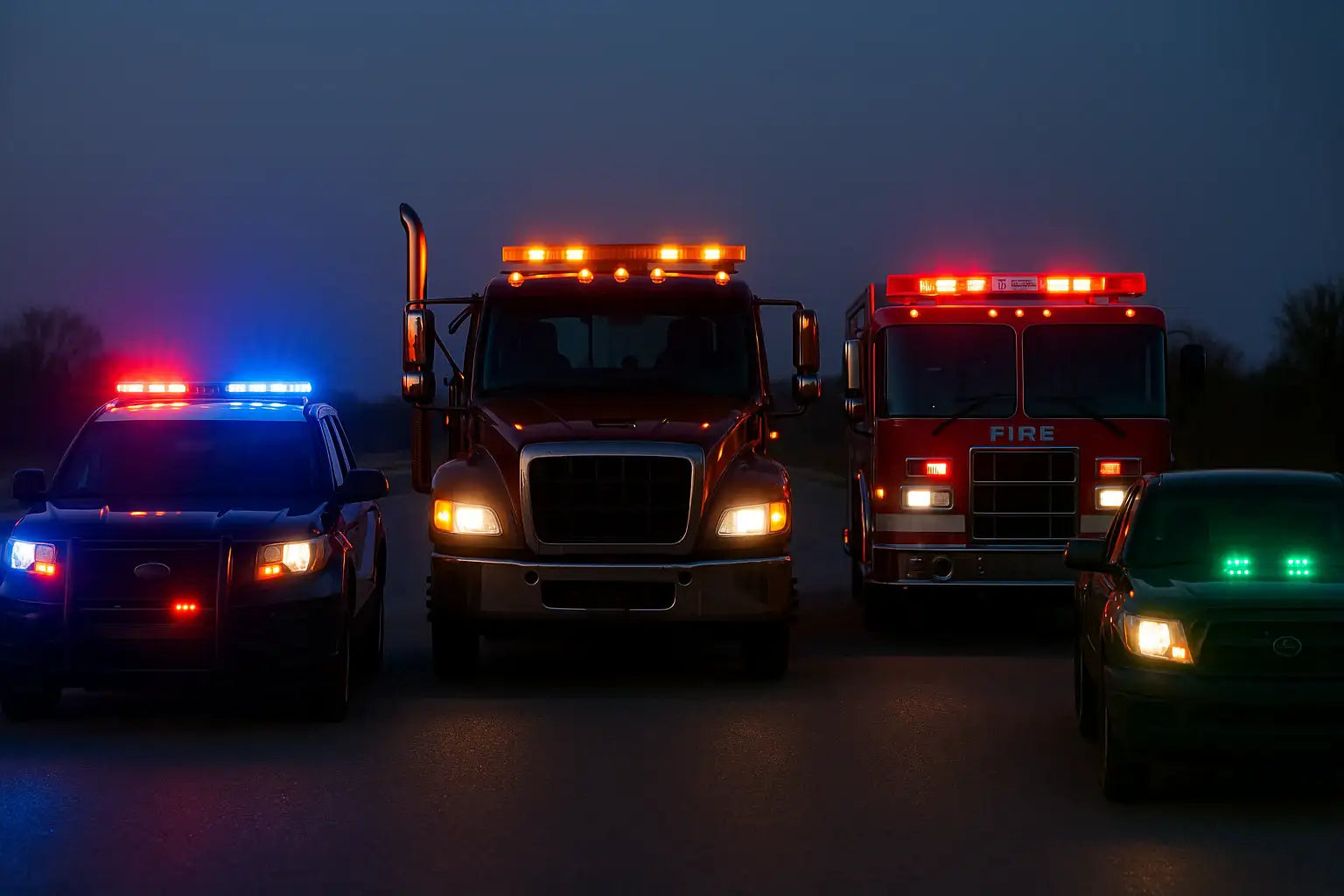
You still need to think about colour configuration, mounting location, switch control, and how the vehicle is being used. Different provinces, industries, and departments may have specific expectations around amber, blue, red, white, or green warning lights. Municipal and emergency-adjacent buyers already know this, but contractors and private operators sometimes assume one setup fits every application. It does not.
If you are running a mixed fleet, standardization also matters. Keeping similar control layouts, mounting methods, and replacement parts across units makes installs faster and driver training simpler. It also helps your shop when a vehicle goes down and needs a quick swap.
Why Canadian operating conditions change the equation
An SAE Class 1 light bar that works in a warm, dry climate is not automatically built for Canadian duty. Salt, slush, washboard roads, deep cold, and shoulder season moisture expose weaknesses quickly.
This is where product support and domestic stock start to matter just as much as spec sheets. If a truck is down in January and your replacement is stuck at the border, the cheapest online option becomes the most expensive one on your books. Fleet buyers know this. Installers know it even better.
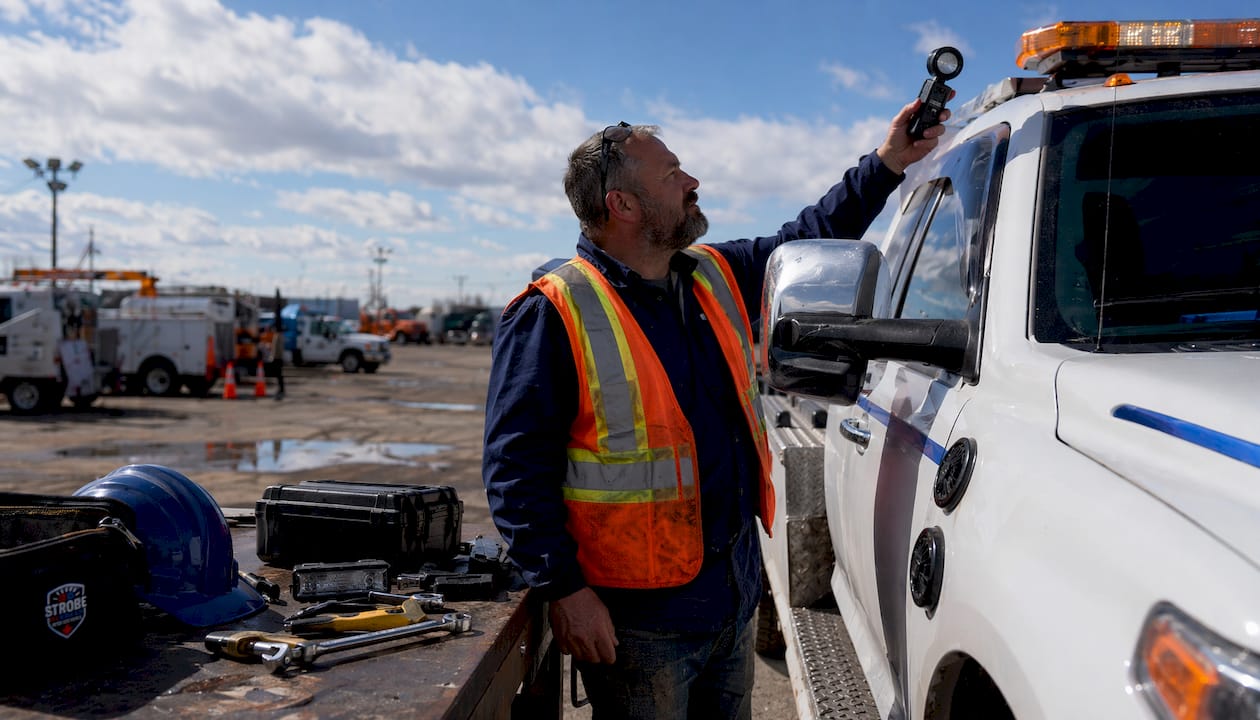
That is also why it pays to buy from a supplier that understands real roadside use, not just aftermarket accessories. Strobe My Ride built its reputation around professional-grade warning lighting that is stocked in Canada and meant for actual work, not parking-lot posing.
Common mistakes buyers make
One mistake is buying too small because the low-profile form factor looks clean. Clean is fine, but the bar still has to do the job. Another is overbuying features that never get used, adding cost and install complexity without improving safety.
A third mistake is treating the light bar as a standalone solution. On many vehicles, the best setup includes grille lights, hideaways, rear warning, or scene lighting to cover blind spots and improve visibility where the roof bar cannot do everything alone. If your crews work angled on roadsides or block lanes during service, rear and side coverage matter a lot.
Then there is the classic budget error - comparing products by sticker price only. For a work vehicle, the real cost includes install time, reliability, downtime, warranty support, and how long the unit stays in service before it needs replacement.
How to choose the right SAE Class 1 light bar
The right approach is boring, practical, and effective. Define the vehicle type, identify the work environment, confirm the required warning colours, and decide whether the bar needs added functions like takedowns or directional patterns. After that, match size, mount, and control system to the truck.
If the vehicle is on the roadside every day, lean toward proven duty-grade equipment. If it is part of a fleet, think about standardization and serviceability. If it is running in snow, salt, and long winter shifts, do not cheap out on housing quality and wiring.
Most of all, buy for the hazard, not for the photo. A proper SAE Class 1 light bar is there to get your vehicle seen early, clearly, and from the angles that matter when traffic is moving and visibility is bad. That is not a styling choice. It is part of your safety system.
The best light bar is the one your crew never has to think about because it just works, shift after shift, when the weather turns ugly and the road gets busy.