
Why Flash Frequency Matters for Warning Lights
Flash frequency — how fast a light flashes — dramatically affects how visible and readable your warning lights are. The right frequency helps drivers recognize your vehicle quickly and respond safely.
Here’s why flash frequency matters, especially on Canadian roads.
What Flash Frequency Is
Flash frequency is:
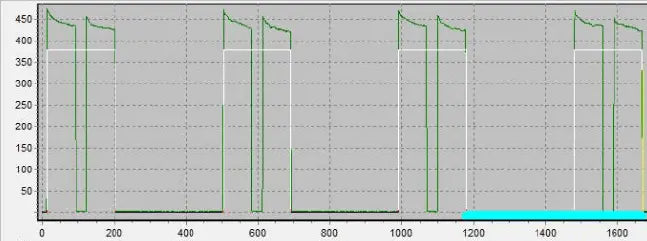
The number of flashes per second (or per minute) that a warning light produces.
Common patterns include:
-
Single flash
-
Double flash
-
Quad flash
-
Alternating patterns
Why Flash Frequency Is Important
Drivers interpret different flash speeds as:
-
Slow: caution
-
Medium: active work zone
-
Fast: urgent hazard
For work trucks, the goal is clarity, not intensity.
Canadian Conditions Amplify the Importance
Snowstorms, fog, rain and darkness can distort fast flashes.
Fast patterns can:
-
Look like a blur through snow
-
Cause glare
-
Reduce depth perception
-
Become uncomfortable for nearby workers
Medium-speed amber patterns tend to be most effective year-round.
Choosing the Right Flash Speed
Slow Flash
-
Gentle, professional
-
Good for low-speed work zones
Medium Flash (Most Common)
-
Ideal for plows, tow trucks, construction
-
Cuts through weather without glare
Fast Flash
-
Use sparingly
-
Can be overwhelming in rain/snow
-
Avoid all-white fast flashes
When Alternating Patterns Work Best
Alternating modules help in:
-
Lane closures
-
Wide vehicles (tow trucks, plows)
They create movement that is easier for drivers to interpret.
How Strobe My Ride Helps
We help fleets choose patterns that:
-
Improve safety
-
Meet contractor expectations
-
Reduce glare
-
Provide strong winter visibility
Be Seen. Be Safe.