How to Choose the Right Flash Pattern for Work Trucks
Flash patterns aren’t just visual effects — they influence how quickly other drivers notice your truck. Choosing the right pattern matters for safety, visibility and professionalism.
This guide explains how to choose flash patterns for Canadian work vehicles.
Note: This article is general information only and does not override provincial laws or employer policies.
Why Flash Patterns Matter
Different patterns create different visual cues:
-
Slow patterns = calm, controlled, professional
-
Medium patterns = high visibility without being overwhelming
-
Fast patterns = more attention grabbing but can be harsh in snow/fog
-
Directional patterns = guide traffic around your vehicle
The goal is to balance attention, clarity and comfort.
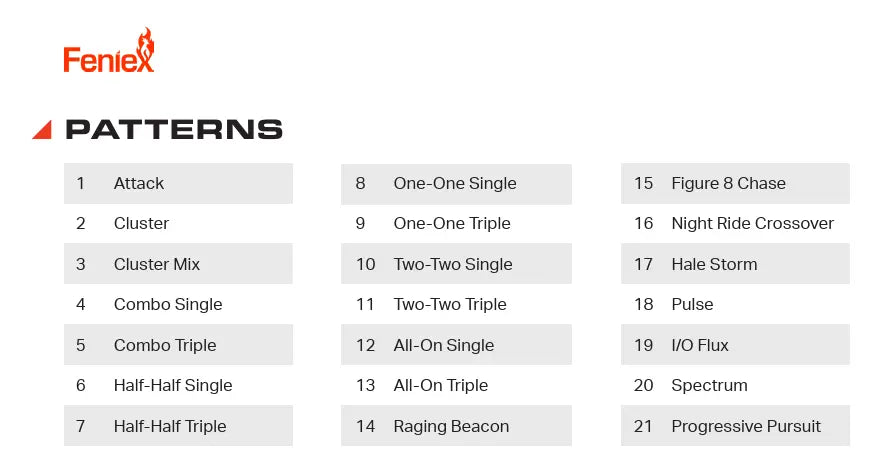
Common Flash Pattern Types
1. Single Flash (Slow or Medium)
Clean and professional. Often the best all-around pattern for:
-
Tow trucks
-
Construction vehicles
-
Utility trucks
-
Snow plows
2. Quad or Triple Flash
Provides strong visibility, especially in bright daylight.
3. Alternating Patterns
Common on:
These help create movement that catches the eye.
4. Directional Arrow / Traffic Patterns
Used when a truck is:
-
Closing a lane
-
Pushing traffic left or right
-
Operating on shoulders
5. Steady-Burn White Scene Lighting
Used for illumination, not warning.
Best Flash Patterns for Canadian Winter
Snow-relevant considerations:
-
Fast patterns may blur in blowing snow
-
Sharp white flashes can reflect off snow and reduce clarity
-
Amber single or quad tends to cut through winter weather effectively
For plows, tow trucks, and winter maintenance trucks:
Medium-speed amber patterns work best in heavy snow and low visibility.
Patterns to Avoid
-
Excessively fast flashes that cause glare
-
Random or strobe-like chaotic patterns
-
Patterns that may mimic emergency vehicle behaviour
-
All-white flashing patterns as primary warning signals
How Strobe My Ride Helps
We help fleets choose flash patterns that:
-
Match your environment
-
Fit contractor or municipal expectations
-
Reduce glare
-
Improve side and rear visibility
-
Maintain professional appearance
Be Seen. Be Safe.