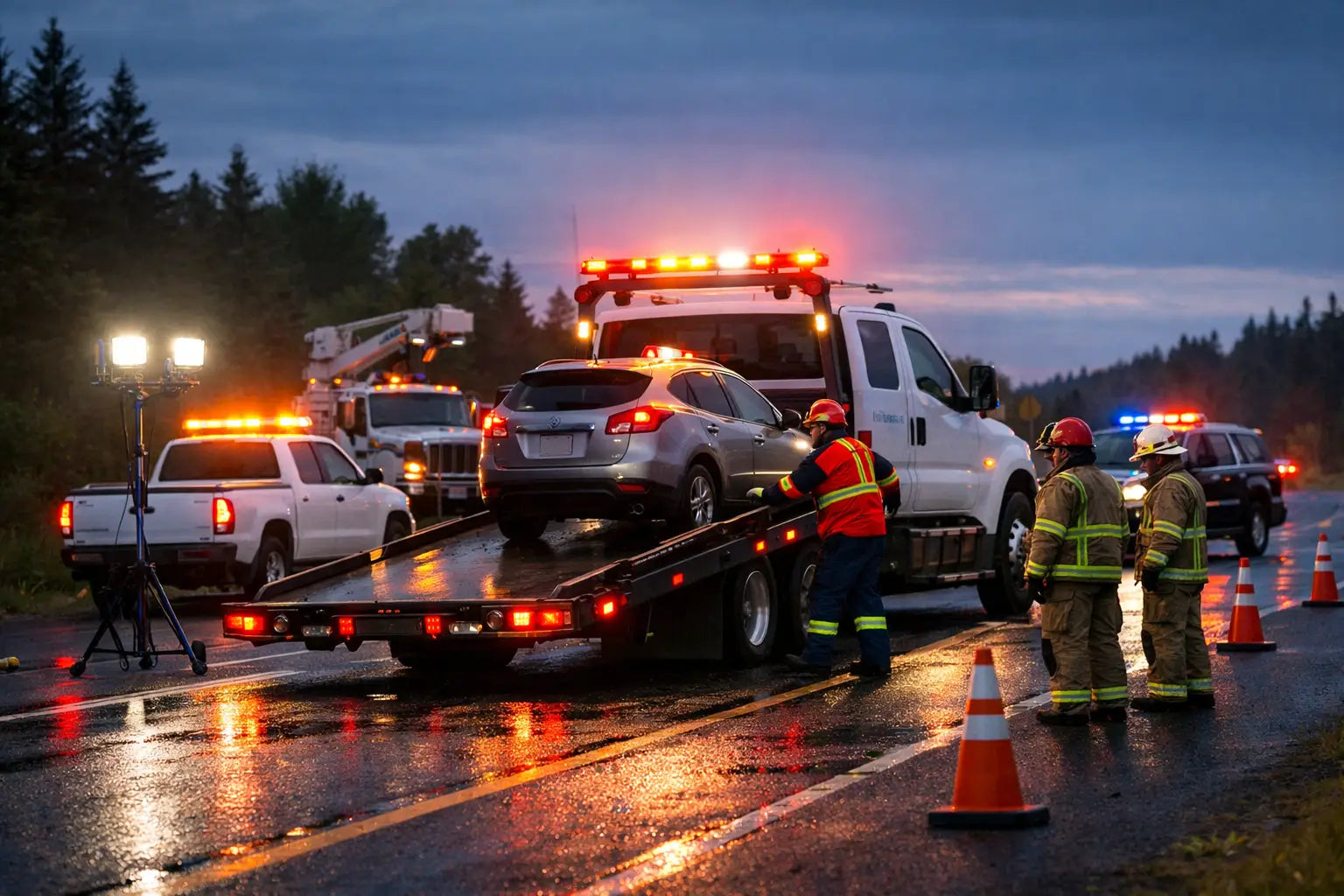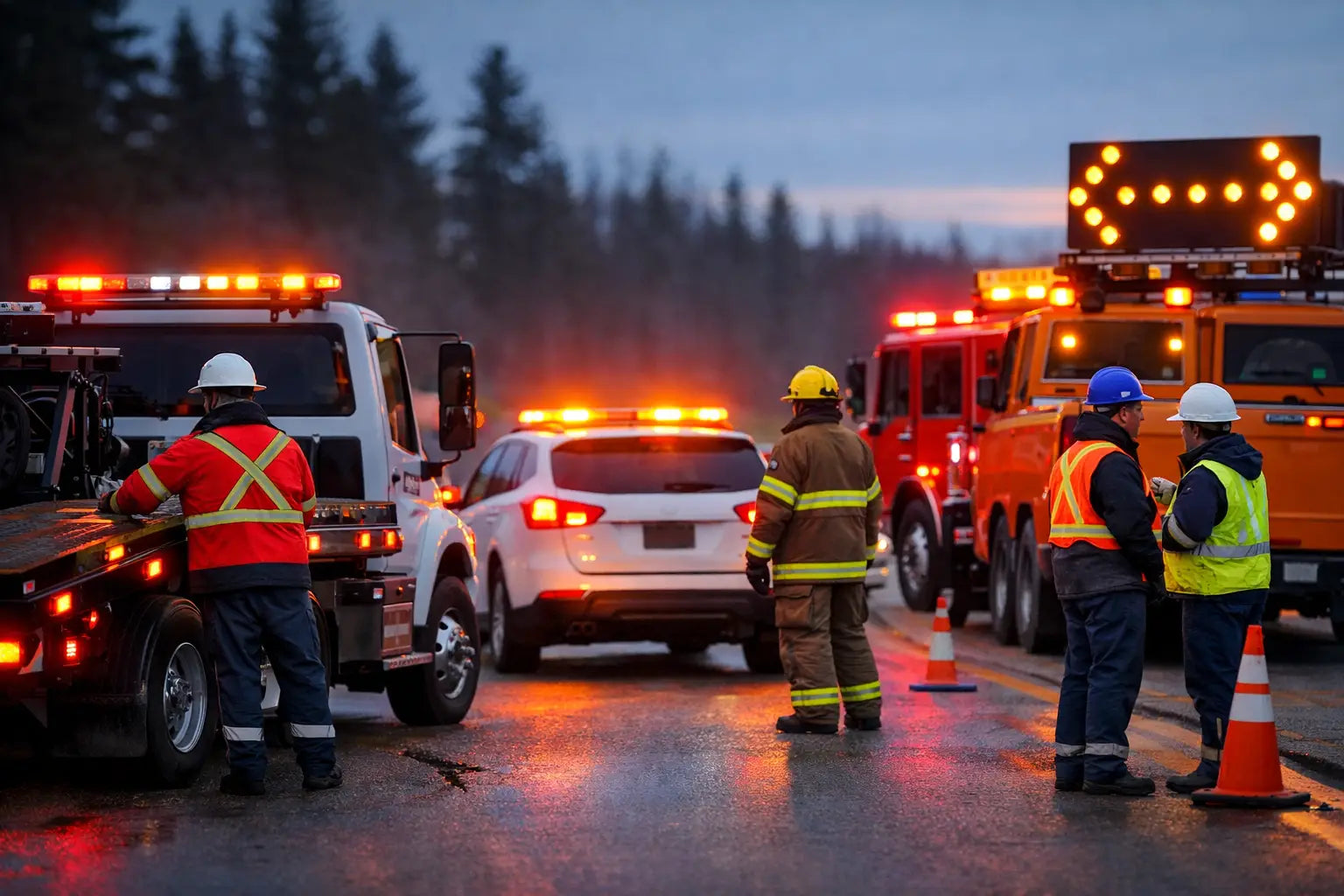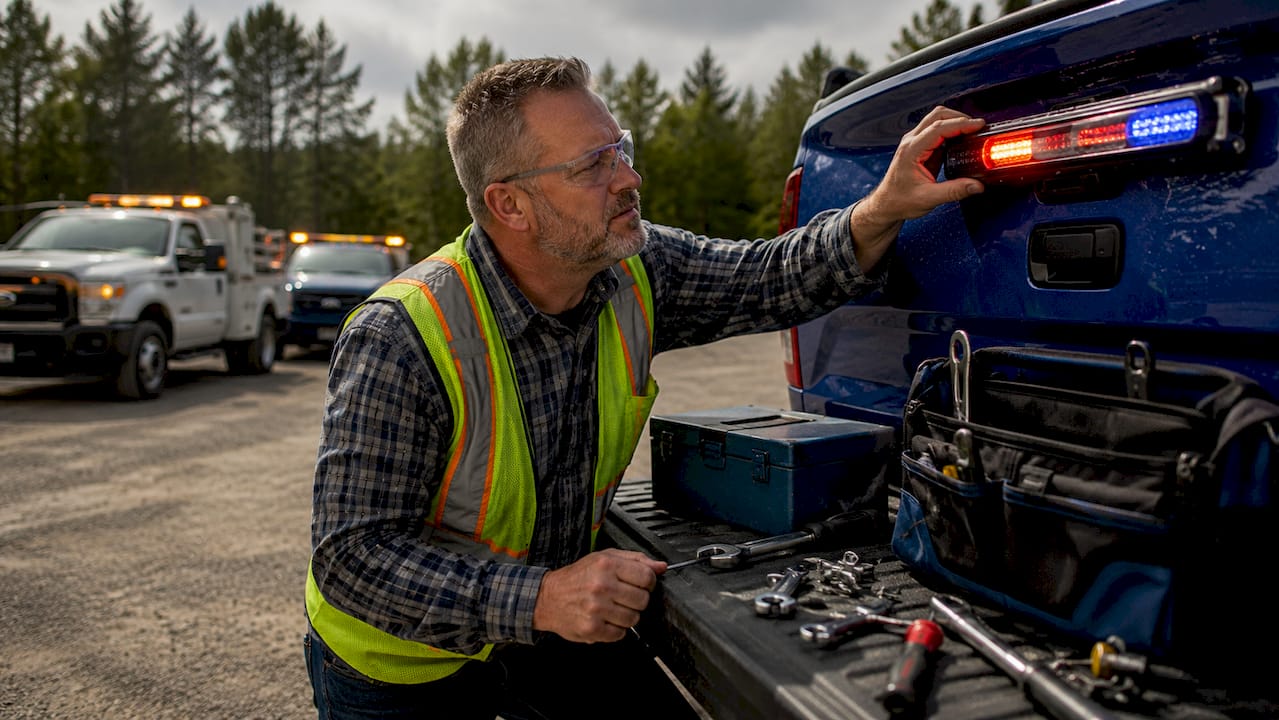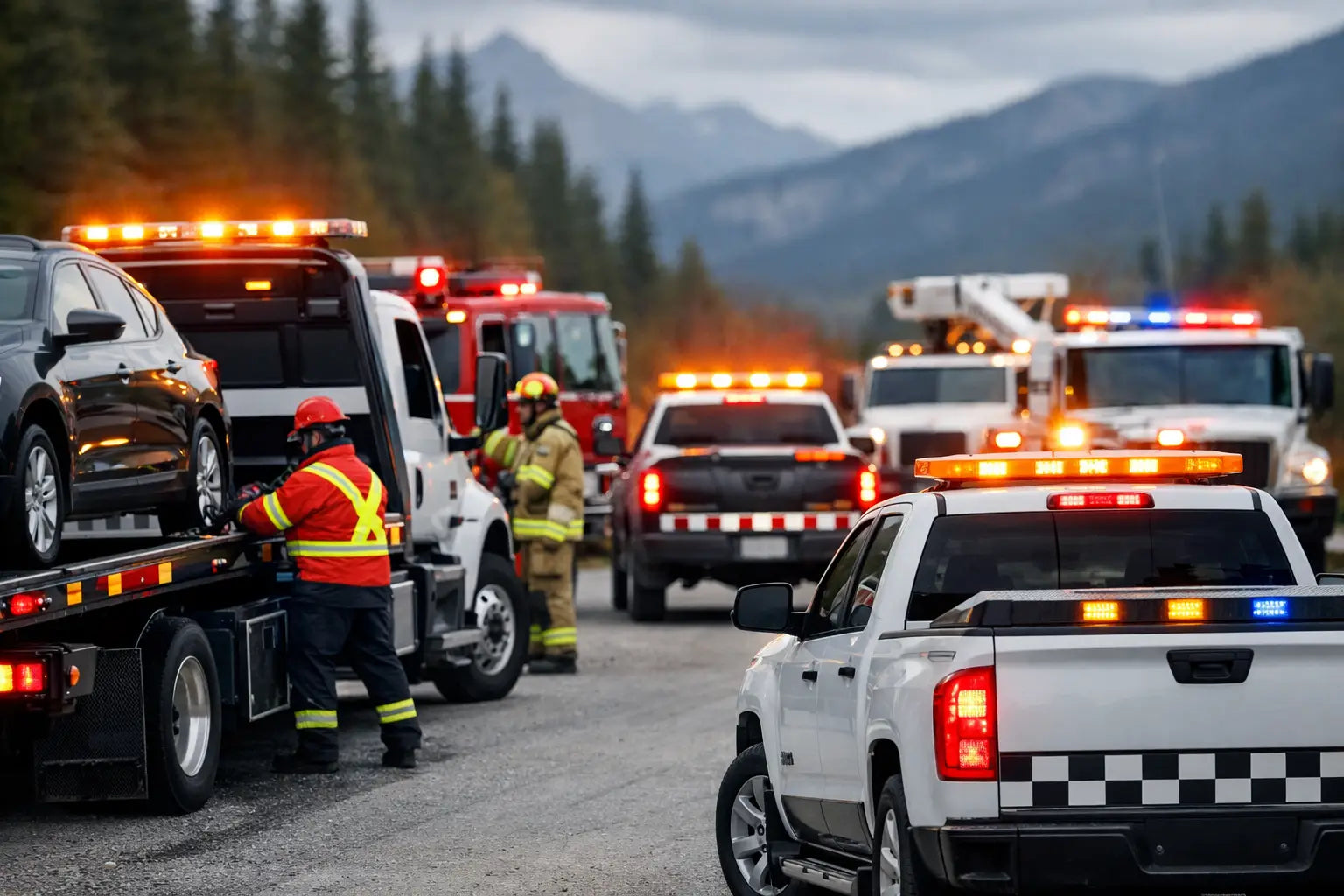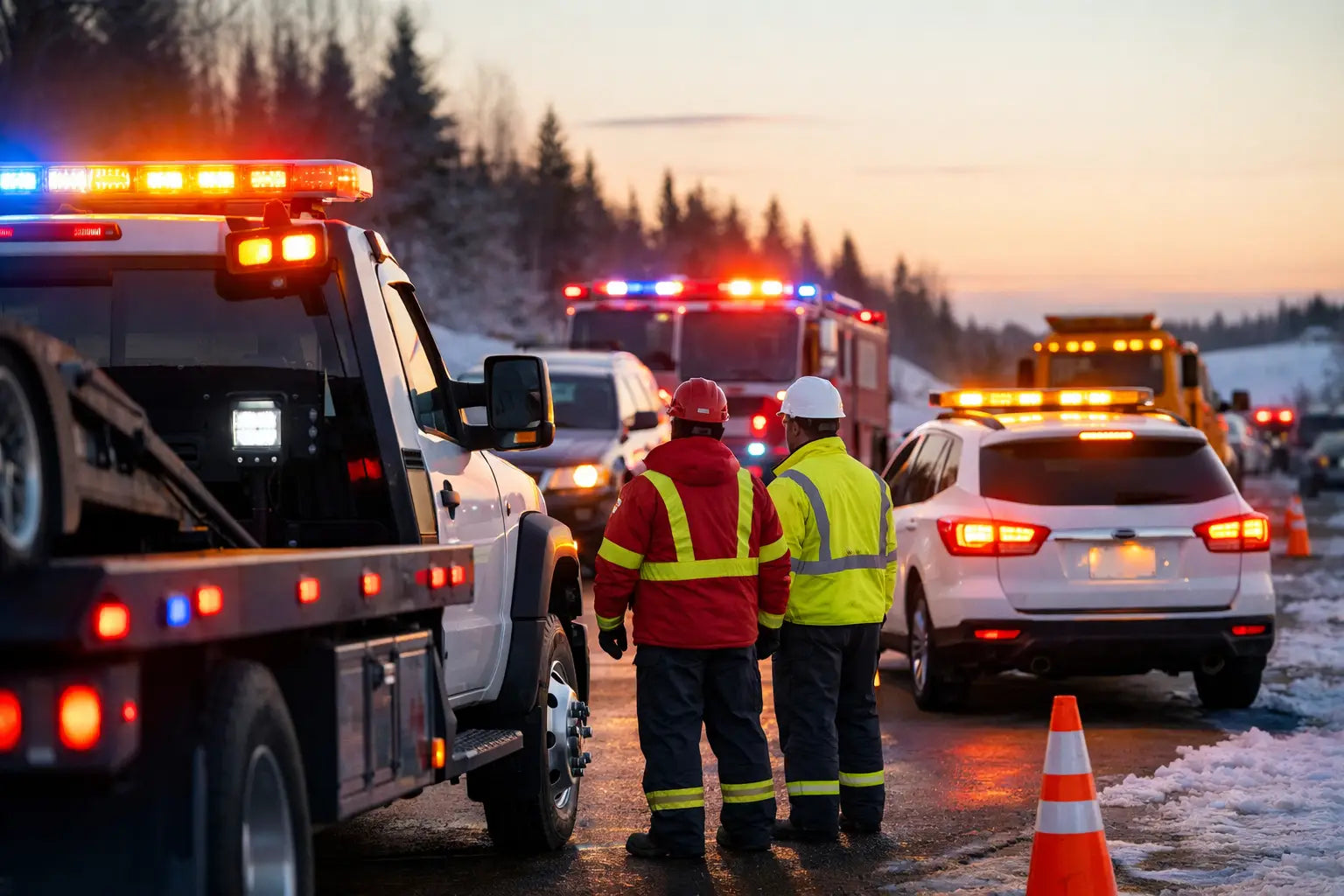

If you work the shoulder in poor weather, back into live traffic, or stop on a dark rural road, amber emergency lights for vehicles are not a cosmetic add-on. They are part of your visibility plan. Used properly, they help approaching drivers recognize that your vehicle is present, active, and part of a work or incident scene. Used poorly, they can create glare, get ignored, or leave critical angles unprotected.
That is the difference most buyers miss. The question is not just which light is brightest. The real question is which warning light setup fits the work, the vehicle, the mounting position, and the environment you operate in every day.
What amber emergency lights for vehicles are meant to do
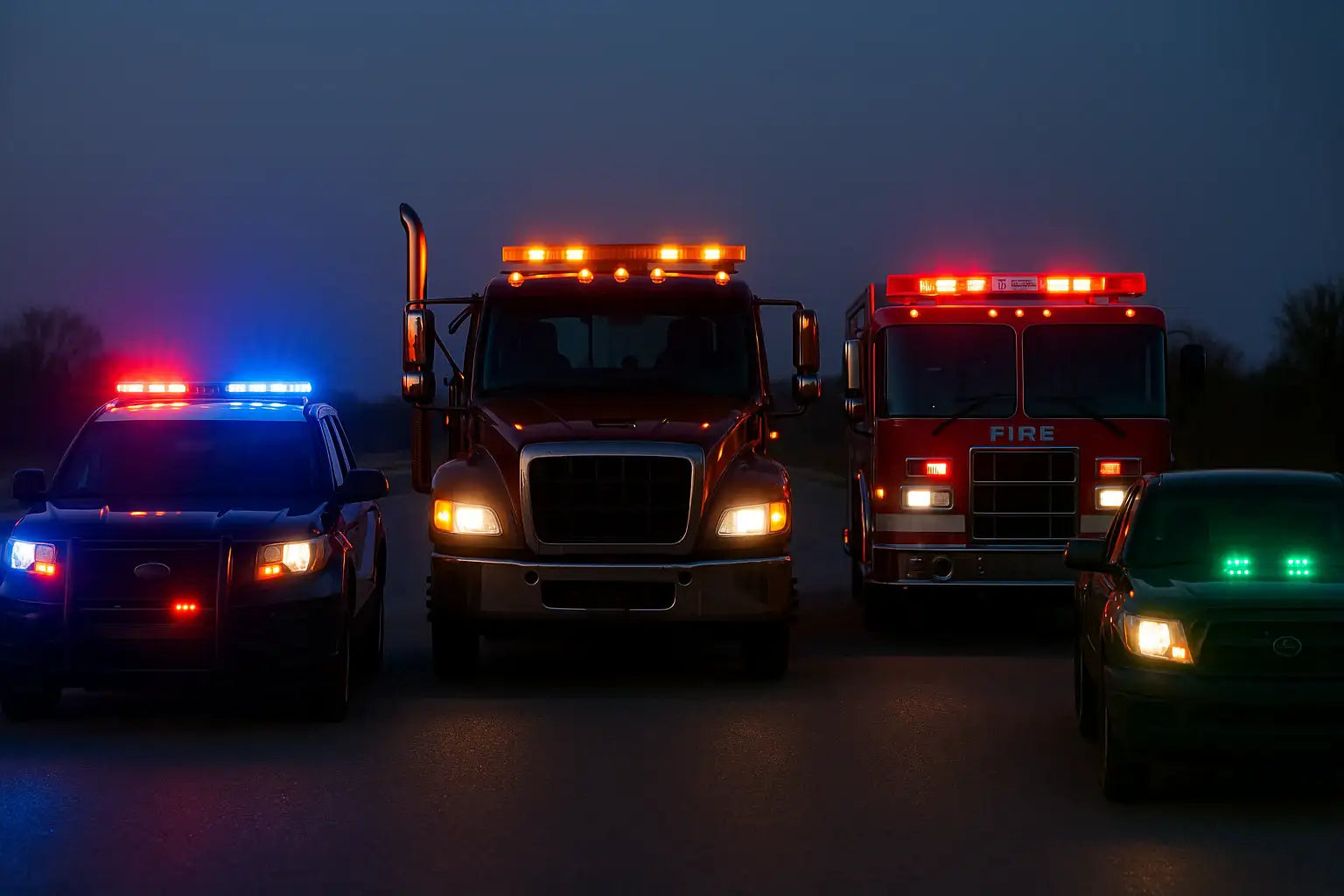
Amber warning lights are commonly used on tow trucks, pilot vehicles, construction units, utility fleets, snow and ice equipment, municipal service vehicles, roadside assistance units, and other non-police, non-fire applications where high visibility matters. Their job is to attract attention and communicate caution.
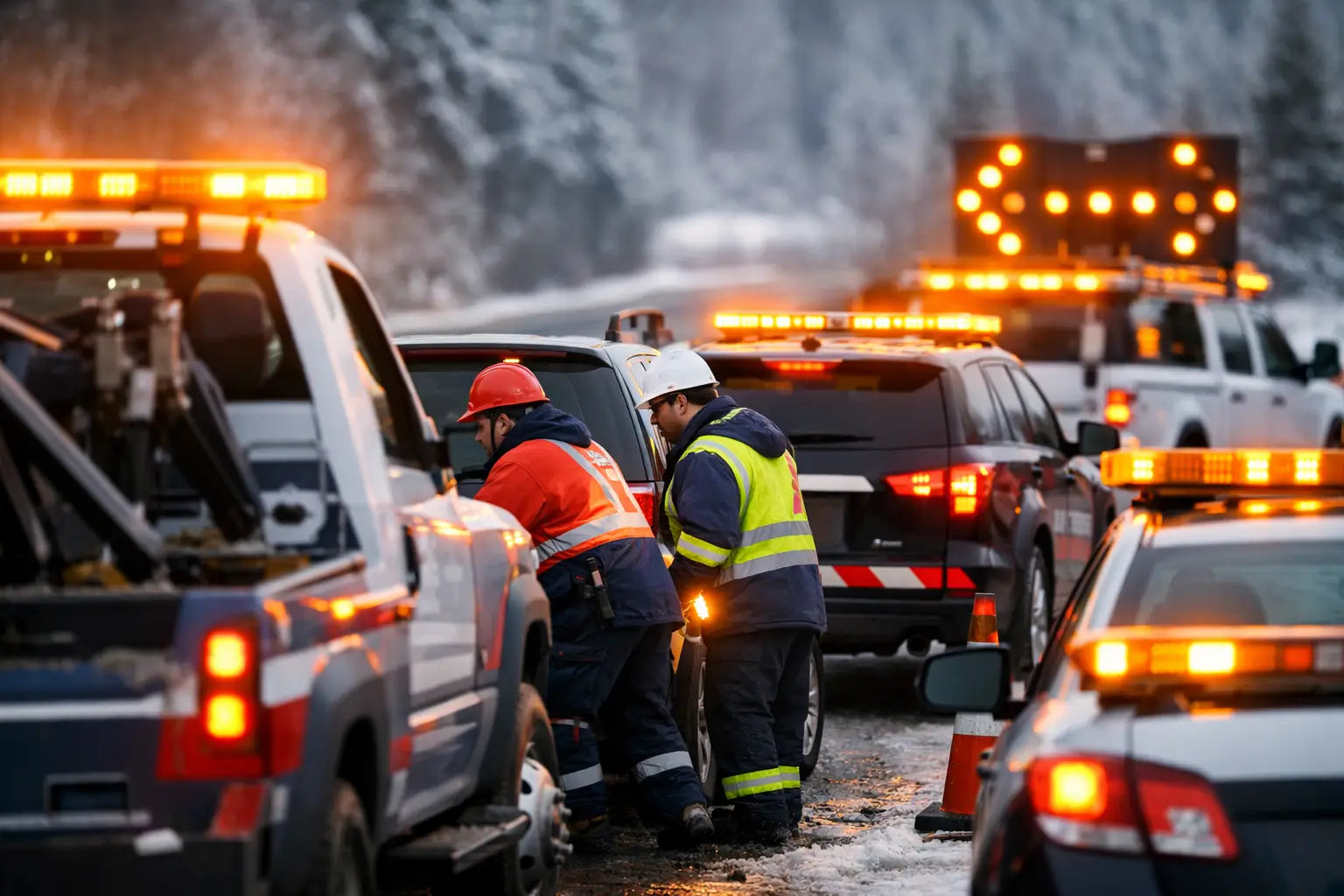
In the field, that matters most when a vehicle is stopped, slowing, reversing, loading, or working close to traffic. On a multi-lane highway, an amber beacon that can be seen from distance gives drivers more time to process what is ahead. In an urban setting, well-placed perimeter warning lights help at intersections, alley entries, and offset approach angles where a single roof light is not enough.
Amber is widely recognized as a caution colour, but that does not mean every amber light performs the same. Lens design, flash pattern, intensity, optical efficiency, mounting height, and synchronization all affect real-world visibility.
Why brightness alone is not the right buying standard
A lot of low-end lighting is sold on raw LED count or vague lumen claims. That tells you very little about how the light performs in daytime traffic, fog, snow, rain, or under headlight wash. Professional buyers should be looking at tested performance standards and application fit, not just marketing numbers.
For warning lights, SAE standards matter. Depending on the product category, you may see references such as SAE J595, SAE J845, or SAE J2498. Those standards help separate real warning equipment from generic import lighting that looks acceptable in a product photo but falls short on-road. If a unit is being considered for fleet use, that rating should be part of the conversation from the start.
That does not mean every vehicle needs the highest output option in every position. More light is not always better. A roof-mounted Class 1 lightbar may make sense for a tow truck running high-exposure calls on 400-series highways. The same setup could be excessive for a private property maintenance truck that rarely enters live traffic. Good specification is about matching output to risk.
Choosing the right type of amber warning light
The best setup usually combines more than one light type. A single beacon can work for some applications, but many fleets need full-vehicle conspicuity rather than one flashing point on the roof.
Lightbars for primary warning coverage
A full-size or mini lightbar is often the backbone of an amber warning package. It gives elevated 360-degree visibility and is usually the first thing approaching traffic notices. This is especially useful for tow operators, traffic control, highway maintenance, and utility crews working in variable environments.
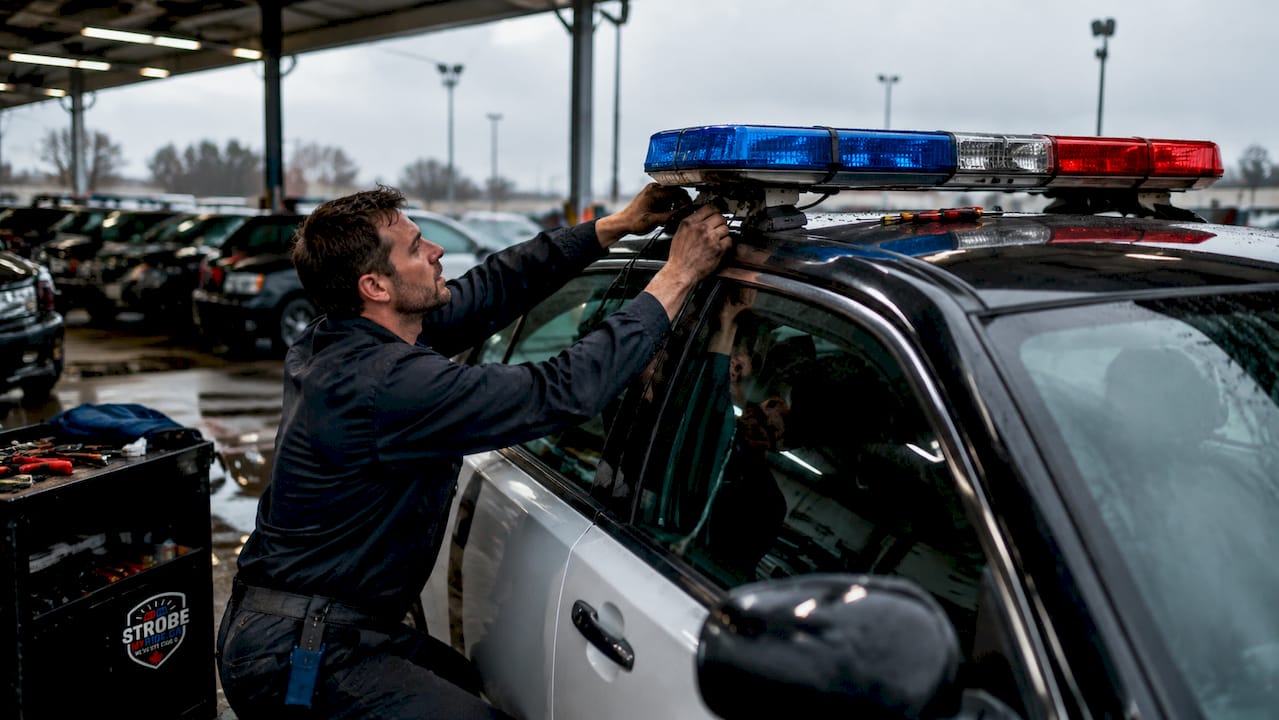
The trade-off is exposure and installation. Roof-mounted bars take weather, vibration, snow load, branches, and wash cycles. If the bar is going on a pickup that lives outdoors year-round, build quality matters. Polycarbonate quality, sealing, mounting hardware, and cable protection all affect service life.
Beacons for simple, durable warning
Beacons are a strong option when you need straightforward warning without a full bar. They suit plow trucks, compact service vehicles, tractors, and equipment that needs a highly visible roof signal but not a complex multi-module package.
Magnetic beacons can be useful for temporary use, but they are not ideal for every operation. Highway speed, weather, cable routing, and repeated removal all introduce risk. Permanent mount or vacuum-mount solutions are generally a better fit for serious use.
Surface mounts, hideaways, and grille lights for perimeter visibility
This is where many fleets improve performance. Surface mounts on the grille, rear corners, headache rack, tailgate area, or body sides help cover the angles a roof light misses. Hideaway LEDs can add warning without changing the vehicle profile much, which is useful for some municipal, utility, and fleet applications.
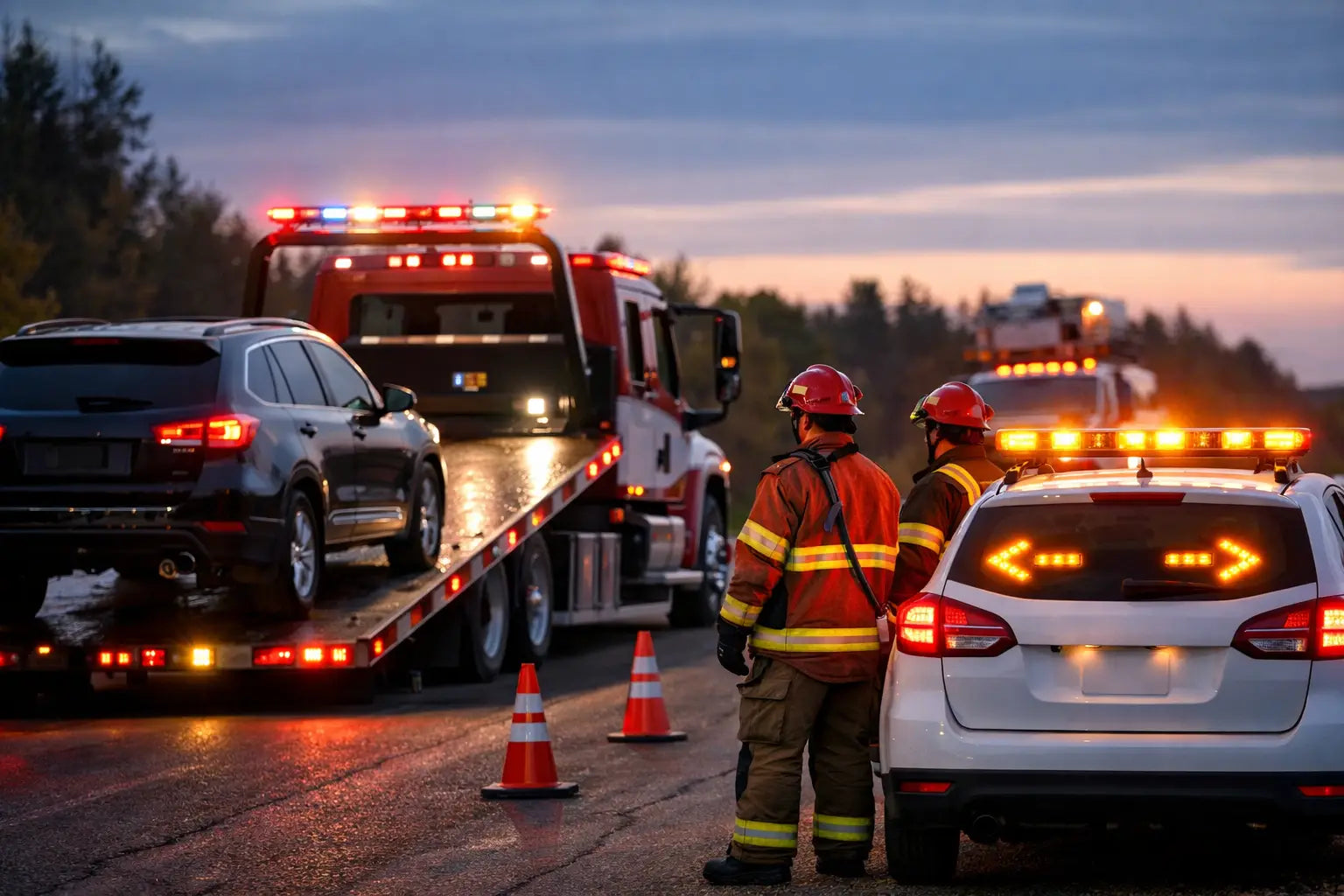
Rear warning deserves special attention. Many struck-by and near-miss risks happen at the back of the vehicle, especially during loading, recovery, cone deployment, or lane-edge work. A solid rear package often matters more than adding extra front flash.
Traffic advisors for directional messaging
If your crews routinely work on the shoulder or require lane guidance, a traffic advisor can add operational value beyond simple flash. Directional warning helps communicate merge-left, merge-right, or centre-out messages to approaching traffic. It is not a replacement for proper temporary traffic control, but in the right application it is a useful part of a broader safety setup.
How to spec amber emergency lights for vehicles properly
Start with the work, not the catalogue. Ask where the vehicle stops, how close workers are to moving traffic, what time of day it operates, and which angles are most exposed.
A tow truck running recoveries at night, in rain, on curved highway shoulders has different needs than a landscaping pickup entering parking lots. A pilot car escorting oversize loads needs long-range notice and highly recognizable warning from multiple angles. A municipal roads unit may need equipment that can handle salt, washdowns, vibration, and long service intervals.
Then look at mounting locations. Roof height affects range. Rear deck or hatch lights can be very effective on SUVs and service bodies. Grille lights work well for front approach warning, but they can get partially blocked depending on bumper design, winches, push bumpers, or active shutters. Side warning should not be ignored on trucks that work in lanes or on roadside shoulders.
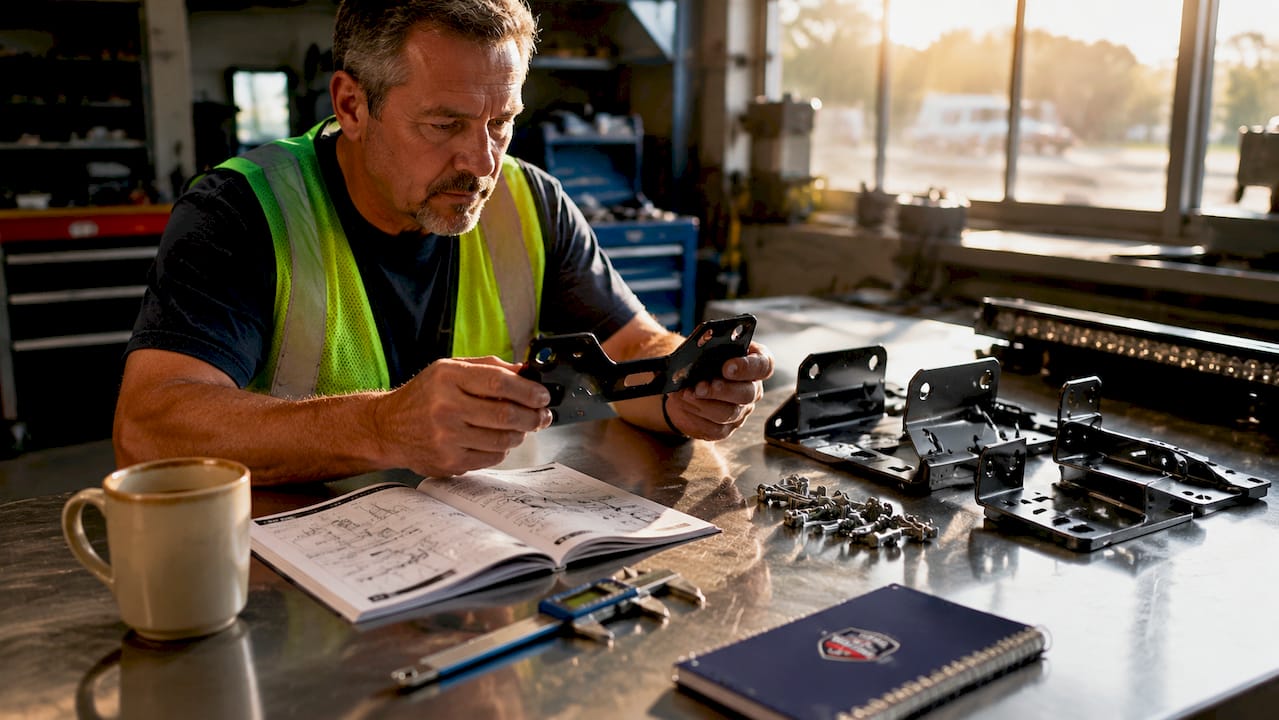
Power management also matters. If the system is going onto a modern fleet vehicle with multiple electronic systems, plan the wiring properly. Poor installs create failures that get blamed on the light when the real issue is voltage drop, weak grounds, bad switch placement, or poor weather sealing.
Compliance awareness and field reality
There is no single answer that covers every vehicle class and every jurisdiction. Colour use, flash patterns, mounting rules, and operational restrictions can vary. Buyers should verify applicable requirements before specifying a package for public-road use.
From an operational standpoint, though, some principles are consistent. Choose warning lights that are appropriate for the task, use recognized performance standards where available, and avoid creating unnecessary glare for your own operator or for traffic close behind. More flash patterns do not automatically mean better warning. In real service, simple and recognizable usually works better than chaotic.
Transport Canada requirements, provincial highway traffic rules, and work zone guidance all intersect with visibility planning, but warning lights are only one layer. High-visibility PPE, proper vehicle positioning, traffic control devices, reflective markings, and scene discipline still matter. Lighting supports a safe setup - it does not replace one.
Durability, service life, and total cost of ownership
Cheap warning lights are expensive once the truck goes to work. Water intrusion, faded lenses, broken mounts, noisy flash patterns on the radio, and early LED failure all create downtime. That is a problem when a vehicle earns its keep daily or when a volunteer unit must be ready when called.
Professional-grade lighting costs more upfront because it is built for vibration, weather, and sustained use. Better thermal management protects the LEDs. Better housings resist impact and UV damage. Better wiring and connectors reduce corrosion issues, especially in Canadian winter service.
Warranty should be read carefully, but do not stop there. Ask how the light is likely to age after two winters, a hundred wash cycles, and constant exposure to road salt. Ask whether replacement parts, mounts, and support are available. A low purchase price means very little if the product needs to be replaced twice during the life of the vehicle.
Common mistakes buyers make
The biggest mistake is under-lighting the rear of the vehicle. The second is buying mixed-quality products that do not integrate well. The third is treating warning lights as a stand-alone fix.
Another common issue is choosing a light based only on how it looks in a parking lot. Night testing is easy to impress. Daytime conspicuity in traffic is the real test. Fleets should think about beam punch, off-axis visibility, and how the package performs when the vehicle is dirty, partially loaded, or parked on an angle.
This is also where a practical supplier matters. A company that understands highway exposure, work zone visibility, and vehicle upfitting can help you avoid buying the wrong category of light in the first place. That matters more than flashy product names or inflated specs.
The right amber warning package is the one that fits the risk, the vehicle, and the job without wasting money on the wrong hardware. If your crews work around traffic, build the lighting system the same way you would build any other safety control - with clear purpose, proper coverage, and equipment built for real work.