

A beacon light that looks good in the yard but disappears in blowing snow or highway spray is worse than useless - it gives drivers a false sense of security. If you are comparing the best beacon lights for fleets, the real question is not which unit has the flashiest spec sheet. It is which light keeps your people seen, stays running through a Canadian winter, and does not create headaches for your shop six months from now.
For most fleets, beacon selection comes down to four things: visibility, durability, compliance, and fit for the job. Get those right and you protect workers, reduce downtime, and avoid wasting money on bargain-bin lighting that was never built for roadside duty.
What makes the best beacon lights for fleets?
Brightness matters, but raw output is only part of the story. A beacon has to cut through daylight, fog, snow, dust, and grime from real road work. Beam pattern, lens design, flash pattern, and mounting height all affect how well a light performs once the truck is actually on the road or parked on a shoulder.
Durability is where a lot of cheap imports fall apart. Fleet vehicles do not live easy lives. They idle for long hours, bounce through rough worksites, sit outside year-round, and get hit with salt, slush, washdowns, and vibration. A beacon that cannot handle shock, moisture, and temperature swings is not a deal - it is a replacement cycle.
Compliance also matters more than many buyers think. If your operation runs municipal vehicles, tow units, snow equipment, road service trucks, or contractor vehicles working around traffic, you need to pay attention to SAE ratings, local regulations, and the actual visibility standard required for the task. A low-cost beacon with no meaningful certification can create liability fast.
Then there is fit. The best beacon for a half-ton supervisor truck is not always the right choice for a plow, loader, highway service unit, or tow truck. Some vehicles need a compact low-profile beacon to clear garages. Others need a taller, more dominant warning point that can be seen over toolboxes, racks, or spreader bodies.
Beacon types and where they make sense
Permanent-mount beacons are usually the right answer for hard-working fleet vehicles. They give you a stable install, dependable power, and fewer opportunities for the light to shift, detach, or walk away. If a truck is in active service every day, a fixed mount normally beats a temporary setup.
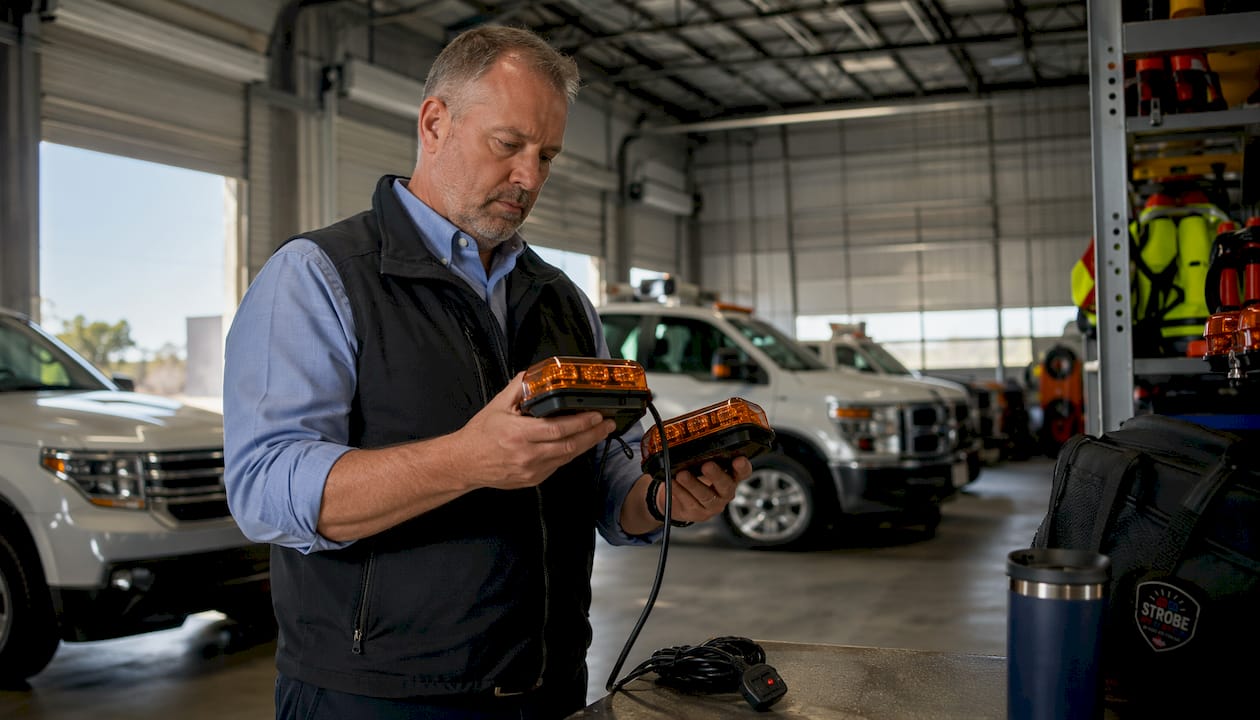
Magnetic-mount beacons have a place, but it depends on the vehicle and the work. They are useful for supervisors, seasonal operations, temporary deployments, or shared vehicles. The trade-off is obvious - convenience comes at the cost of long-term security. Magnets can move if the roof is dirty, curved, or wet, and cords can become a nuisance inside the cab.
Pipe-mount and pedestal-style beacons are common on vocational equipment where height improves visibility. That extra elevation can help on service bodies, utility units, and heavy equipment, but it also exposes the light to more abuse from branches, weather, and impact. If you go this route, build quality matters even more.
Low-profile LED beacons are now the default for many fleets because they reduce wind drag, clear structures more easily, and still deliver strong warning performance. The old rotating look still appeals to some operators, but modern LED beacons usually win on power draw, lifespan, maintenance, and flash control.
How to choose the right beacon for your fleet
Start with the operating environment, not the catalogue page. A tow truck working high-speed shoulders at night has different visibility demands than a private contractor moving around a closed site. A municipal plow dealing with whiteout conditions needs strong off-axis visibility and a housing that can survive brutal winter exposure.
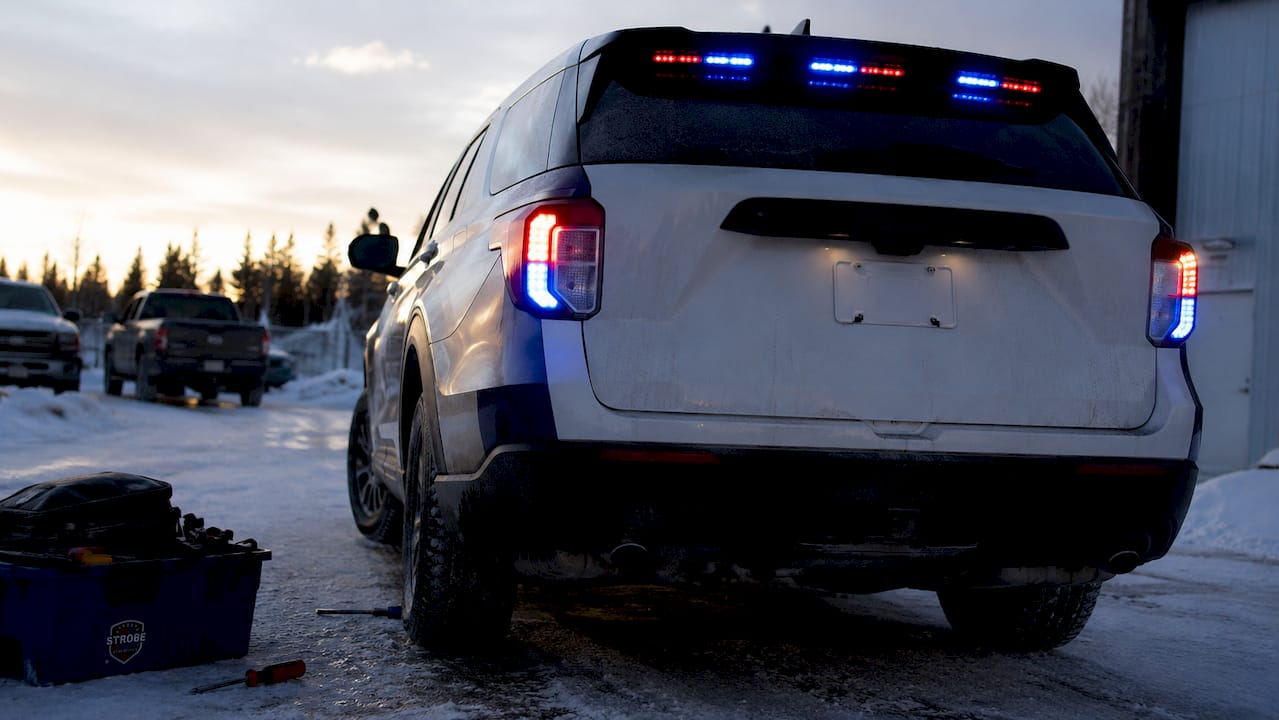
Think about where the vehicle is seen from. If most risk comes from rear approach traffic, a beacon alone may not be enough, especially on wider bodies or trucks with equipment blocking sightlines. In those cases, beacons work best as part of a larger warning package that may include mini bars, hideaways, surface mounts, or traffic advisors.
Power and switching should be considered early. Some fleets want a simple keyed power setup with one function and no fuss. Others need multi-pattern control tied into a master switch panel or work-light logic. The right beacon is not just bright - it integrates cleanly with how your trucks are actually used.
Maintenance matters too. Fleets should favour sealed LED units with proven resistance to water intrusion and vibration. A beacon that needs constant troubleshooting costs more than a better light bought once.
For municipal and road service fleets
These vehicles usually need high-output, professional-grade LED beacons with dependable daytime visibility and serious weather resistance. Snow, salt, long idle periods, and constant stop-and-go operation punish weak electronics. Look for Class 1 SAE-rated options where the application calls for it, along with sturdy bases and lens materials that hold up to repeated washing and cold-weather abuse.
For contractors and private fleets
If your trucks work around traffic but do not spend every hour on active highways, a mid-sized LED beacon can be the sweet spot. You still want commercial-grade construction, but you may not need the most aggressive output in every case. This is where value matters - not cheap gear, but the best performance you can get without overbuying for a lower-risk application.
For supervisors and seasonal vehicles
Temporary or magnetic units can make sense here, especially when vehicles rotate between duties. Just be honest about the environment. If the truck is regularly running highway speeds in poor weather, a temporary beacon should be treated as a compromise, not a first choice.
Features worth paying for - and features that are mostly noise
A solid flash pattern selection is useful, but fleets do not need fifty patterns just because the box says so. What matters is having effective, legal, attention-getting patterns that are easy to set and consistent across the fleet. Too much variation from truck to truck can create confusion for operators and installers.
Dual-voltage capability is helpful for mixed fleets with light-duty and heavy equipment. Good ingress protection is not optional. Neither is a housing that can handle vibration without loosening up over time.
What tends to be overrated? Fancy styling, consumer-grade remote controls, and exaggerated lumen claims with no meaningful compliance behind them. If a beacon is marketed more like a toy than a piece of safety equipment, that tells you a lot.
The biggest mistakes fleet buyers make
The first mistake is shopping by price alone. Saving a few dollars per unit disappears fast when lights fail early, drivers complain about poor visibility, or your shop has to keep redoing installs. Fleets should buy for total cost of service, not just the invoice.
The second mistake is treating every vehicle the same. Standardization is good, but only when the product actually suits the application. A one-size-fits-all beacon strategy often leaves some units under-equipped and others overspent.
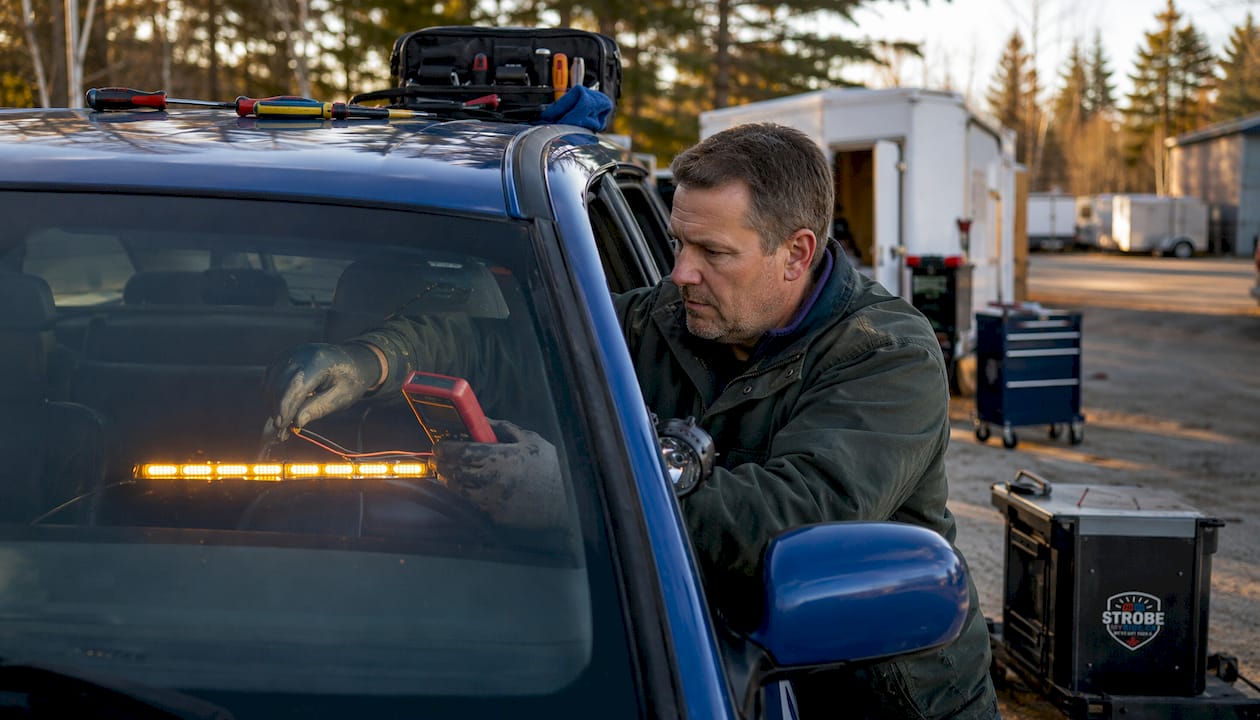
The third mistake is ignoring mount quality and wiring. Even the best beacon lights for fleets can underperform if they are mounted poorly, fed by weak wiring, or installed where equipment blocks output. A good light needs a good install.
The fourth mistake is choosing novelty-grade gear because it is easy to get online. A lot of it looks acceptable in photos and fails badly in the field. Canadian fleets need lighting built for actual roadside work, not Amazon junk dressed up with inflated specs.
When a beacon is enough - and when it is not
A single beacon can be the right solution for some service pickups, site vehicles, and lower-risk operations where 360-degree identification is the main goal. It is simple, cost-effective, and easy for drivers to use.
But if the vehicle works live traffic lanes, high-speed roads, or complex roadside scenes, a beacon may only be one part of the answer. Wider warning coverage, directional signalling, and rear-focused visibility often become just as important as the roof light itself. That is where experienced fleet buyers step back and look at the whole warning package instead of trying to make one beacon do everything.
For Canadian fleet operators, the smartest buy is usually the beacon that matches the duty cycle, meets the right compliance level, and survives real weather without constant babysitting. That is the standard serious suppliers like Strobe My Ride are built around - gear that is meant to work, not just look bright on a product page.
The right beacon light does not need a sales pitch once it is on the truck. It shows up in fewer failures, better visibility, and one less thing for your crew to worry about when the weather turns bad and traffic is moving too fast.