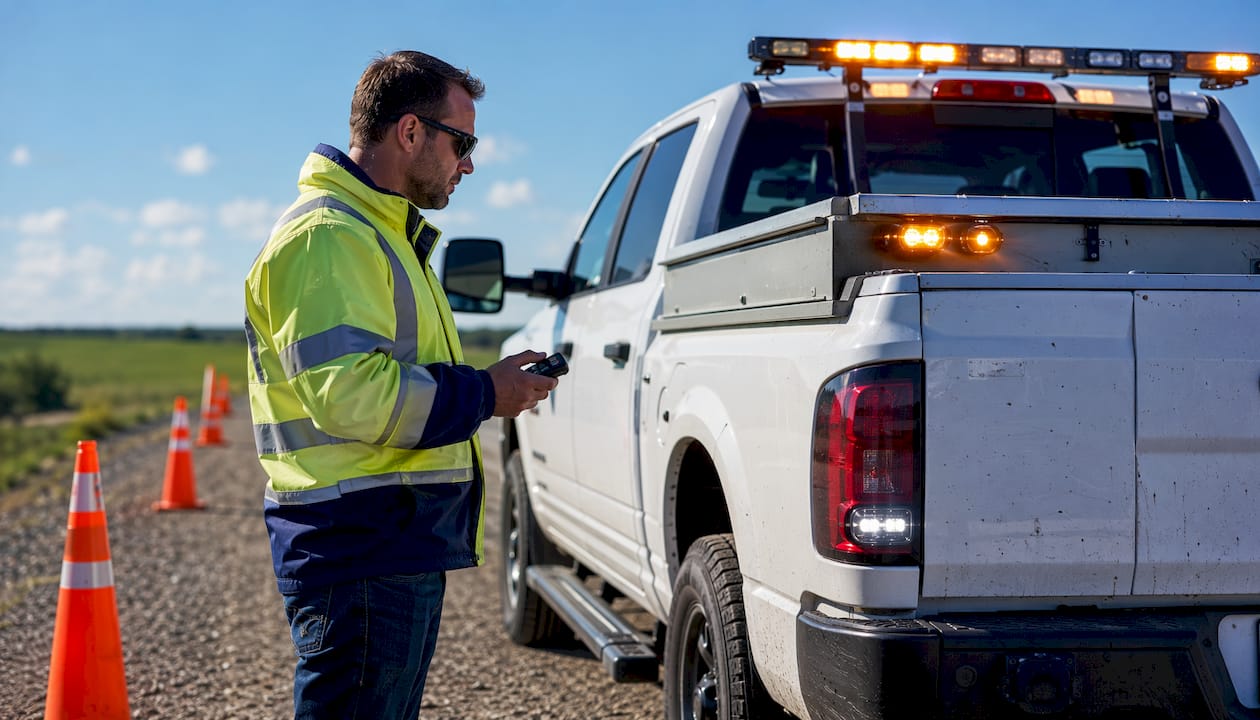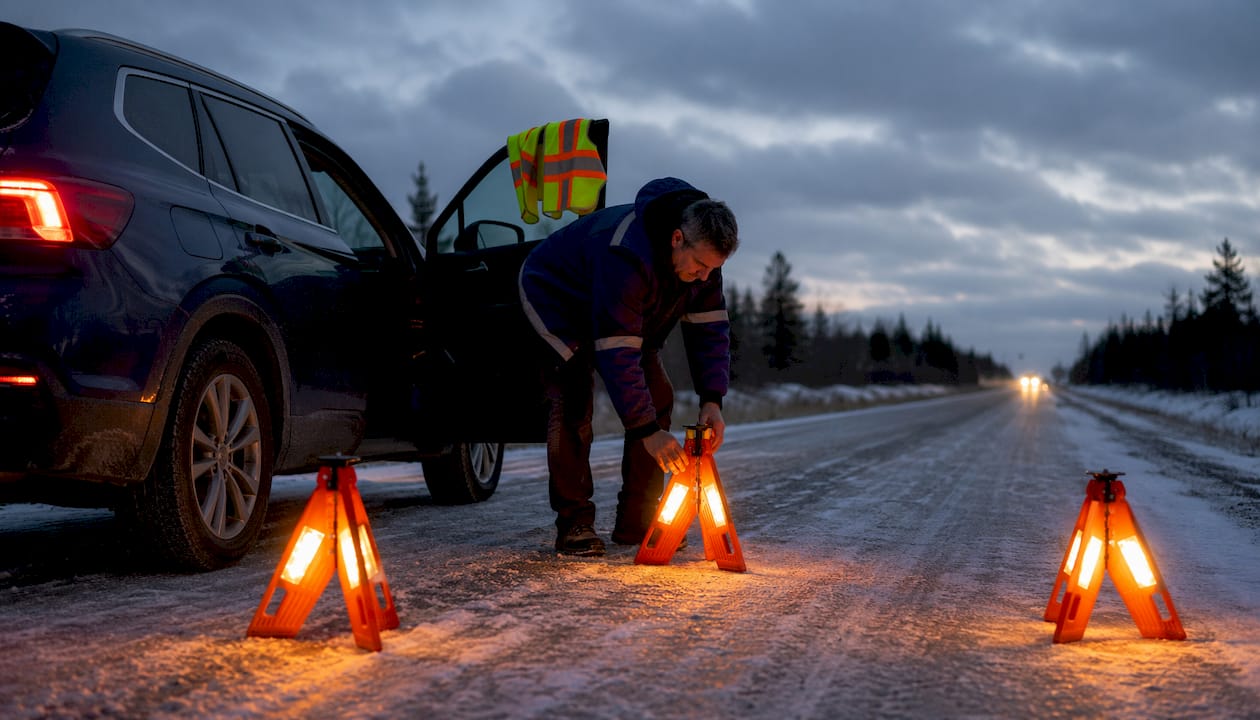


A cheap light is only cheap until a truck is down on the shoulder in sleet, the module starts taking on water, or the flash pattern quits halfway through a shift. That is where a real fleet lighting cost comparison matters. For Canadian fleets, the number on the invoice is only the starting point. The real cost shows up in failures, labour, warranty hassle, compliance risk, and how often your crew has to touch the same vehicle twice.
What a fleet lighting cost comparison should actually measure
Most buyers start with unit price. Fair enough. If you are quoting out 10 pickups, 30 plows, or a mixed municipal fleet, even a small difference per vehicle adds up fast. But if the comparison stops there, it misses the costs that hit operations later.
A proper fleet lighting cost comparison needs to look at five things together: purchase price, install time, service life, downtime risk, and compliance. Brightness and pattern selection matter too, but mostly because they affect how well the system does the job in live traffic, snow, fog, and roadside work zones.
That is why a $79 beacon and a $279 beacon are not really in the same category just because both flash amber. One might be fine for occasional private-property use. The other might be built for daily roadside exposure, vibration, salt, and long duty cycles. If your vehicle is working active lanes, backing on highways, clearing snow, or stopping in low visibility, the lower sticker price can be the expensive choice.
Upfront cost is real, but it is not the whole number
There is no point pretending budget does not matter. It does. Fleet managers have caps, municipalities have procurement rules, and contractors have to protect margin. But the smart move is separating low price from low cost.
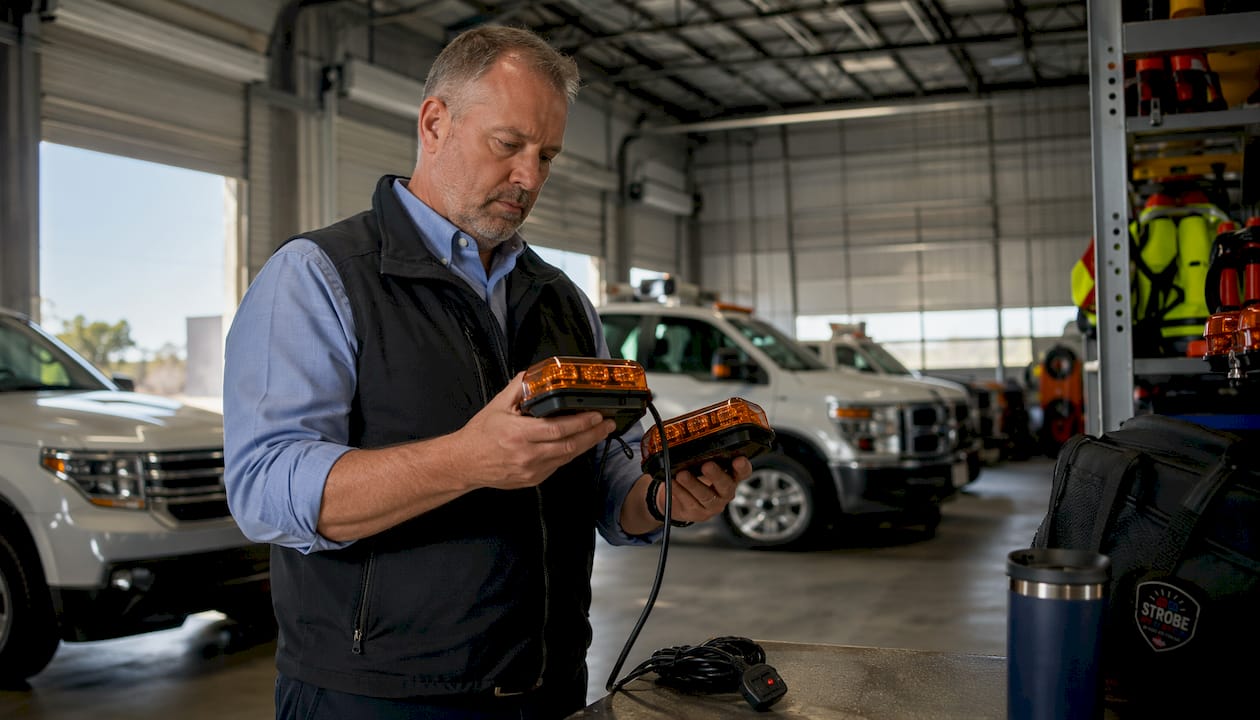
Consumer-grade lighting often wins on initial price because it cuts corners where buyers do not see it right away. Housings are thinner. Seals are weaker. Wiring is lighter. Mounts loosen faster. LEDs may be bright in the yard and disappointing in real weather. That can still look acceptable on paper if all you compare is purchase price.
Professional-grade warning lights cost more up front because they are built for duty cycles that match actual fleet use. Better thermal management protects LED life. Stronger housings survive wash bays, vibration, and winter debris. More reliable flashers and controllers reduce nuisance failures. If the vehicle works every day, those details stop being details.
A $150 saving per vehicle disappears quickly if the shop has to pull a truck back in for diagnosis, replacement, or rewiring. Labour is where bad buying decisions get exposed.
Installation labour can swing the math fast
This is where many cost comparisons fall apart. A light that is cheaper to buy can be more expensive to install, especially across multiple units.
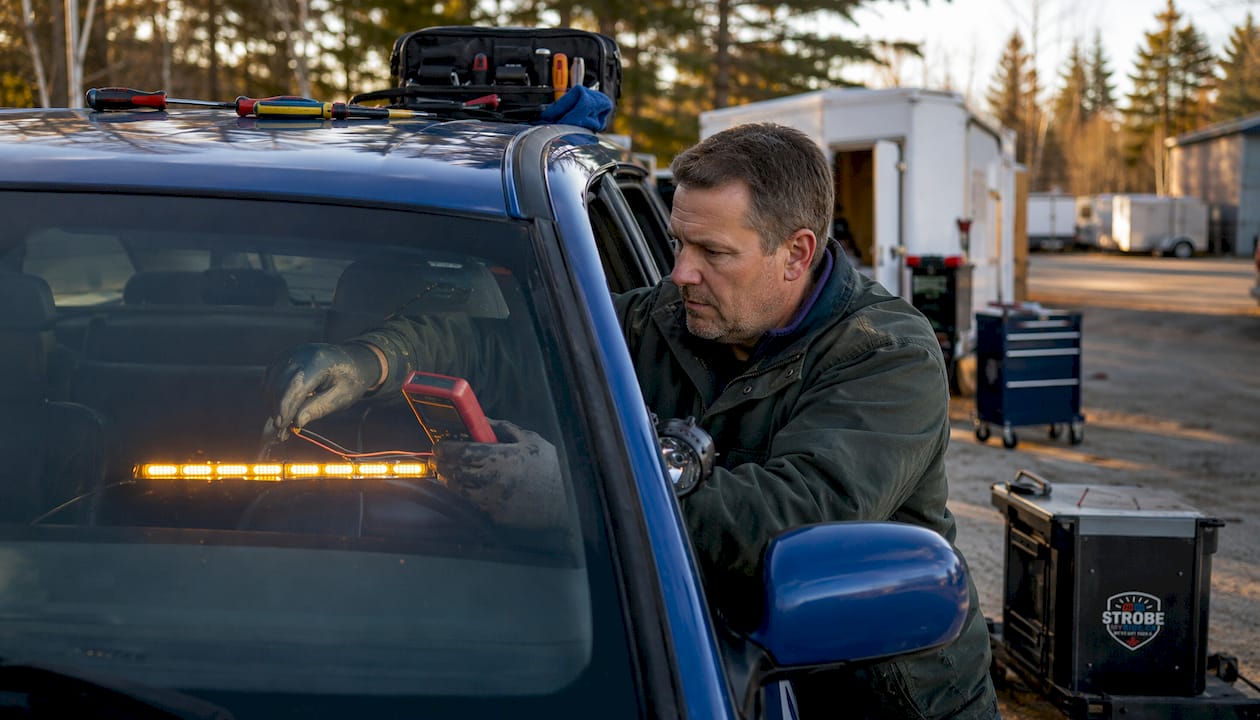
Universal-fit products can work, but they often mean more drilling, more routing, more connectors, and more time chasing a clean install. Plug-and-play options, vehicle-specific flashers, and well-designed mounting systems usually cost more at checkout and less on the hoist.
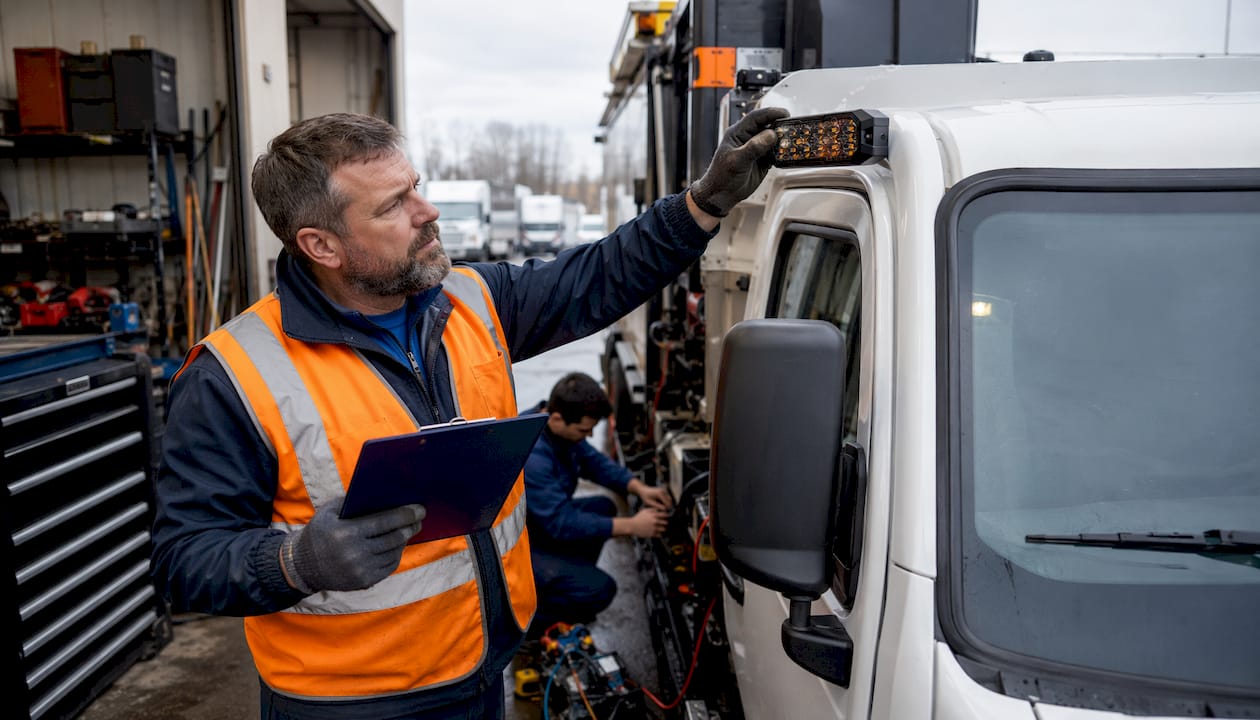
For one owner-operator truck, the difference may not be dramatic. For a fleet doing 15 or 50 installs, an extra hour per vehicle is real money. It also affects scheduling. If your trucks earn revenue or support operations daily, every extra install hour is a vehicle not doing work.
The same applies to service calls. Clean wiring, quality connectors, and proper control systems make future troubleshooting faster. When the shop can isolate a problem in minutes instead of chasing a bad connection through a rushed install, your total cost drops.
Lifespan and failure rate matter more in Canada
Canadian fleets ask more from lighting than a lot of online product listings admit. Cold starts, freeze-thaw cycles, slush, salt, heavy rain, gravel roads, pressure washing, and long dark seasons all punish weak gear.
That is why imported no-name products often look fine for 90 days and then start causing grief. Condensation gets into the housing. Mounts fatigue. Lens clarity degrades. Adhesive fails. Corrosion shows up in places that should have been sealed from day one.
A longer-lasting light does more than avoid replacement cost. It protects uptime. If a plow truck, tow unit, or service vehicle is unavailable because a warning system failed, the cost is not limited to the replacement part. It can affect dispatch, compliance, crew efficiency, and public-facing service levels.
This is also where warranty quality matters. A cheap product with a vague warranty and cross-border return headache is not really backed at all. A better product from a supplier that knows fleet use and stocks in Canada can shorten the pain when something does go wrong.
Compliance is part of cost, not a separate issue
A lot of buyers treat compliance as a box to tick after the pricing discussion. That is backwards.
If your fleet needs SAE-rated lighting, Book 7 visibility support, or equipment suitable for municipal and roadside work, then compliant gear should be in the comparison from the start. Buying the wrong class of product because it looked cheaper usually leads to one of two outcomes: you replace it later, or you keep using gear that does not properly support the job.
Neither option is cheap.
The first costs you twice. The second costs you in risk. Weak visibility in a live lane, on a shoulder, or at a winter work site is not just a product problem. It is a worker safety problem. Fleets that operate around traffic already know this. The better question is whether the original quote reflects that reality.
Comparing common fleet lighting setups
For many buyers, the real decision is not cheap versus expensive. It is which configuration gives the best value for the vehicle role.
A roof beacon may have the lowest installed cost on a basic service truck. It is simple, visible, and often enough for lower-complexity applications. But if the vehicle works around lane closures, frequent roadside stops, or snow events, adding grille lights, rear warning, or a traffic advisor may reduce exposure and improve visibility from more angles. That raises cost, but it may also better match the hazard profile.
Mini bars sit in the middle. They can offer stronger output and better all-around warning than a single beacon without the full price and install complexity of a permanent light bar. For mixed-duty fleets, that can be a practical compromise.
Full-size light bars cost more, but they often make sense on high-exposure vehicles because they deliver stronger visibility, better directional warning options, and more durable mounting for hard service. If the truck is on the road every day in active work conditions, the cost gap narrows when you factor in performance and life expectancy.
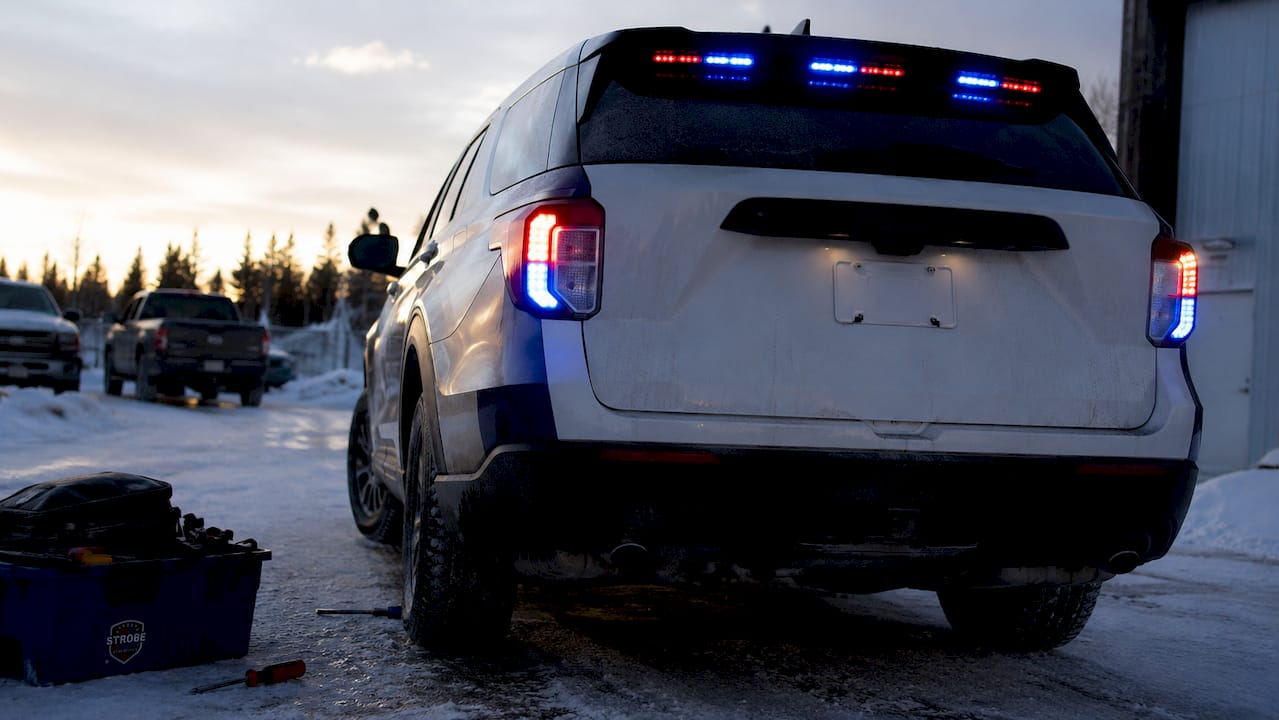
Surface mounts and hideaways can also change the equation. They spread warning output across the vehicle, improve side and rear visibility, and let fleets build more tailored packages. The trade-off is install time and system complexity. Done right, they are effective. Done cheap, they become a wiring problem six months later.
The cheapest option usually costs more over three years
If you want a practical way to compare quotes, stop looking only at purchase totals and look at cost over service life.
Take two setups. One costs $450 installed and lasts one season before you replace modules, rework wiring, or deal with failures. Another costs $850 installed but runs for years with fewer issues. The second setup may be cheaper by year two, even before you count lost time, service calls, and reduced downtime.
That gap widens in fleets with multiple vehicles. One bad buying choice repeated 20 times is not a small mistake. It becomes a maintenance pattern.
This is why serious buyers ask different questions. How long does it hold up in salt and cold? What does replacement support look like? Is it built for active-duty use or just marketed that way? How much labour is tied to the install? Can my team service it without wasting half a day?
Those are not premium-buyer questions. They are budget-control questions.
How to make a fair fleet lighting cost comparison
Start by grouping vehicles by actual use, not by making every truck identical. A supervisor pickup, a tow truck, a snow unit, and a roads truck may all need warning lighting, but not at the same level. Standardizing where it makes sense helps with maintenance and spares, but overbuilding low-risk vehicles is just as wasteful as underbuilding high-risk ones.
Then compare products by duty level. Put consumer-grade gear in one pile and professional-grade gear in another. Mixing them in the same spreadsheet hides the real difference.
After that, include labour, expected service life, replacement frequency, and compliance in the quote review. If possible, assign a rough cost to downtime per vehicle. Once you do that, a proper picture starts to emerge fast.
For Canadian operators, supplier location matters too. Domestic stock, faster dispatch, and no surprise border costs are part of total cost. Strobe My Ride has built its approach around that reality because fleet buyers do not need another delay or another box of lights that looked good online and fail in weather.
A solid fleet lighting package is not about buying the most expensive setup on the page. It is about buying the setup that survives the work, fits the risk, and stays out of the shop. If your lights are part of keeping crews visible in bad weather and bad traffic, price matters - but staying operational matters more.