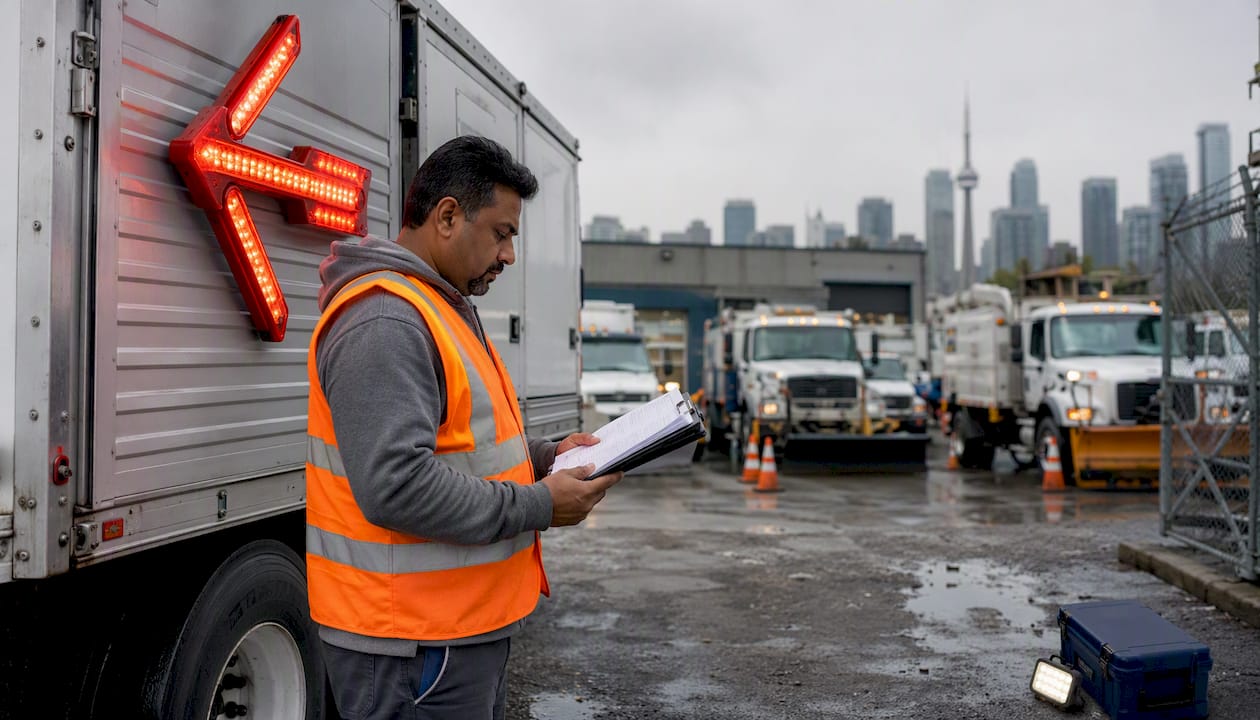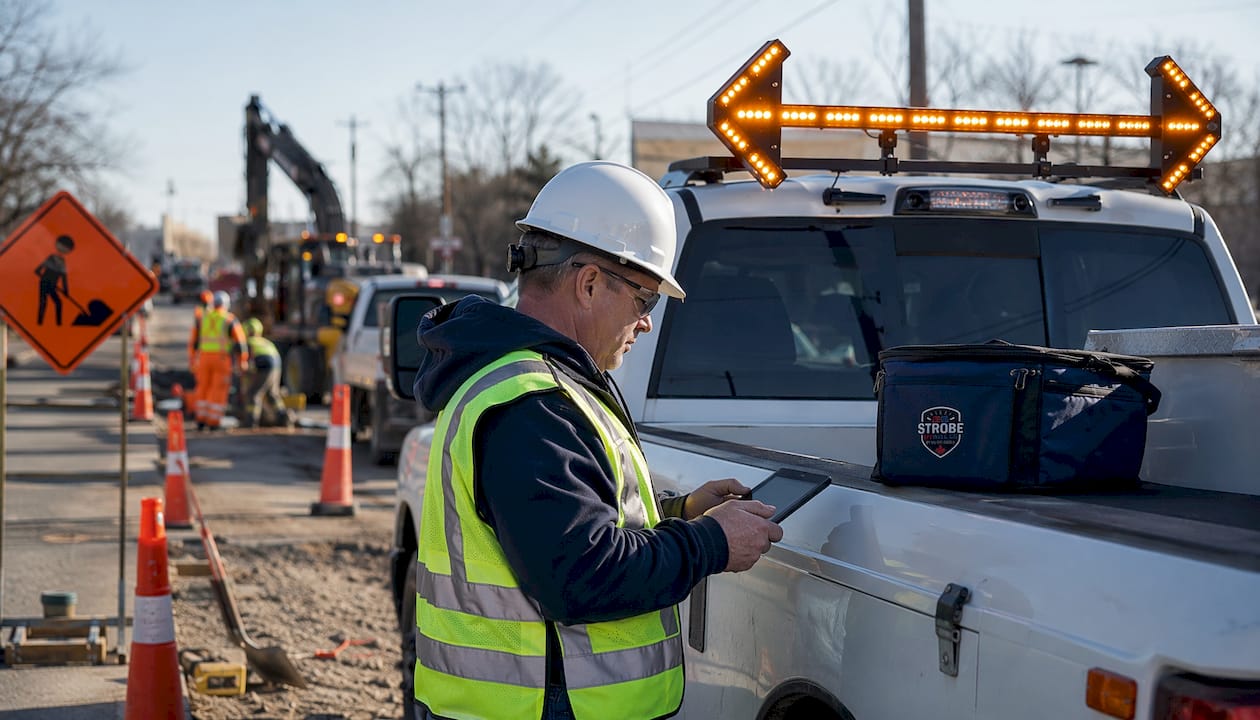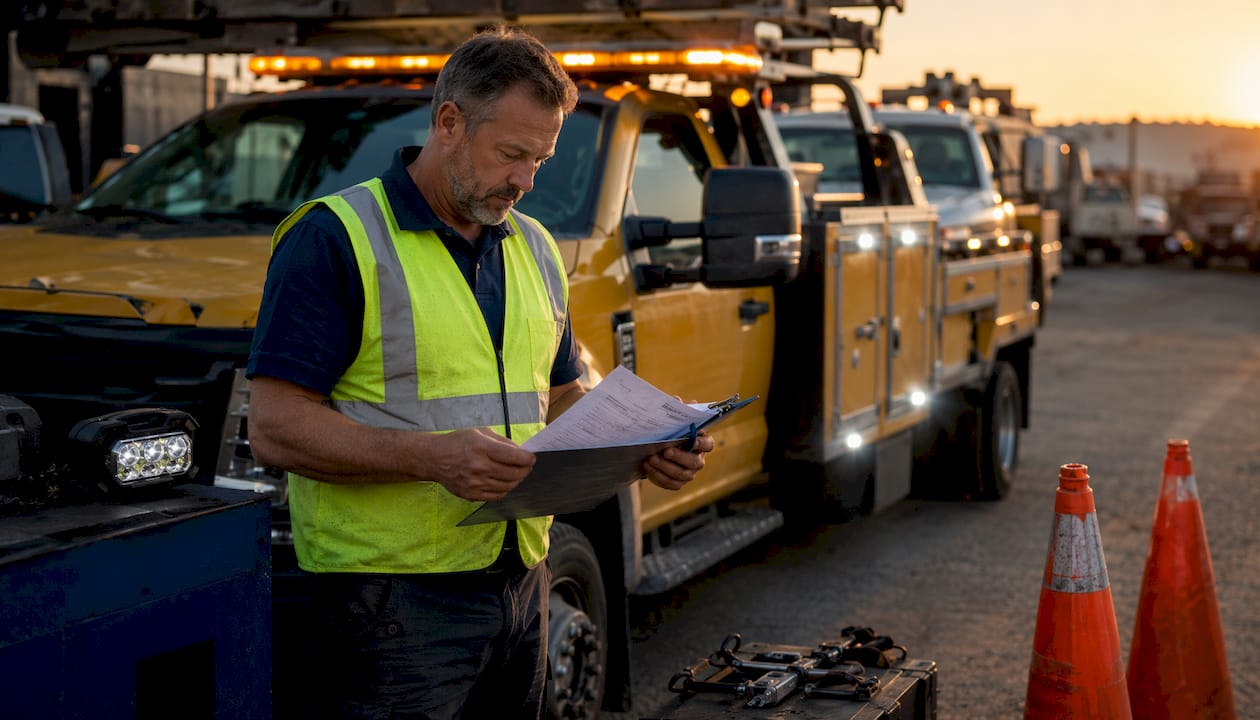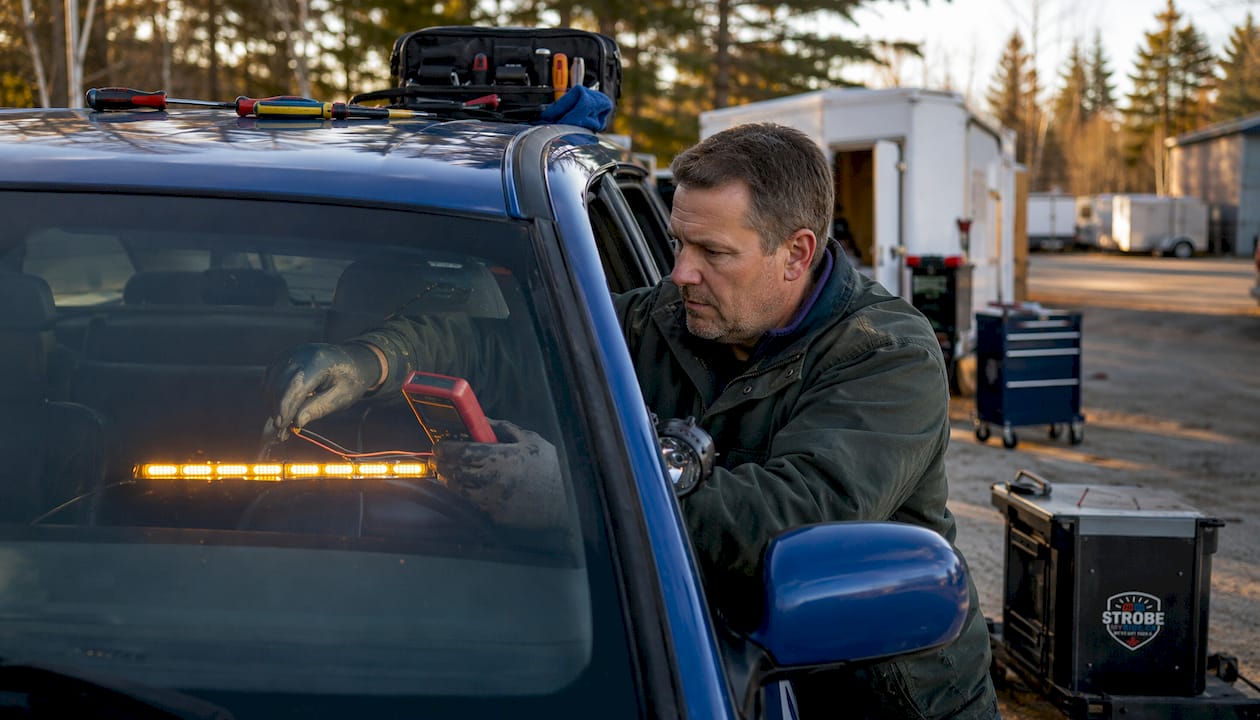

A pager goes off at 2:14 a.m., the roads are wet, and a volunteer firefighter is heading from home to the hall in a personal vehicle. That is where volunteer fire fighter green lights come into the conversation - not as a shortcut around traffic rules, but as a visibility tool meant to identify an emergency responder trying to get moving safely.
What volunteer fire fighter green lights are meant to do
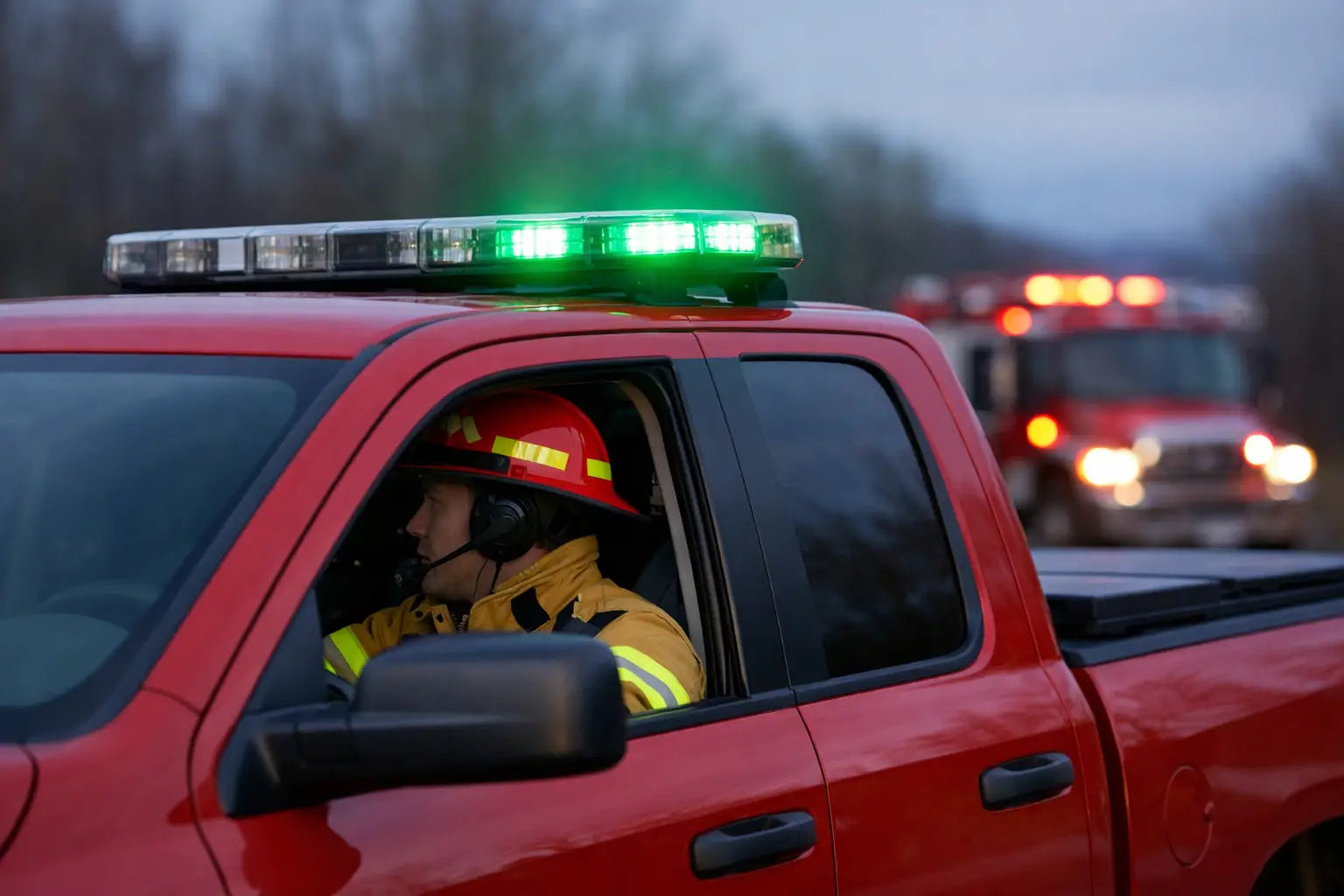
In practical terms, a green courtesy light on a volunteer firefighter’s personal vehicle is intended to let other drivers know the vehicle operator may be responding to a fire call. That is the operating idea behind it. The light is about recognition and awareness, not automatic right-of-way.
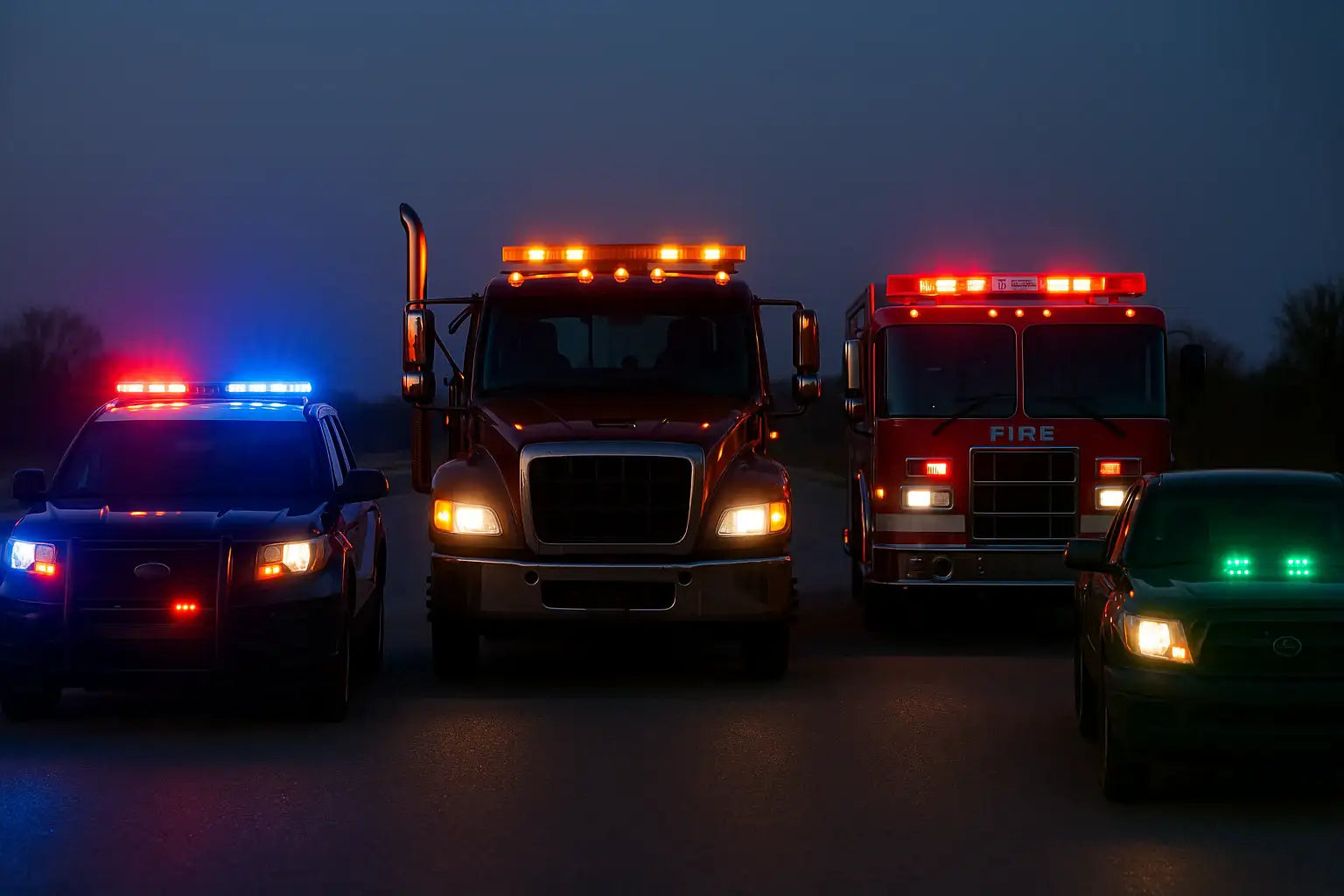
That distinction matters because many people assume any flashing light means emergency vehicle privileges. It does not work that way across the board. Green lights for volunteer firefighters are treated differently from red, blue, or a fully equipped emergency warning package, and the rules can vary by province, state, or even by agency policy.
From a fleet and roadside safety perspective, the safest way to think about these lights is simple: they may help identify the driver, but they do not replace defensive driving, proper speed, intersection discipline, or local policy.
Where volunteer fire fighter green lights are commonly used
Volunteer fire fighter green lights are most often installed in privately owned vehicles used by members responding from home, work, or another off-site location to a station or call point. In rural and small-town response models, that can make operational sense. Response times often depend on members getting to the hall quickly enough to crew an apparatus.
The challenge is that a personal vehicle is still a personal vehicle. It usually does not have the size, lighting footprint, chevron markings, siren package, or conspicuity profile of a fire apparatus. In poor weather, on two-lane roads, or in urban traffic, a single green light can be easy to miss or misunderstand.
That is why the conversation should never stop at colour alone. Mounting position, flash pattern, daytime output, off-axis visibility, windshield clutter, and driver behaviour all matter more than most people expect.
Green lights do not all perform the same way
One of the biggest buying mistakes is treating all LED warning lights as equal because they are the same colour. They are not. A low-cost light with weak output, poor lens design, or a bad mounting location may technically flash green, but still do a poor job in rain, snow, bright sun, or heavy visual clutter.
This is especially true with interior dash or visor lights. They can work well in some personal vehicle applications, but windshield angle, tint strips, dashboard shape, and glass reflection can cut performance fast. At night, some interior lights also create more cab reflection than operators expect, which can be distracting during a response.
An exterior-mounted beacon or compact mini lightbar generally gives better 360-degree recognition, but it comes with trade-offs too. Wind noise, removable mount security, wiring quality, weather exposure, and garage clearance all become part of the decision.
If you are specifying a setup for volunteers, think about the vehicle first. A green light that works on a pickup may not perform the same on an SUV with a steep windshield or a compact car with limited roof real estate.
Visibility is only part of the safety picture
A warning light can help another driver notice you sooner. It cannot make that driver interpret your movement correctly. That is a real-world problem, especially at intersections.
Drivers may freeze, stop in the wrong place, brake unpredictably, or assume the volunteer vehicle has the same authority as a marked emergency unit. None of those reactions should be relied on. Experienced responders know the highest-risk moments are usually not on the open road. They are at junctions, driveways, narrow shoulders, and in mixed traffic where human behaviour gets messy.
For chiefs and department leadership, this is where policy matters more than hardware. A green light should be part of a broader response standard that covers speed expectations, seatbelt use, intersection approach, mobile phone restrictions, and whether members are ever permitted to pass traffic. Equipment without policy is just guesswork with LEDs.
What to look at before outfitting a vehicle
Mounting location and sightlines
Start with where the light will actually be seen. A single dash light placed too low may disappear behind wiper sweep, hood line, glare, or other traffic. A visor light mounted high can improve forward recognition, but may still do little to the sides or rear. Roof-mounted options usually provide better all-around visibility, which matters when a vehicle is entering traffic from a side road or moving through intersections.
Output and photometric standards
If you are comparing warning lights, pay attention to whether the product references recognized standards such as SAE J595 or SAE J845 where applicable. That does not answer every compliance question, and it does not make a setup acceptable in every jurisdiction, but it does tell you the manufacturer is at least speaking the language of professional warning lighting rather than generic marketplace listings.
For volunteer response vehicles, useful output is not about being obnoxiously bright. It is about being visible in the conditions where people actually drive - daylight, rain, fog, dirty windshields, roadside lighting, and background clutter from signs and headlights.
Power supply and switching
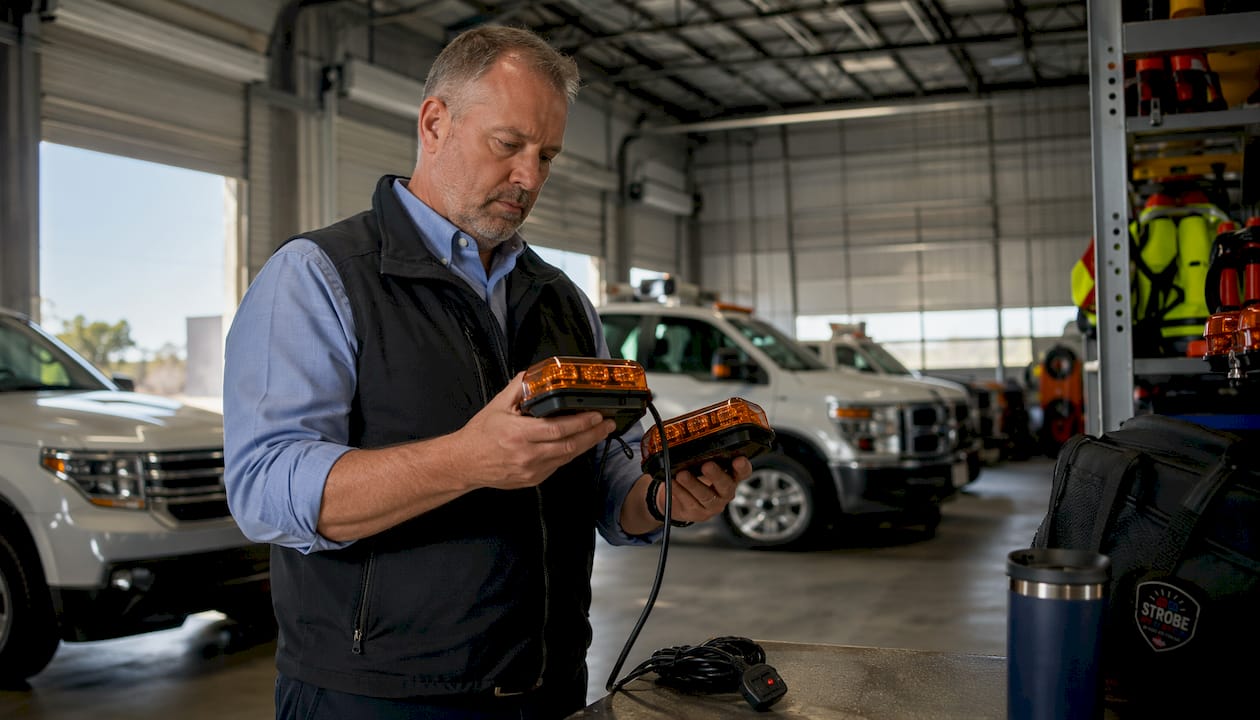
Temporary plug-in lights are common in POV applications, but plug placement, switch access, and cable routing deserve more attention than they usually get. A badly routed cord can interfere with controls or create a distraction. Hardwired installations are often cleaner and more dependable, but they need to be done properly with fuse protection, secure connections, and sensible switch placement.
Vehicle use beyond fire response
Many volunteers use the same vehicle for family, work, and daily driving. That affects equipment choice. A removable beacon may suit one operator better than a permanent mini lightbar. A discreet visor light may be preferred where theft, aesthetics, or parking restrictions are concerns. There is no universal best option. The right choice depends on how the vehicle is used when it is not responding.
Common mistakes with volunteer fire fighter green lights
The first mistake is overestimating what the light means to the public. Many drivers do not understand green courtesy lights at all. Some will move over. Some will not notice. Some will react unpredictably.
The second mistake is under-building the package. A weak single light in a poor location often leaves the operator with false confidence. If the goal is visibility, the setup has to be chosen for actual traffic conditions, not just because it was cheap or easy to stick on the dash.
The third mistake is ignoring departmental consistency. If every member buys a different light, uses a different flash pattern, and mounts it wherever it fits, recognition suffers. Standardizing approved products, mounting zones, and basic use expectations usually creates a cleaner and safer result.
A quick word on compliance and policy
This is where people want a yes-or-no answer, but real life is not that tidy. Rules for green lights on volunteer firefighter vehicles vary by jurisdiction, and department policy may be stricter than what is generally permitted. Before buying or installing anything, confirm what applies to your province, state, municipality, insurer, and fire department.
That same caution applies to colour combinations, number of lights, siren use, and whether a personal vehicle can display any other emergency-style equipment. Good equipment selection starts with operational reality and policy alignment, not assumptions.
Choosing equipment that is built for real work
If you are evaluating products, look past flashy marketing photos. Ask how the light handles vibration, moisture, temperature swings, connector quality, and long-term reliability. Volunteer responders do not need junk that works for two storms and dies on the third callout.
A practical supplier should also be able to explain application fit. For example, when a compact beacon makes more sense than a visor light, when a mini lightbar is overkill for the vehicle, or when a simple single-head setup is not enough. That kind of guidance matters more than having fifty colour-changing modes nobody needs.
For Canadian buyers, it also helps to work with suppliers who understand real winter operation, mixed rural and urban driving, and the standards language used in professional warning lighting. Strobe My Ride is built around that kind of no-BS selection process - application first, product second.
The real goal
The best use of volunteer fire fighter green lights is not to create authority. It is to improve recognition while supporting a disciplined, policy-driven response culture. When the equipment is chosen properly, mounted properly, and used by someone who understands its limits, it can be a useful part of the picture.
If you are outfitting a volunteer vehicle, treat the light as one layer of visibility - not the whole safety plan. The road is full of tired drivers, distracted drivers, weather, glare, and bad assumptions. Build your setup for that reality, and you will make better decisions from the start.