
A light that looks great in a product photo can be the wrong choice on a live roadside at 2 a.m. in blowing snow. That is really what the amber vs white strobes debate comes down to - not looks, not trends, but what helps your crew get seen without creating new problems.
If you run tow trucks, municipal units, plow fleets, contractor pickups, pilot vehicles, or volunteer response vehicles, colour choice matters. It affects visibility, driver reaction, glare, scene control, and in some cases compliance. There is no one-size-fits-all answer. There is, however, a right answer for the way your vehicle actually works.
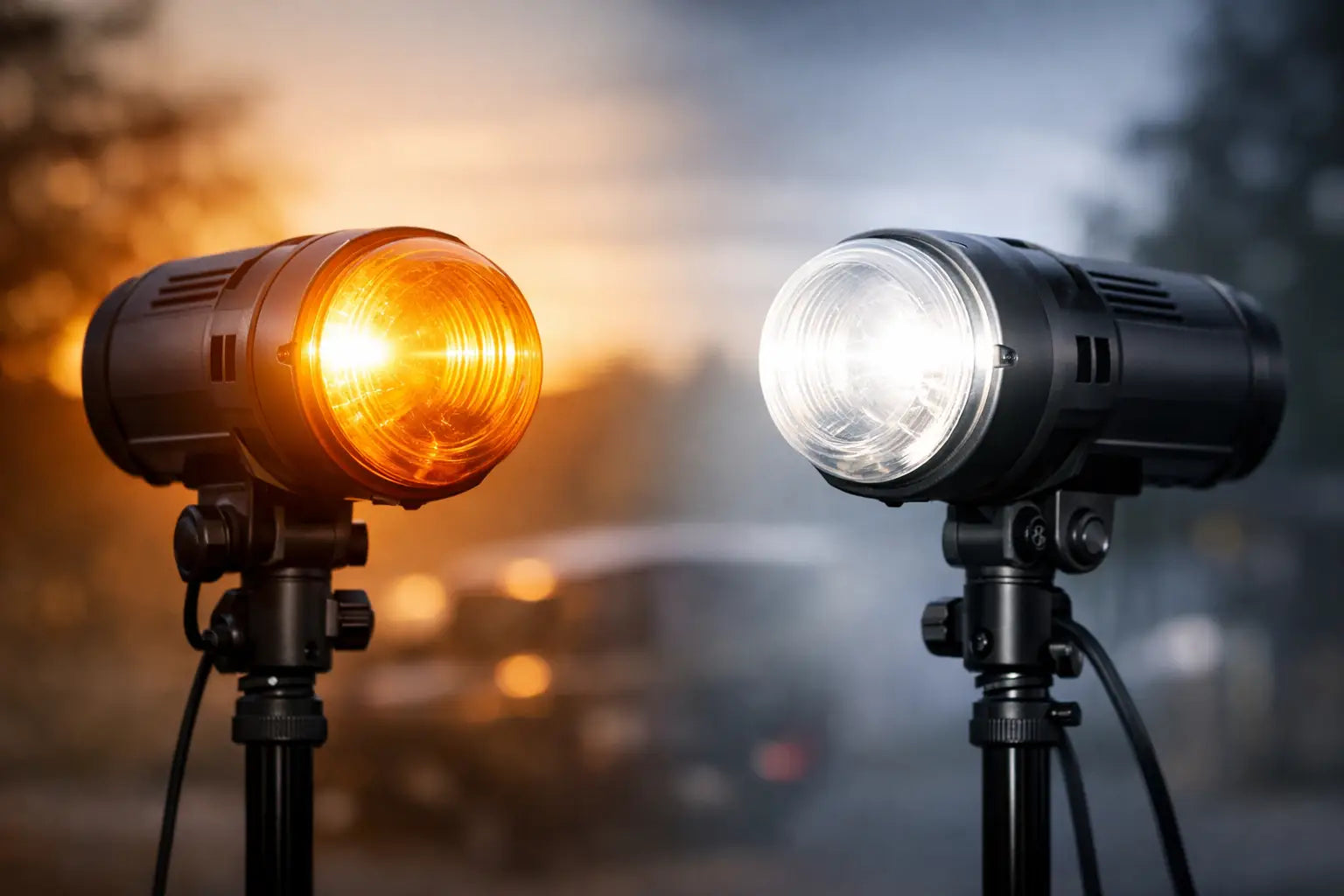
Amber vs White Strobes: The Core Difference
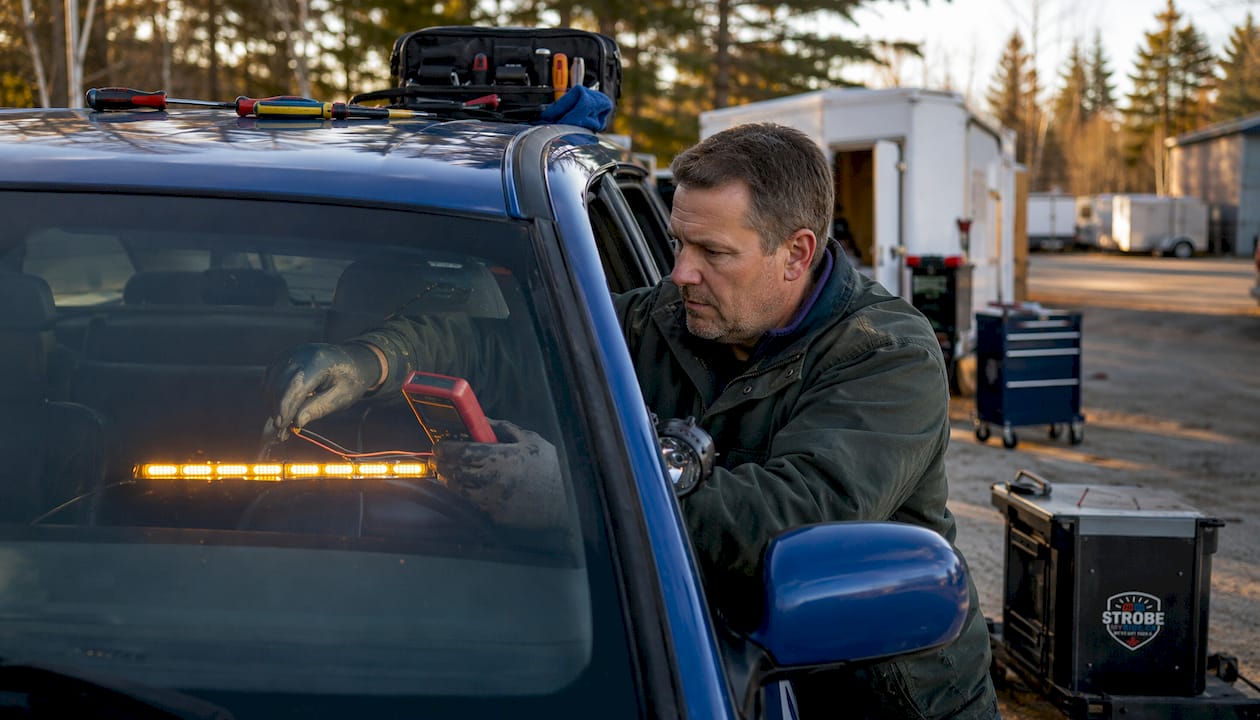
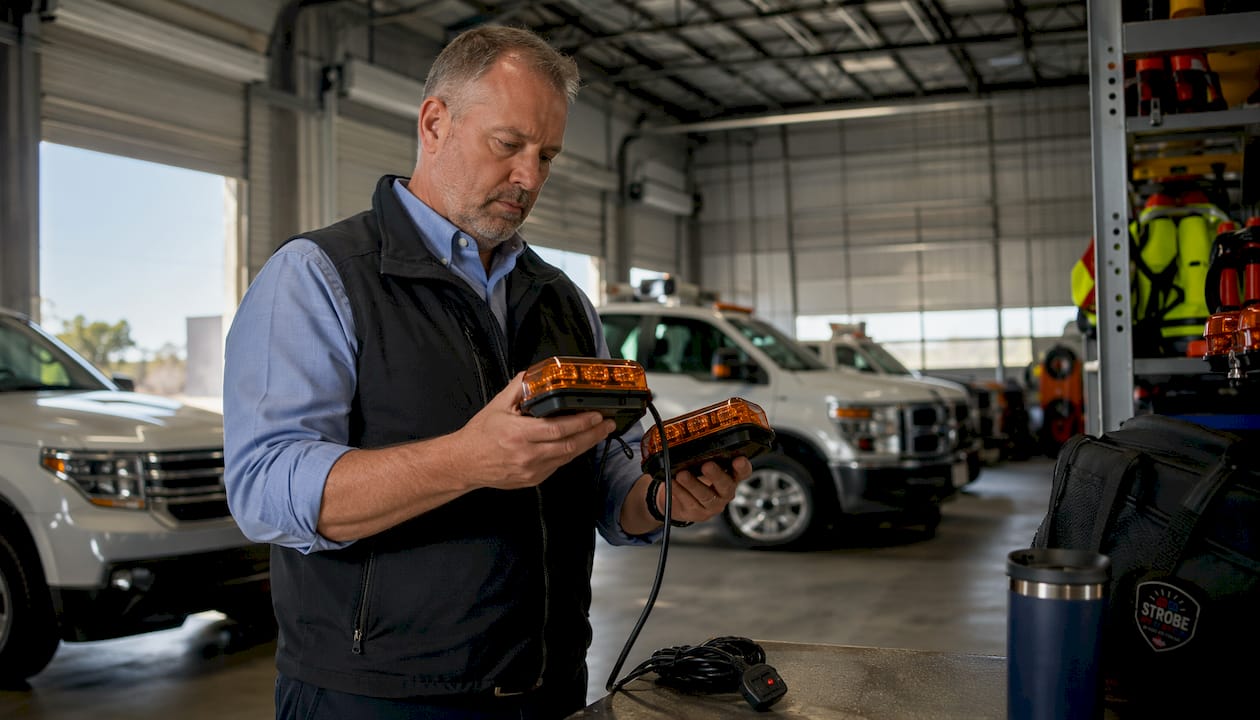
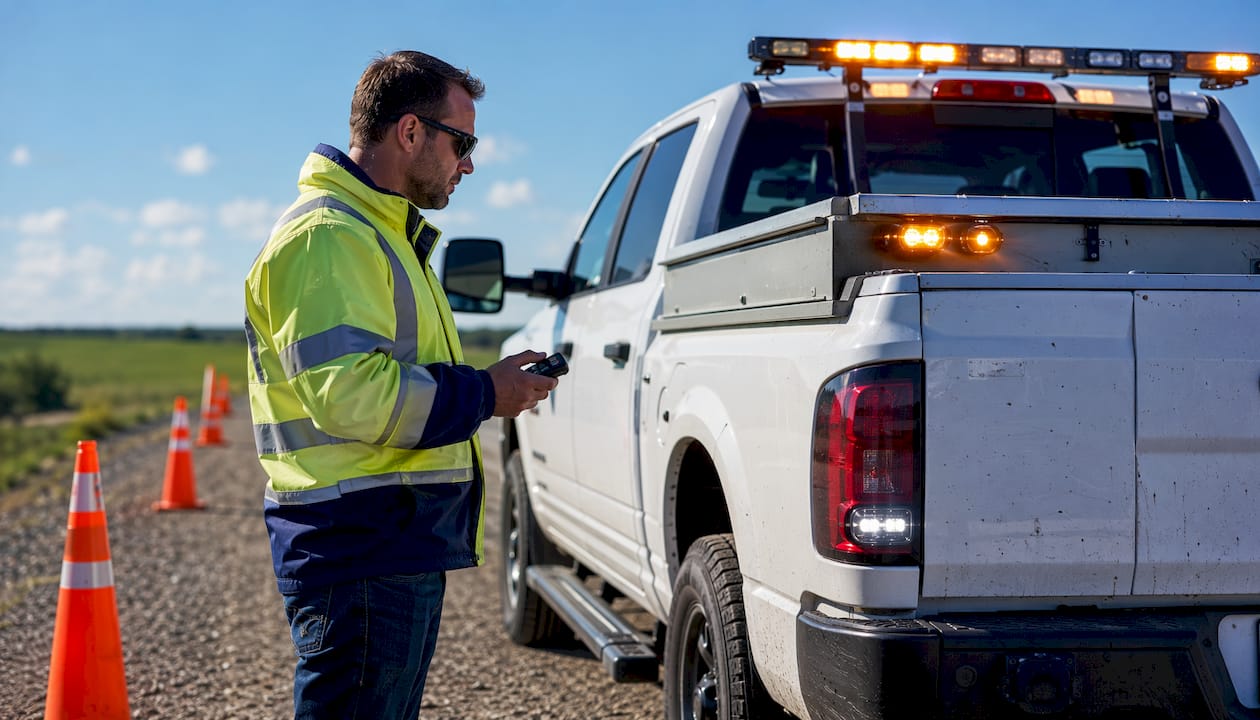
Amber warning lights are built to grab attention without overwhelming the scene. That is why they are so common on service bodies, highway maintenance trucks, snow equipment, tow units, and contractor vehicles. Amber signals caution. Drivers see it and understand they need to slow down, move over, or pay attention.
White strobes do something different. They are sharper, more intense, and often more disruptive to the eye. Used properly, they can punch through visual clutter and deliver serious forward or intersection warning. Used badly, they can create harsh glare, wash out nearby lighting, and make an already dangerous roadside scene harder to manage.
That difference matters most when the vehicle is stopped in traffic, working on a shoulder, backing into a site, or operating in poor weather. The goal is not just to be bright. The goal is to be conspicuous in a way that helps, not hurts.
Where Amber Usually Wins
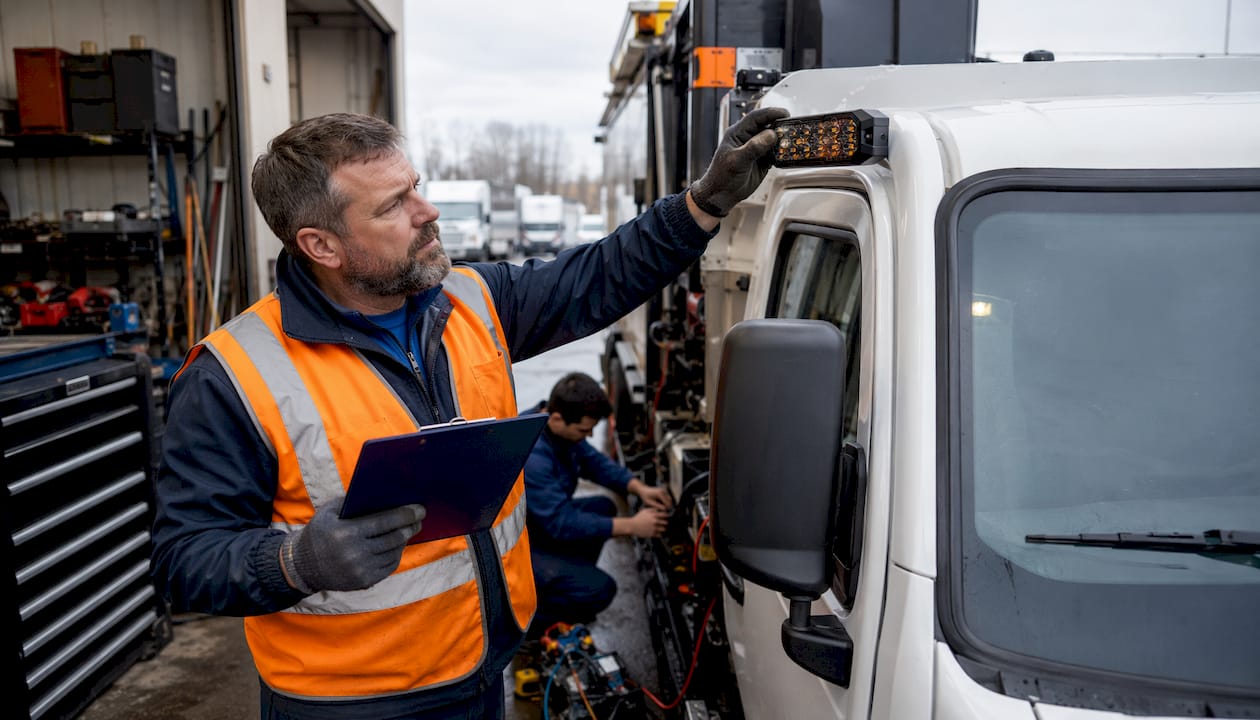
For most Canadian work fleets, amber is the safer default. There is a reason it dominates utility, construction, towing, and municipal equipment. It is highly noticeable, widely accepted, and better suited to long-duration warning without feeling like an emergency response signal.
Amber also tends to be easier on other drivers at close range. On a busy roadside or in a queue of traffic, that matters. You want people to see the truck early and understand there is a hazard ahead. You do not want to blind them as they pass your operator in the cone line.
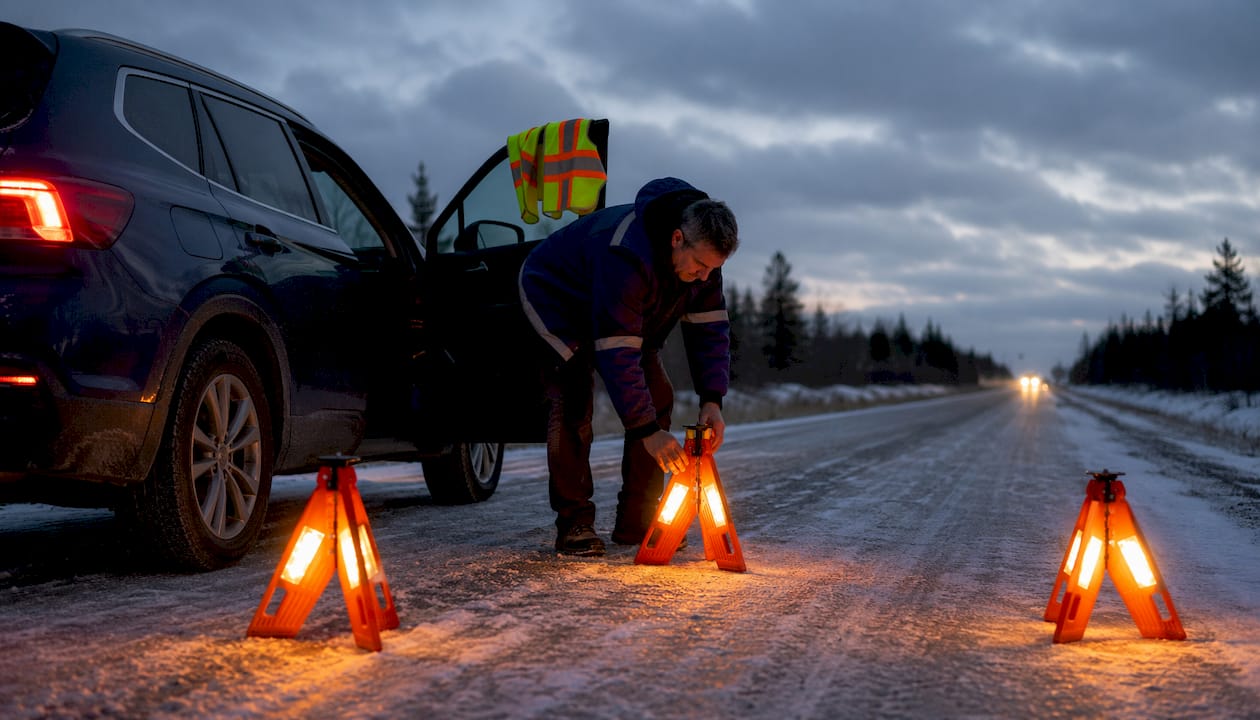
In winter conditions, amber often feels more controlled as well. White light can reflect aggressively off snow, road spray, wet pavement, and retroreflective signs. Amber is not immune to that, but it is generally less punishing in the driver’s mirror and less likely to create a wall of glare around the work zone.
For fleets trying to keep things simple across multiple units, amber is usually the cleanest choice. It covers a lot of use cases, and it aligns with what most road users already expect from non-emergency warning vehicles.
Best use cases for amber strobes
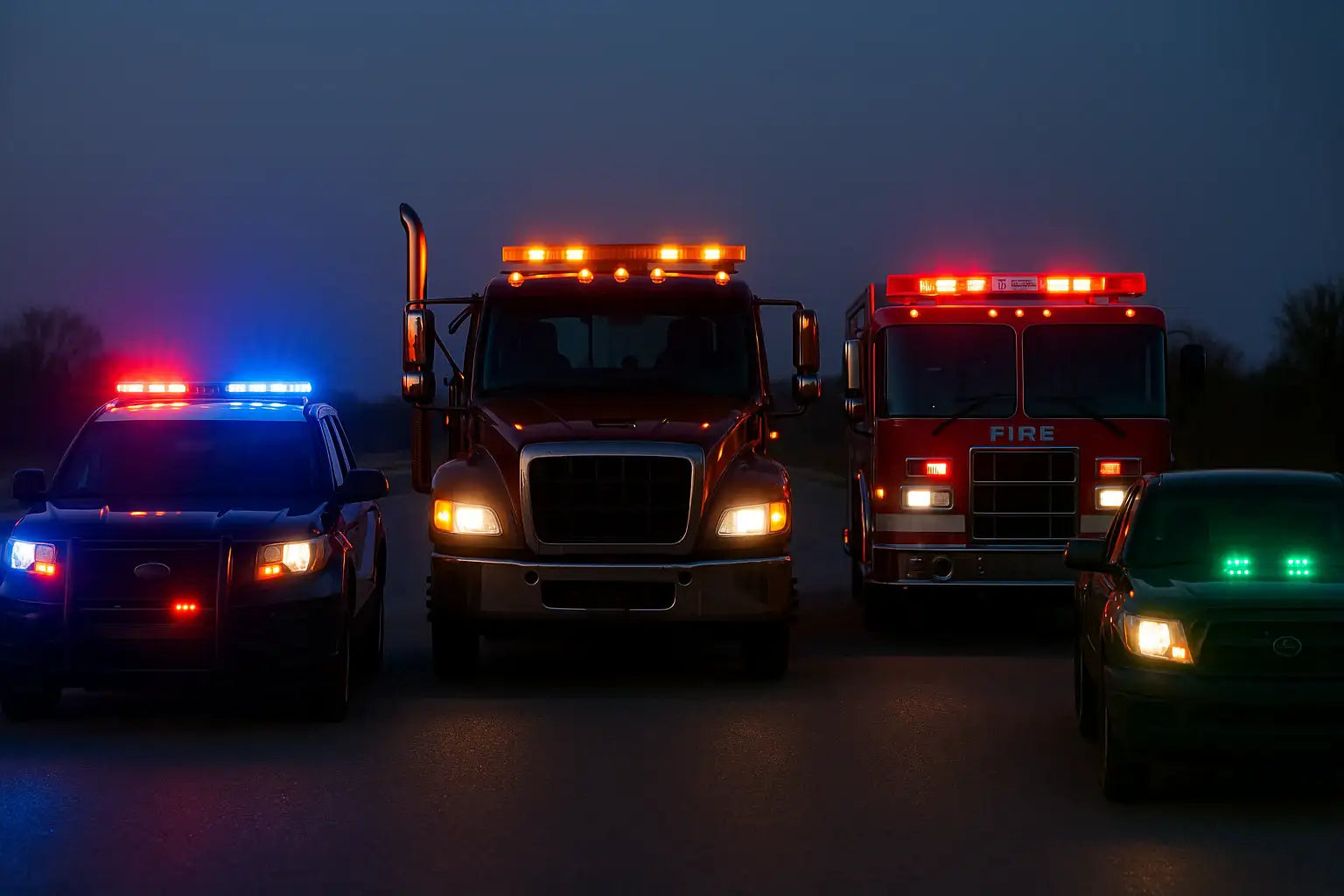
Amber is usually the right fit for tow trucks, snow plows, pilot trucks, utility fleets, roadside contractors, municipal service vehicles, and any work truck that needs to warn traffic without imitating police, fire, or EMS lighting. It is also the safer call when the vehicle spends long periods parked roadside or moving slowly through active traffic.
When White Strobes Make Sense
White has a place. It just needs to be used with discipline.
A white strobe can be extremely effective for head-on visibility, intersection clearing, and momentary attention in noisy visual environments. If your vehicle has to stand out against city lighting, daylight clutter, or high-contrast backgrounds, white can add a hard-edged alert that amber alone may not deliver.
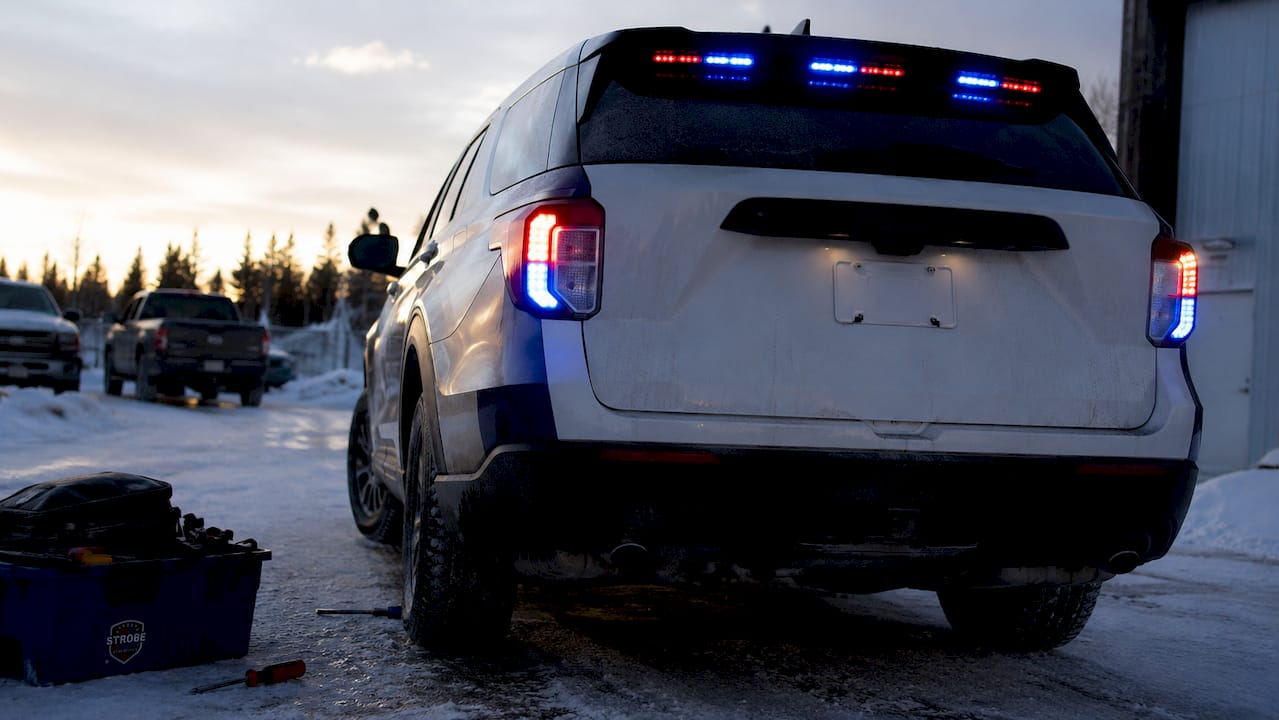
This is one reason many operators use white in a limited, directional role rather than as the main warning colour. For example, white hideaways or front-facing modules may be added to improve oncoming recognition, while amber handles the primary 360-degree warning package. That setup can work well when it is legal, balanced, and not excessive.
The problem starts when white is overused. Too much white flash from every angle can be fatiguing to other drivers and to your own crew. It can also reduce scene readability. If every light source is blasting at maximum intensity, people stop processing the scene properly. They just see chaos.
White strobes and scene lighting are not the same thing
This trips people up. White warning strobes are for alerting traffic. White scene lights are for helping crews see what they are doing. Those are different jobs.
If the real problem is poor task lighting around the truck, adding more white strobe power is not the fix. You need proper scene lighting, work lights, alley lights, or rear flood output aimed where the work happens. Warning lighting should control traffic awareness. Scene lighting should support the job. Mixing those roles usually leads to a setup that does neither well.
Compliance Changes the Conversation
Before anyone argues brightness or preference, check what is allowed for your vehicle type and province. In Canada, warning light colour is not just a style choice. It can fall under provincial highway traffic rules, municipal policy, fleet standards, or jobsite-specific requirements.
Amber is broadly accepted for caution and service vehicles. White can be more restricted depending on how it is used, where it is mounted, and whether the vehicle has any authorized emergency or special-duty role. A fleet manager who ignores that can end up with a lighting package that creates liability instead of protection.
This is especially true for mixed fleets. A contractor, municipality, or towing company may have half a dozen different vehicle classes, each with slightly different operational needs. The right answer for a supervisor SUV is not automatically the right answer for a plow, a boom truck, or a volunteer responder’s POV.
That is why buying based on a social media video is a bad move. Start with function, then compliance, then placement.
Amber vs White Strobes in Bad Weather
Canadian operators do not work in lab conditions. They work in freezing rain, snow squalls, fog, slush, dust, and black nights on two-lane roads. That is where the amber vs white strobes choice gets real.
White can look brutally bright in clear weather, but that same intensity may backfire in fog, heavy snowfall, or blowing dust. The light reflects hard and can create a halo effect that reduces useful contrast. Drivers see flash, but not always the vehicle shape or work area clearly.
Amber generally gives a more usable warning signature in those conditions. It still attracts attention, but often with less scatter and less visual punishment. That does not mean white is useless in bad weather. It means white needs smarter deployment, lower reliance, and better aiming.
If your fleet spends winter nights on the shoulder or in live lanes, this is not a small detail. It affects whether the warning package helps traffic identify the hazard early or just creates glare at the exact moment you need calm, predictable driver behaviour.
Placement Matters More Than People Think
The wrong colour in the right place can still outperform the right colour in the wrong place. Mounting position, flash pattern, synchronisation, and directional coverage all change how effective the system is.
A balanced amber package with solid front, side, and rear coverage will usually do more for real-world safety than a random collection of ultra-bright white heads stuffed into every available panel. Visibility is about shape, movement, and recognition. Drivers need to understand that a hazard vehicle is ahead, beside them, or backing into their path.
Front-facing white modules can be useful if they are controlled properly. Rear-facing white warning flash is where extra caution is needed, especially if operators are working close behind the vehicle or traffic is approaching in darkness. There is a fine line between attracting attention and causing discomfort or confusion.
This is where a serious supplier earns its keep. Built-for-real-work lighting is not about throwing lumens at the problem. It is about choosing the right output, optics, and placement for the vehicle’s job.
So Which One Should You Buy?
If you need one answer for most work trucks, service fleets, tow units, municipal vehicles, and roadside contractors, start with amber. It is the most versatile, the easiest to justify operationally, and usually the safest fit for caution-based warning.
If you have a specific need for stronger front-facing punch, intersection noticeability, or supplemental attention in complex traffic environments, white can make sense as part of the package. Not the whole package. Part of it.
The best setups are usually not ideological. They are practical. They match the vehicle’s duty cycle, the province’s rules, the weather conditions, and the actual risk profile of the work.
At Strobe My Ride, that is the standard we care about - not gimmicks, not Amazon junk, and not lighting that looks good until the first snowstorm or roadside callout. Buy for the job your vehicle does, and the safest colour choice gets a whole lot clearer.