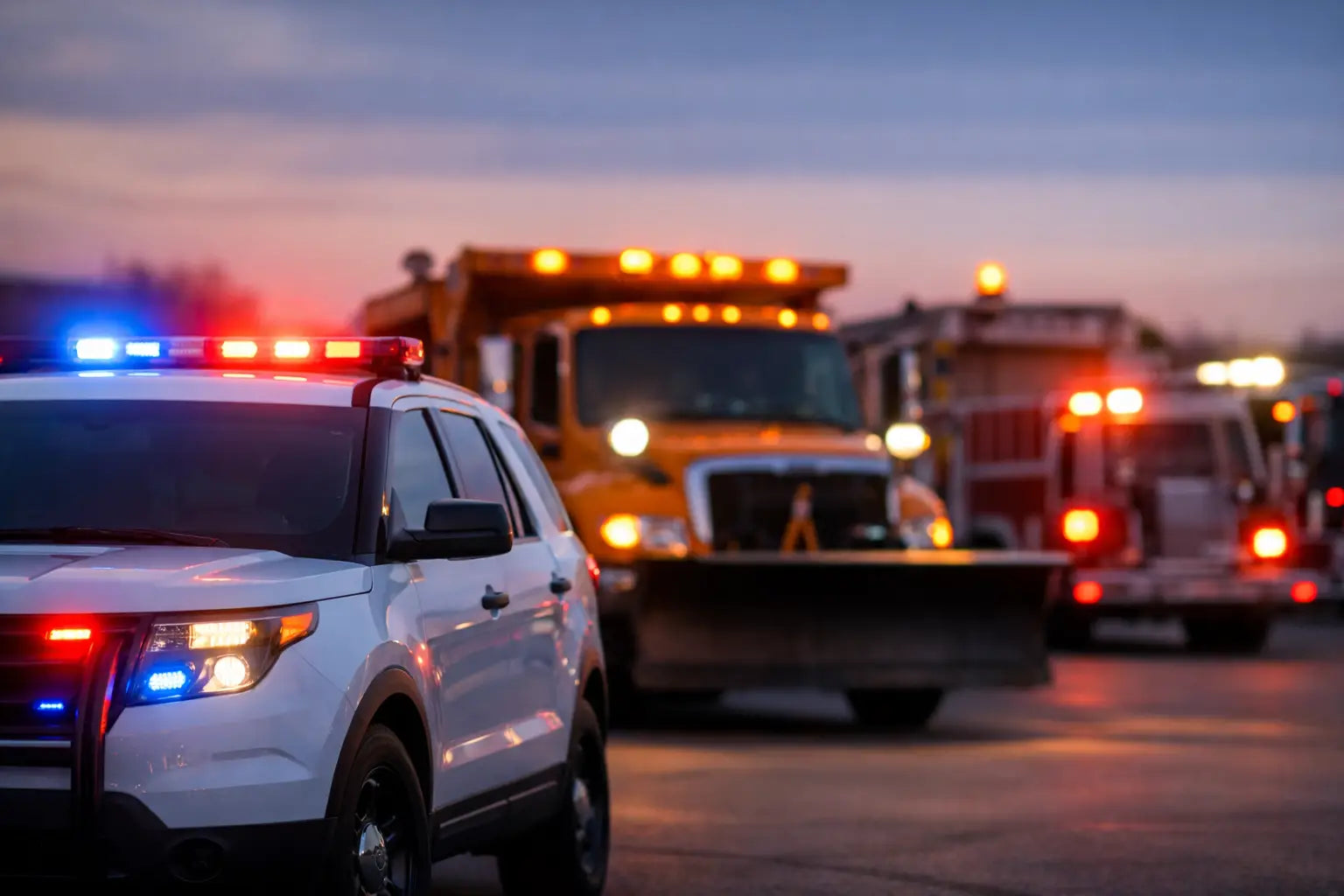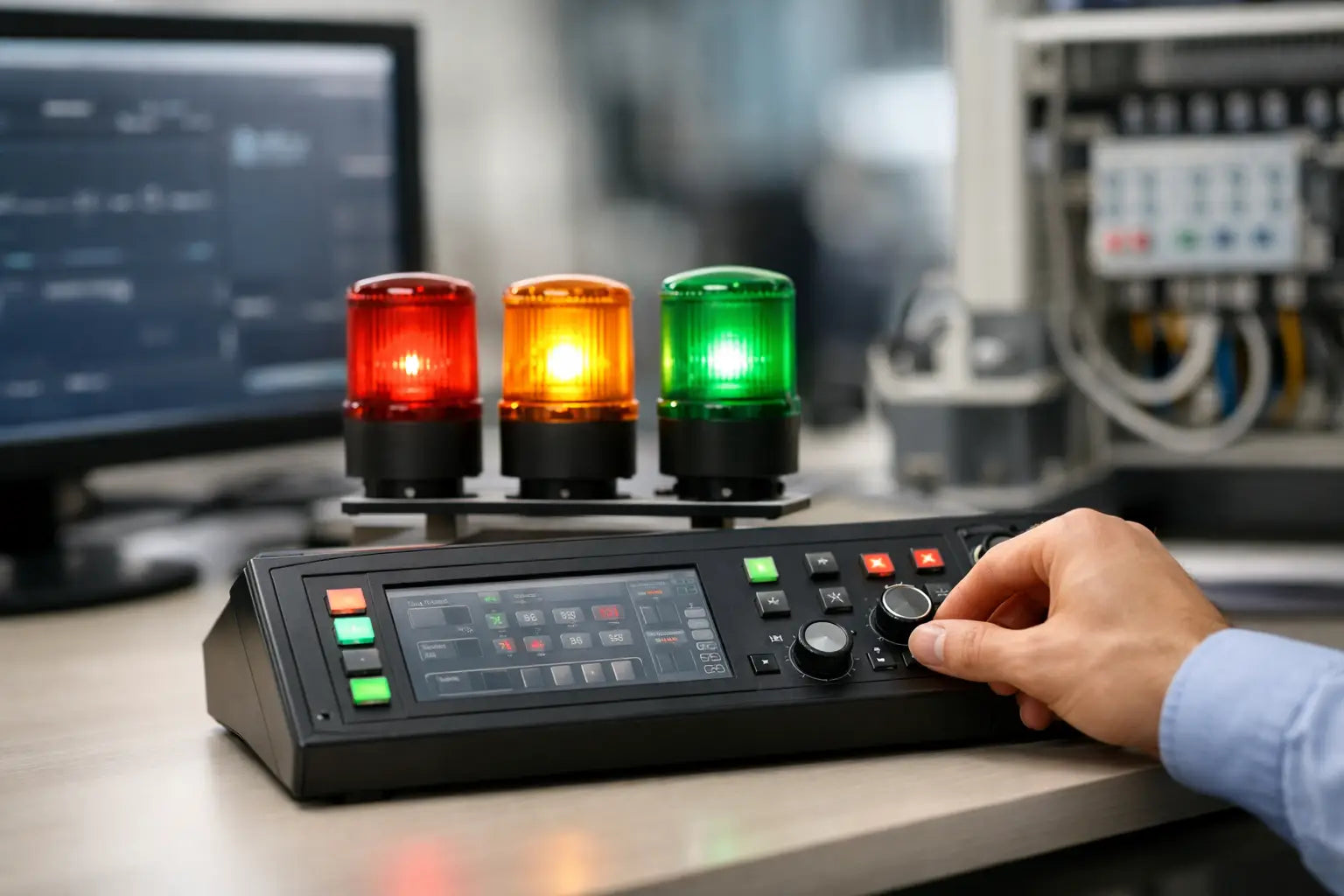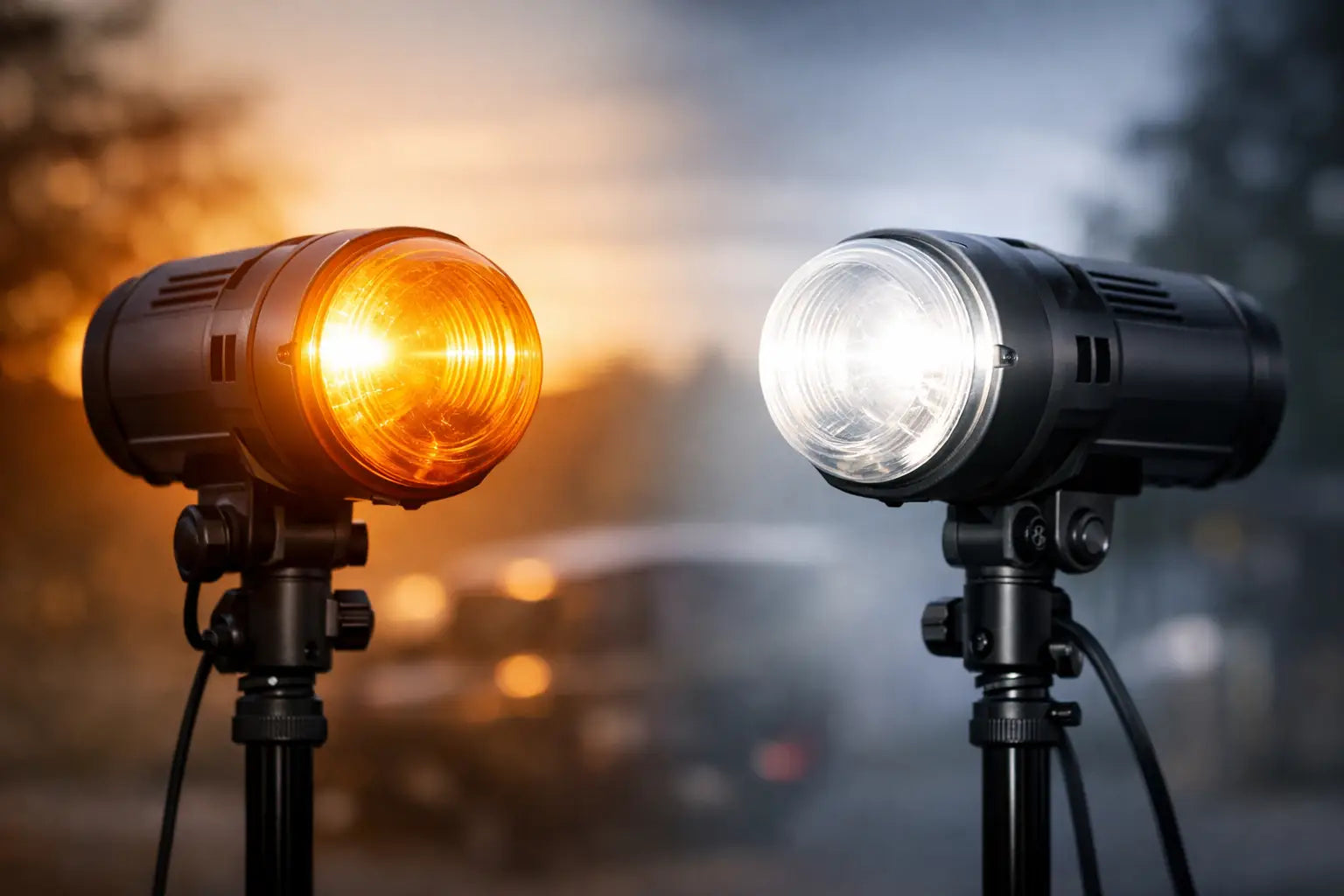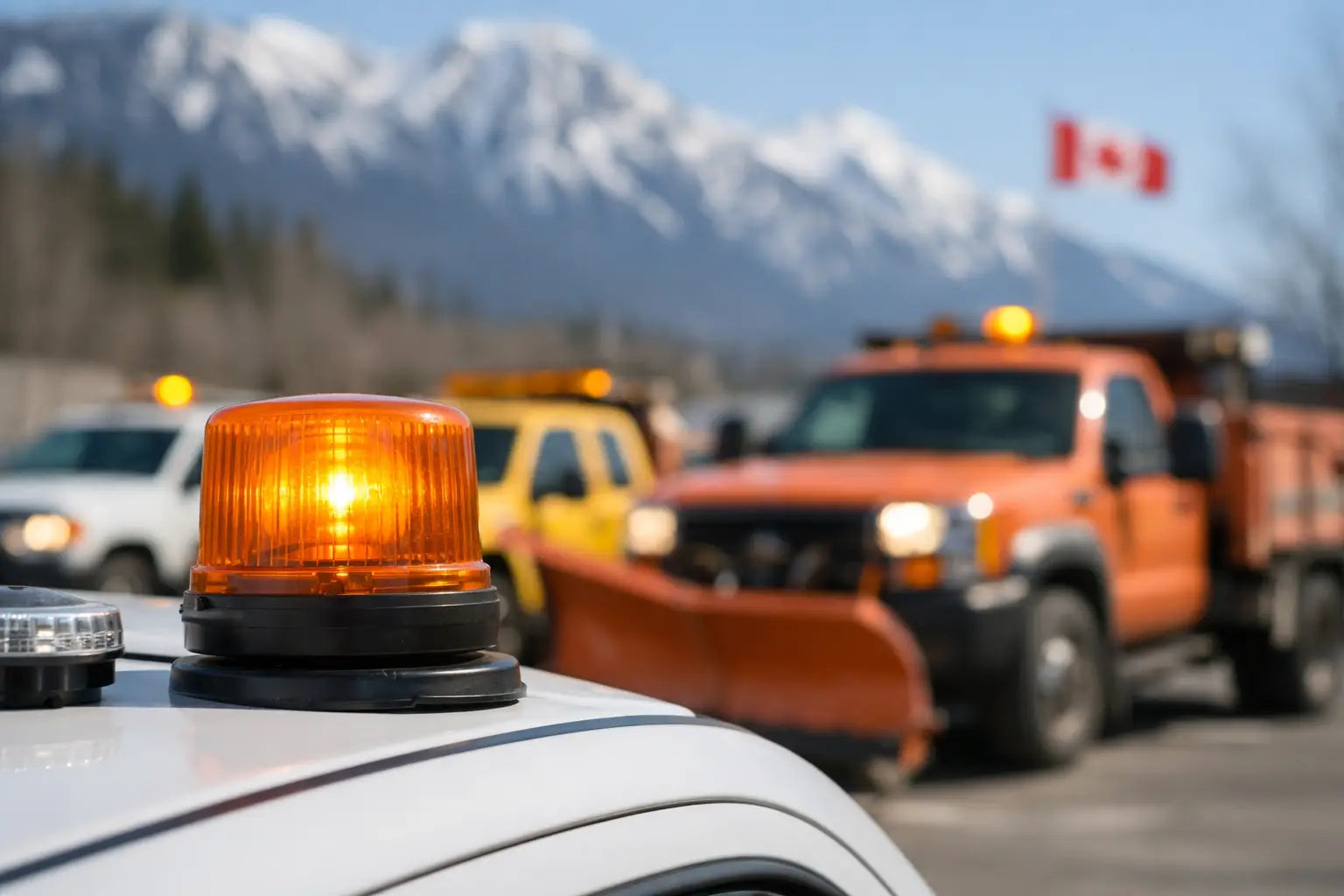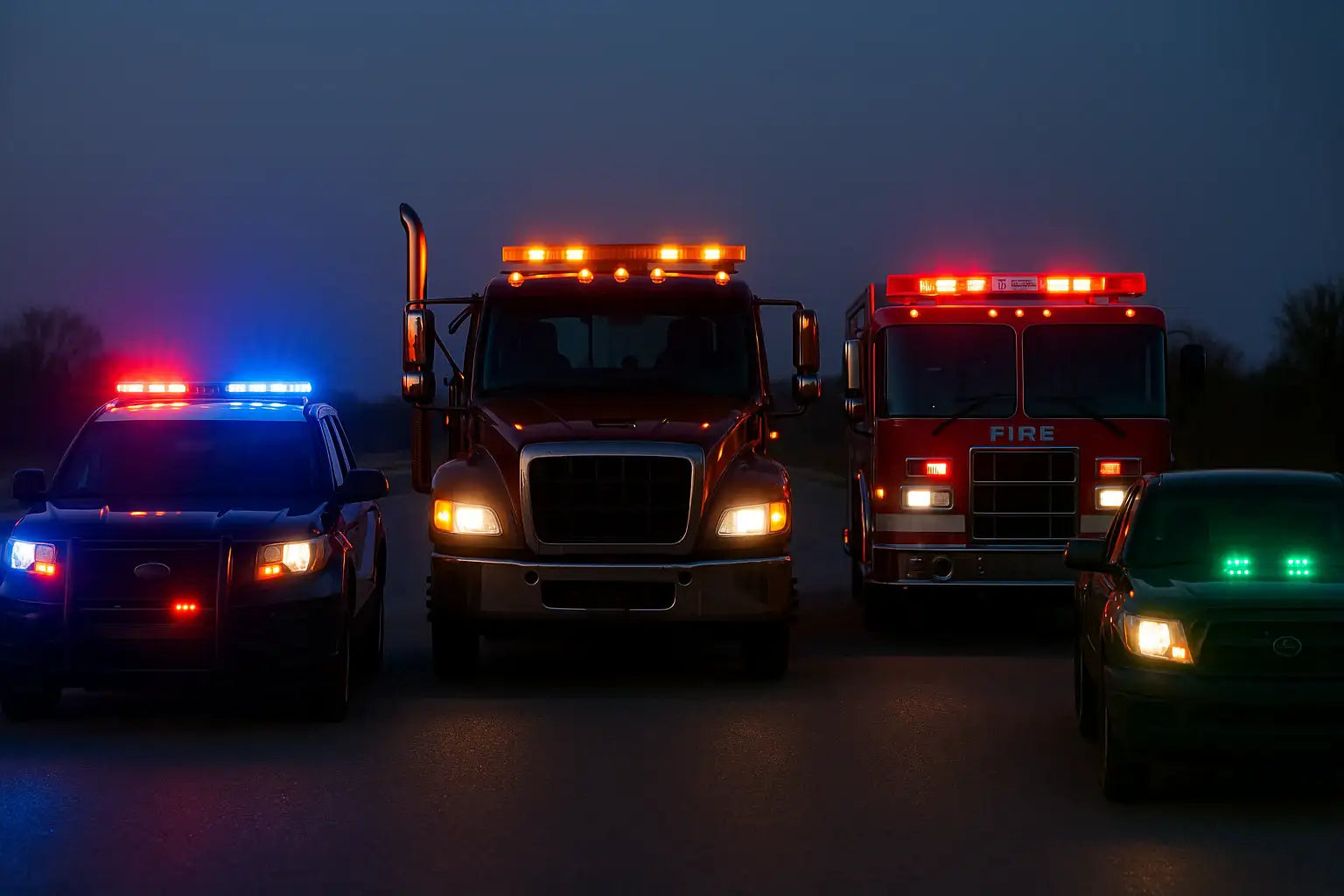


If your truck is parked on a live shoulder in freezing rain, this is not the place to save fifty bucks on the wrong light. The LED vs halogen warning lights debate matters because visibility gear is not decoration - it is part of your safety system, your uptime, and in many cases your compliance plan.
For Canadian fleets, contractors, tow operators, municipal crews, and volunteer responders, the right answer usually comes down to one thing: what will keep working in real conditions, on real vehicles, with real duty cycles. That is where the gap between LED and halogen gets very clear.
LED vs halogen warning lights: the real difference
On paper, both light sources do the same job. They produce warning light that helps your vehicle get seen. In the field, they behave very differently.
Halogen warning lights use a filament bulb inside a gas-filled housing. That filament heats up and produces light. It is older tech, simple in concept, and for years it was common on rotating beacons and other warning products.
LED warning lights use solid-state diodes. No filament, far less heat at the source, and much lower power draw for the amount of usable light produced. That design change is not just a technical detail. It affects brightness, maintenance, reliability, and how hard the system works your vehicle's electrical setup.
If you are buying for a single farm truck that sees occasional use, halogen may still look attractive because the upfront cost can be lower. If you are buying for a tow fleet, a road crew, a snow contractor, or a municipal unit that idles with warning lights on for long periods, LED usually makes a lot more sense.
Brightness and visibility on the roadside
Visibility is not just about raw light output. It is about how effectively the light cuts through daylight, bad weather, spray, snow, and roadside clutter.
LED units generally win here. They produce a sharper, more intense light that grabs attention faster, especially in compact housings like surface mounts, visor lights, mini bars, and directional warning heads. That matters when your goal is not to make the vehicle look lit up. The goal is to make drivers react early enough to move over, slow down, or stop.
Halogen lights can still be effective, especially in older rotating beacon formats that create a sweeping beam pattern. Some operators still like that look and the softer visual profile it creates. But in practical roadside terms, halogen tends to lose ground in bright daylight and in applications where multiple small warning points are needed around the vehicle.
The other factor is flash pattern control. LED systems offer far more flexibility. You can sync heads, switch patterns, build directional warning, and tailor the setup to the vehicle's job. Halogen setups are far more limited.
Power draw matters more than most buyers think
A warning light that drains power is not just an electrical issue. It can become an uptime issue.
Halogen lights pull more current because they generate light through heat. That extra draw may not seem like a big deal on one beacon, but once you add multiple warning heads, work lights, controllers, radios, and other accessories, the load adds up fast. On vehicles that idle for long periods or make frequent stops, electrical demand matters.
LED warning lights are much more efficient. Lower amperage draw means less strain on the charging system and more room for the rest of your equipment. For fleets running modern trucks with already busy electrical systems, this is one of the strongest arguments for LED.
It also helps with installation planning. Lower draw often means simpler power management and fewer headaches when integrating multiple devices. For shop managers and installers, that can save labour and reduce callback risk.
Lifespan, maintenance, and downtime
This is where old technology starts to get expensive.
Halogen bulbs burn out. Filaments are vulnerable to vibration, shock, and repeated use. On a smooth passenger vehicle, maybe that is manageable. On a plow truck, tow truck, service body, or roadside unit spending its life on rough roads and in bad weather, bulb failure is a real issue.
Every failure costs time. Somebody has to diagnose it, replace the bulb, and get the vehicle back into service. If it happens in season, during storms, or during a busy call cycle, that downtime costs more than the bulb itself.
LED units are built for much longer service life. Good ones are sealed, vibration-resistant, and designed for hard-duty use. That does not mean every LED product on the market is good. Cheap imports still fail, and they often fail early. But professional-grade LED warning lights are in a different class from bargain-bin gear.
For working fleets, fewer replacements and fewer failures usually justify the higher purchase price.
Heat, housing wear, and Canadian weather
Halogen produces significant heat. Sometimes buyers see that as a plus because they assume the heat helps with snow or ice. In a narrow sense, it can. A hot lens may shed light buildup better than a cool one.
But there is a trade-off. Heat stresses housings, lenses, seals, and internal components. Over time, that can mean discoloration, cracking, or reduced performance. In enclosed or compact warning products, heat management becomes even more important.
LED lights run cooler overall, which is better for component life and long-term durability. In Canadian winters, though, cooler operation means snow and ice can build up on the lens more easily in some situations. That is not a reason to reject LED. It is a reason to choose the right product style and mounting location for the job.
For example, a roof-mounted beacon exposed to blowing snow has different needs than a grille light or rear surface mount. Product selection matters as much as light source.
Upfront cost vs real operating cost
This is where buyers can get trapped by the sticker price.
Halogen warning lights usually cost less at the front end. If you are replacing a single basic beacon on a low-use vehicle, that may be enough to make the decision. Not every truck needs a premium setup.
But if the vehicle is used daily, LED often costs less over time. Lower power draw, fewer failures, longer service life, and less maintenance all work in its favour. For fleet managers, the real comparison is not purchase price alone. It is total cost of ownership.
That matters even more when vehicles are revenue-producing or service-critical. A tow truck parked for a failed warning light is not saving money. A municipal unit that misses time in a storm event is not saving money either.
When halogen still makes sense
LED is the clear winner in most modern warning applications, but there are still cases where halogen can be acceptable.
If the vehicle sees light, infrequent use, if budget is extremely tight, or if you are maintaining older equipment with legacy housings, halogen may be a workable short-term option. Some operators also prefer the traditional rotating effect found in older halogen beacons.
That said, workable is not the same as optimal. For active-duty fleet use, halogen is usually a compromise.
Which option is better for compliance-focused buyers?
Compliance is not determined by LED or halogen alone. It comes down to the full product design, output, mounting, colour, and the applicable standards for your vehicle type and province.
Still, LED products dominate the professional market for a reason. They make it easier to build effective, multi-point warning systems that meet current operational expectations. If you need Class 1 performance, strong daytime output, and dependable visibility for roadside work, LED gives you more serious options.
This is especially true for fleets that need coordinated warning packages rather than a single beacon on the roof. Directional rear warning, perimeter visibility, and compact high-output lighting all lean heavily toward LED.
The smart buy for most Canadian work vehicles
For most buyers comparing LED vs halogen warning lights, the answer is straightforward. If the vehicle works hard, spends time roadside, faces rough weather, or carries a real safety obligation, choose LED.
It is brighter where it counts, easier on the electrical system, tougher under vibration, and cheaper to live with over time. Halogen can still fill a niche, but it is no longer the default choice for serious fleet visibility.
The better question is not whether LED is newer. It is whether your warning setup is built for the job your vehicle actually does. If the truck earns its keep in traffic, snow, darkness, or bad weather, buy lighting that works the same way - hard, reliable, and without excuses.
That is usually where the cheap option stops looking cheap.