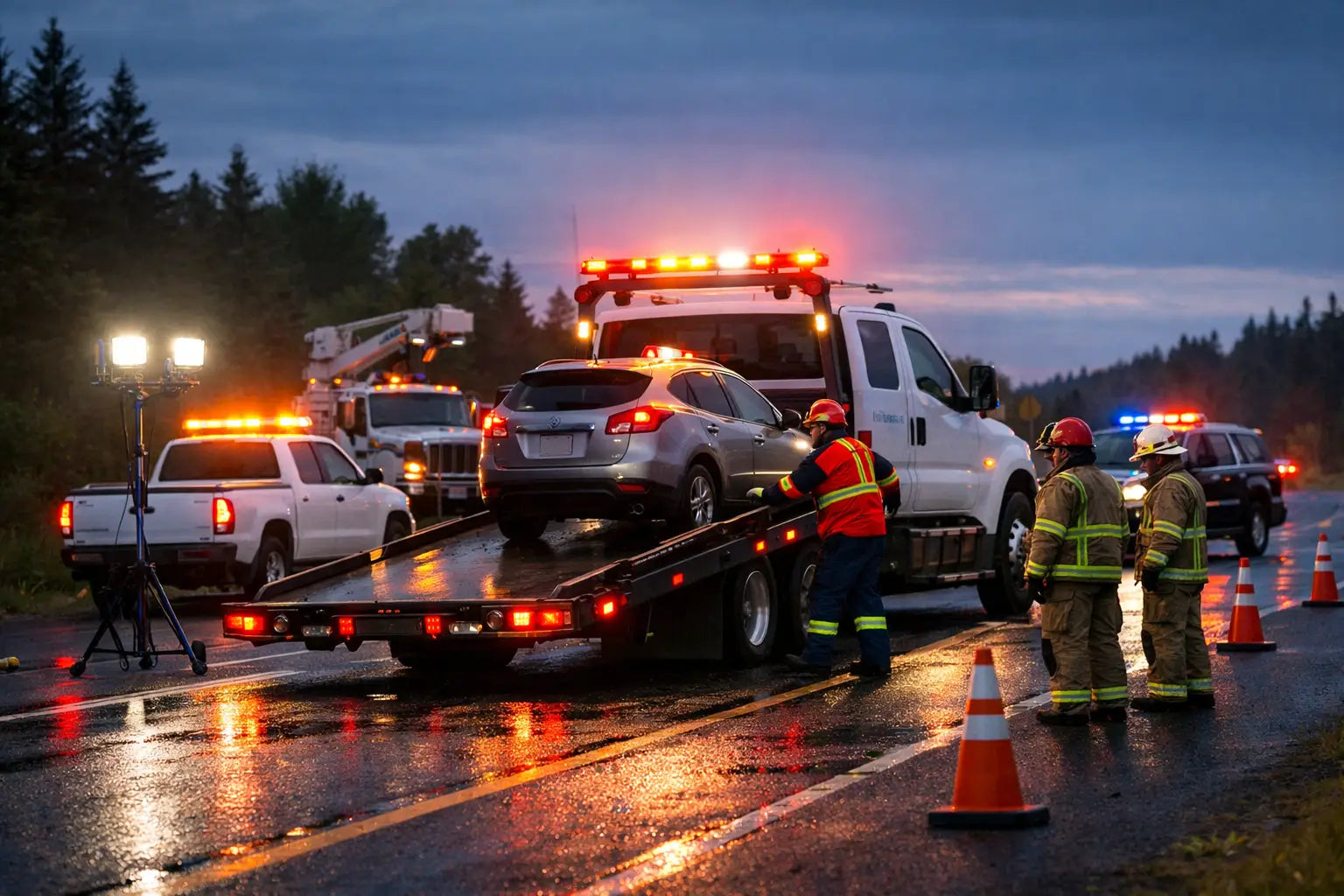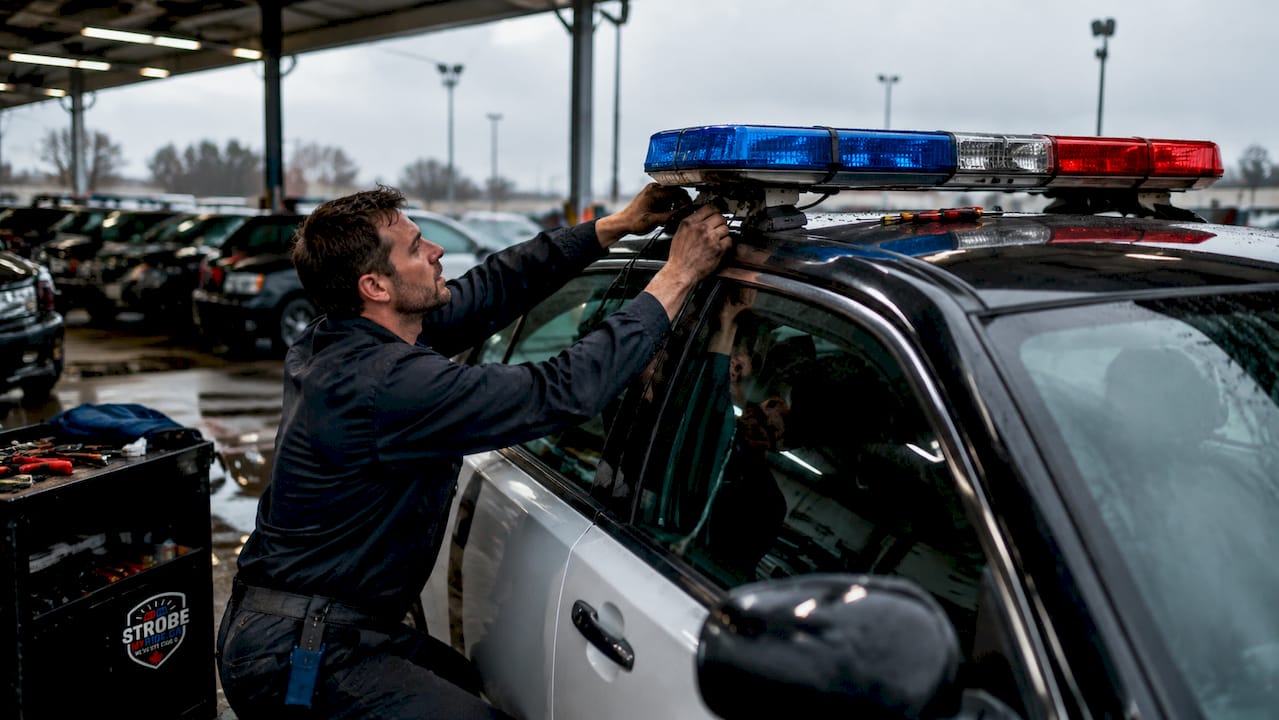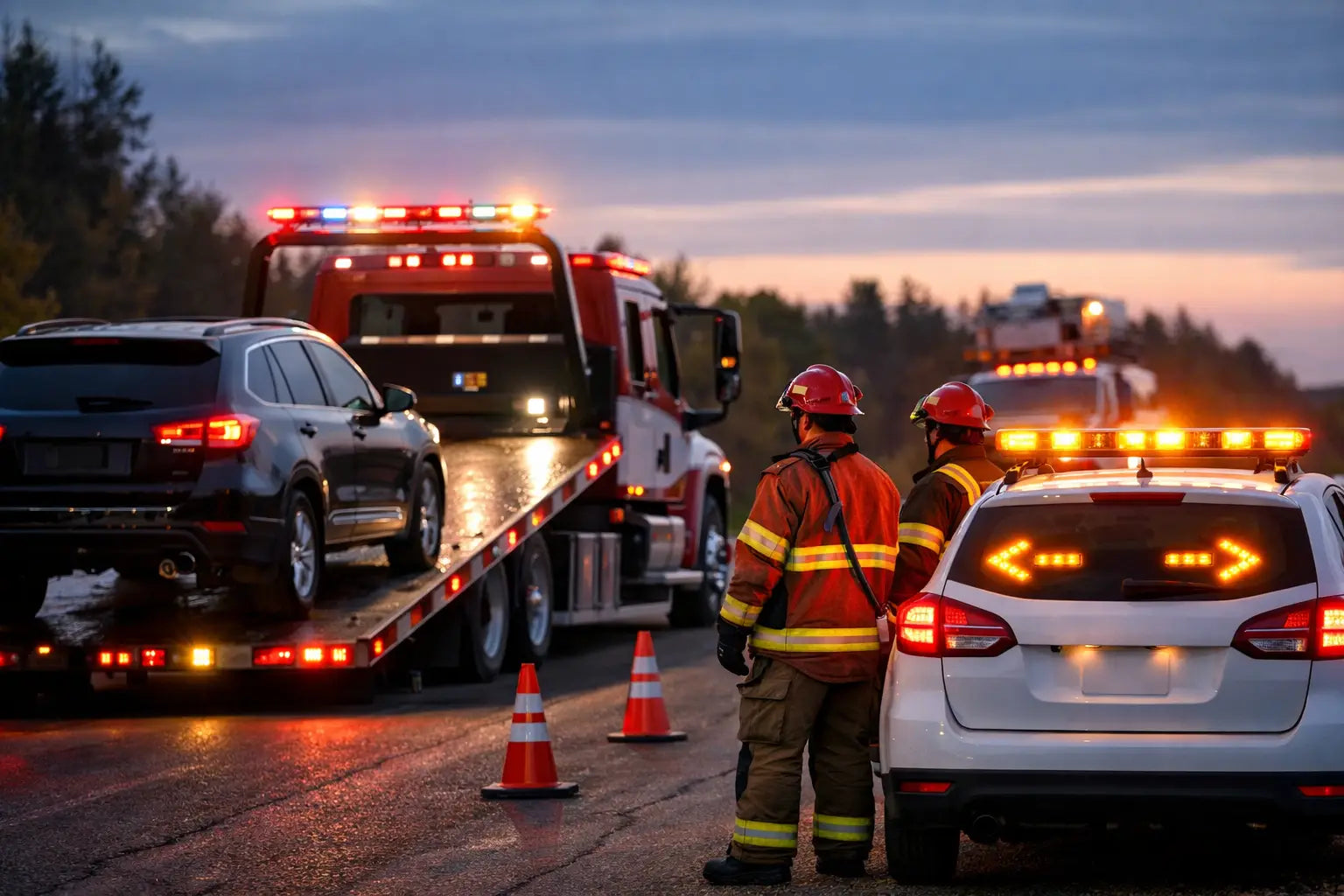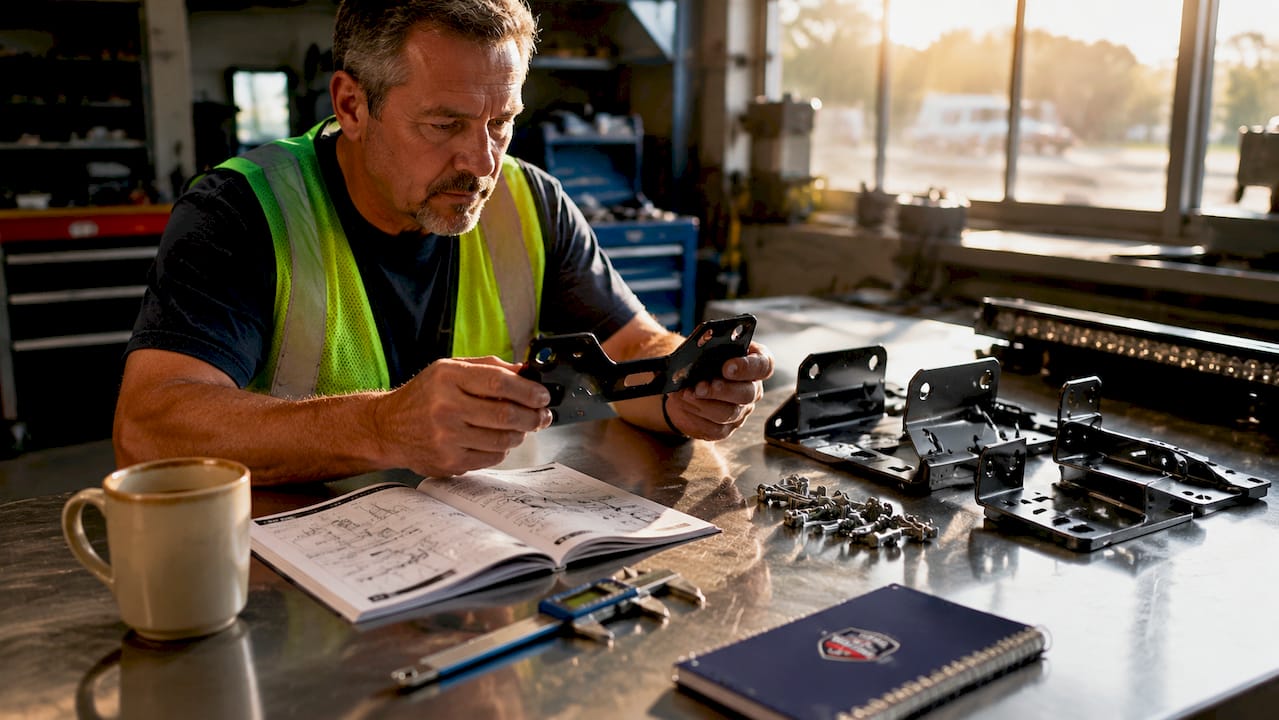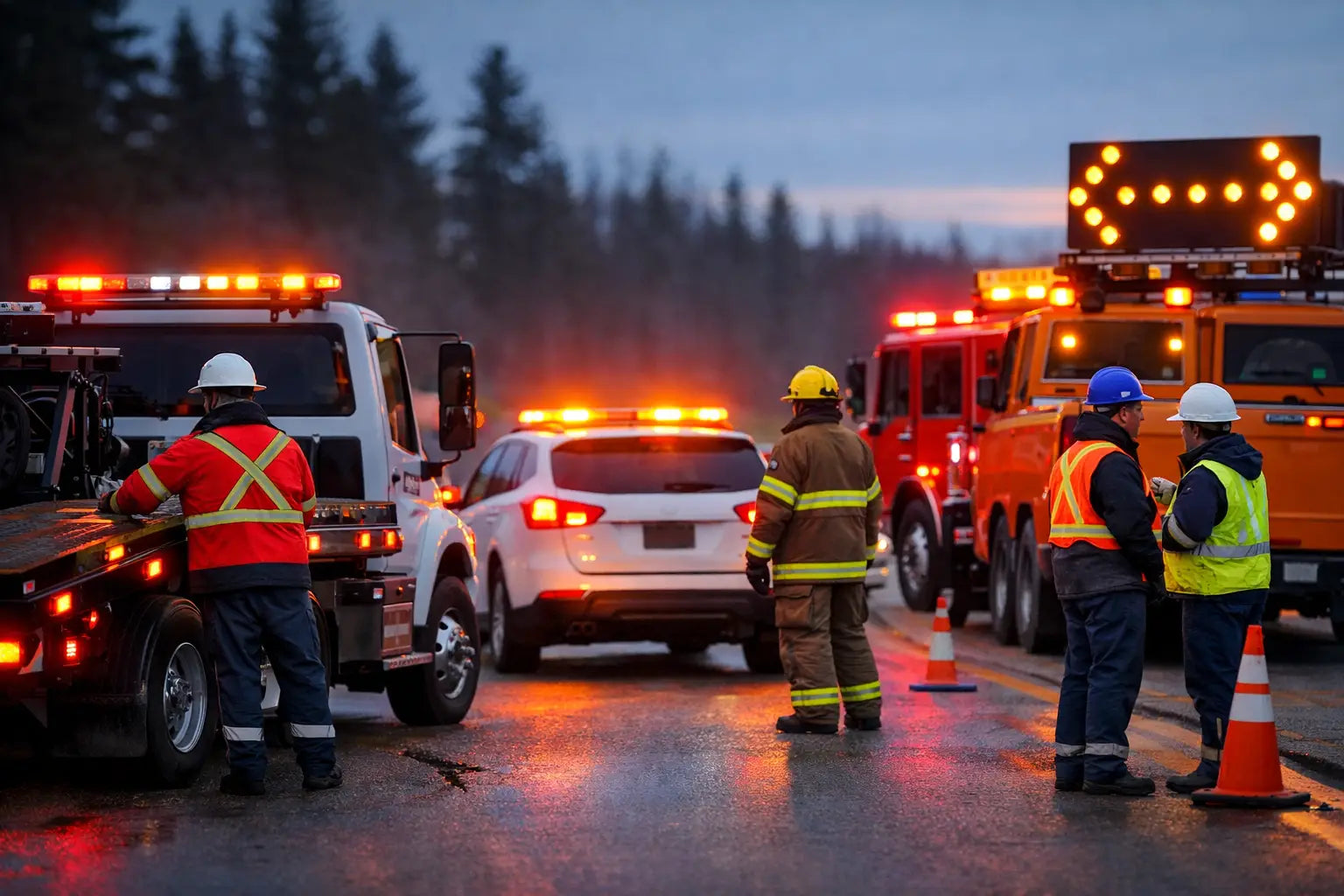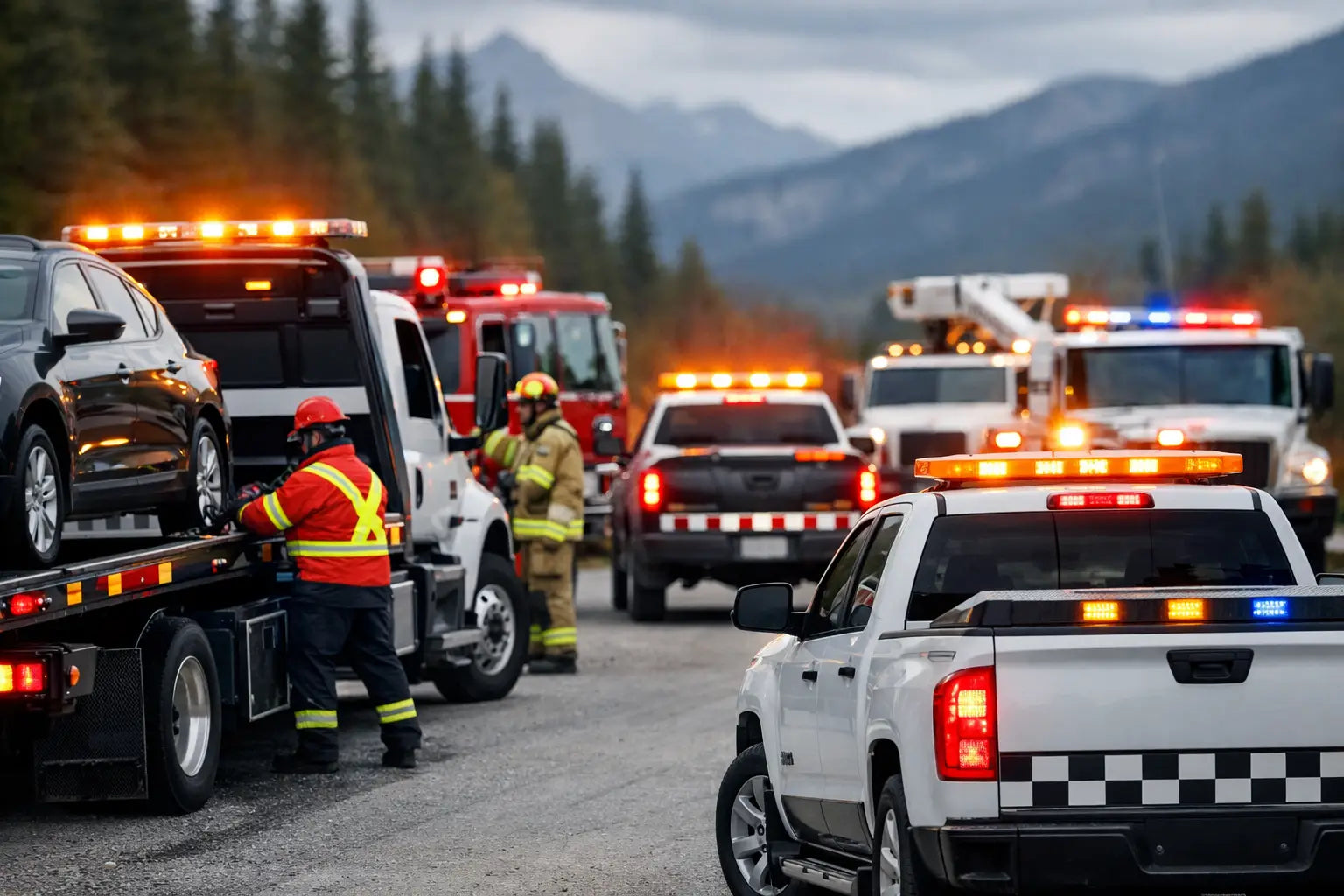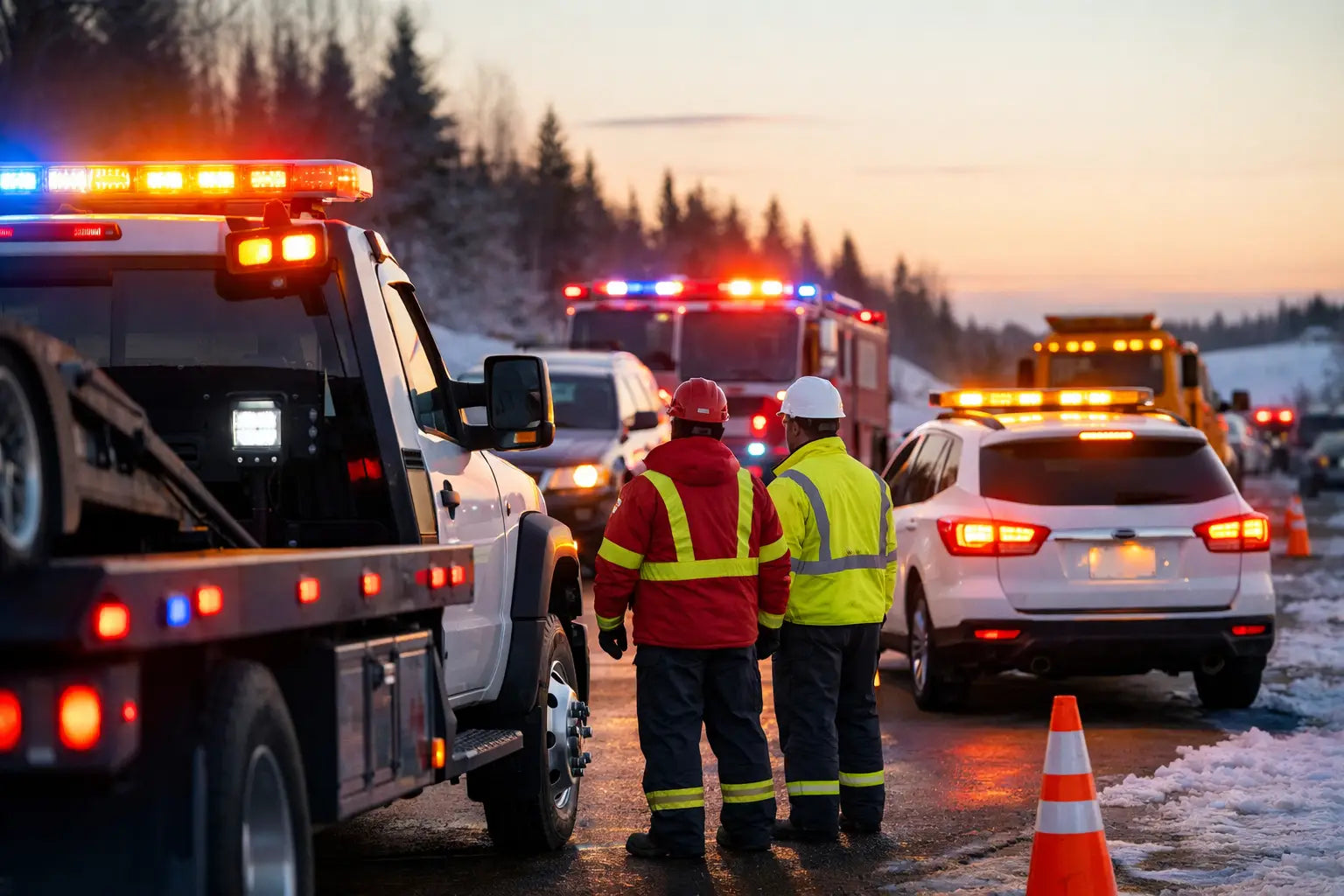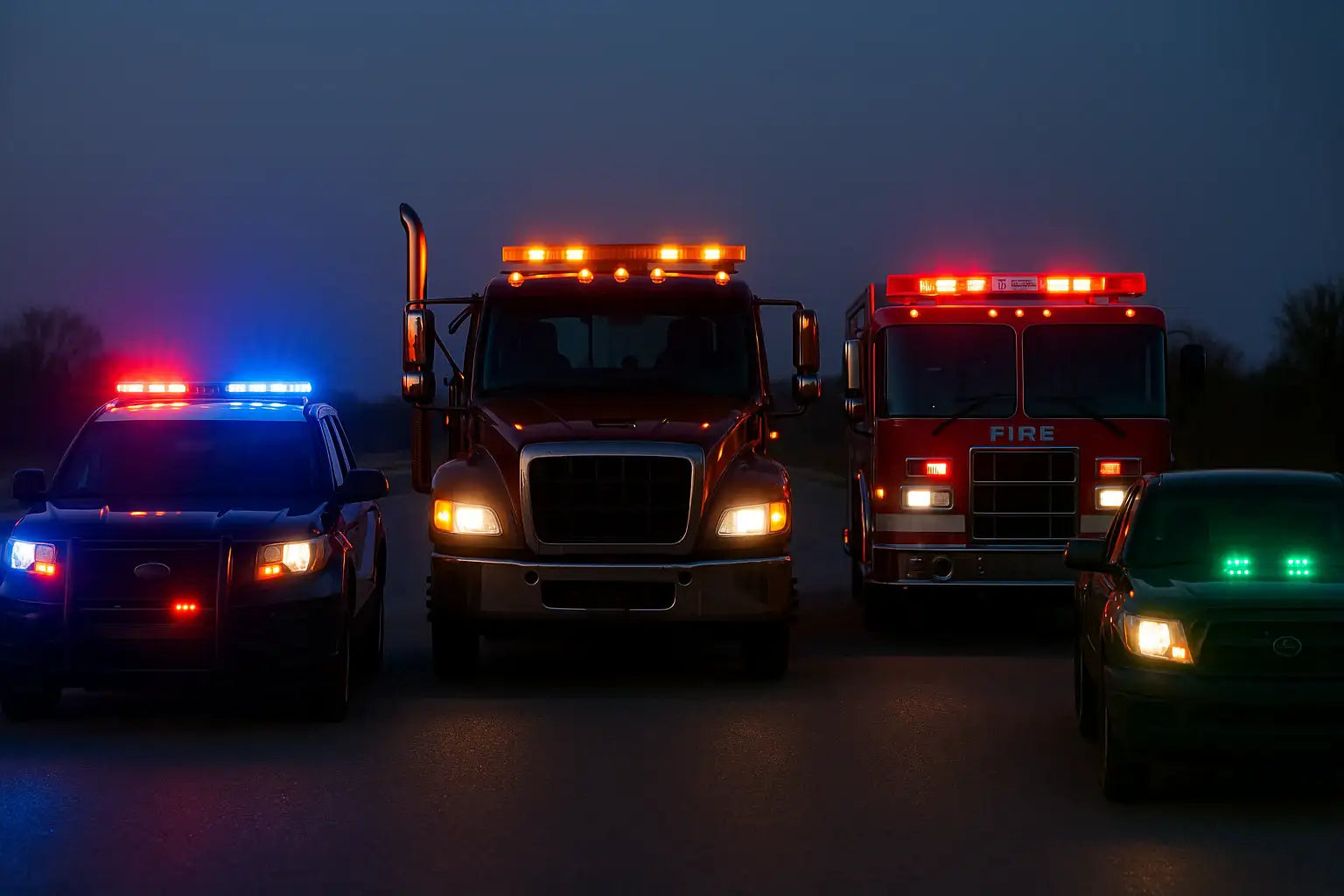

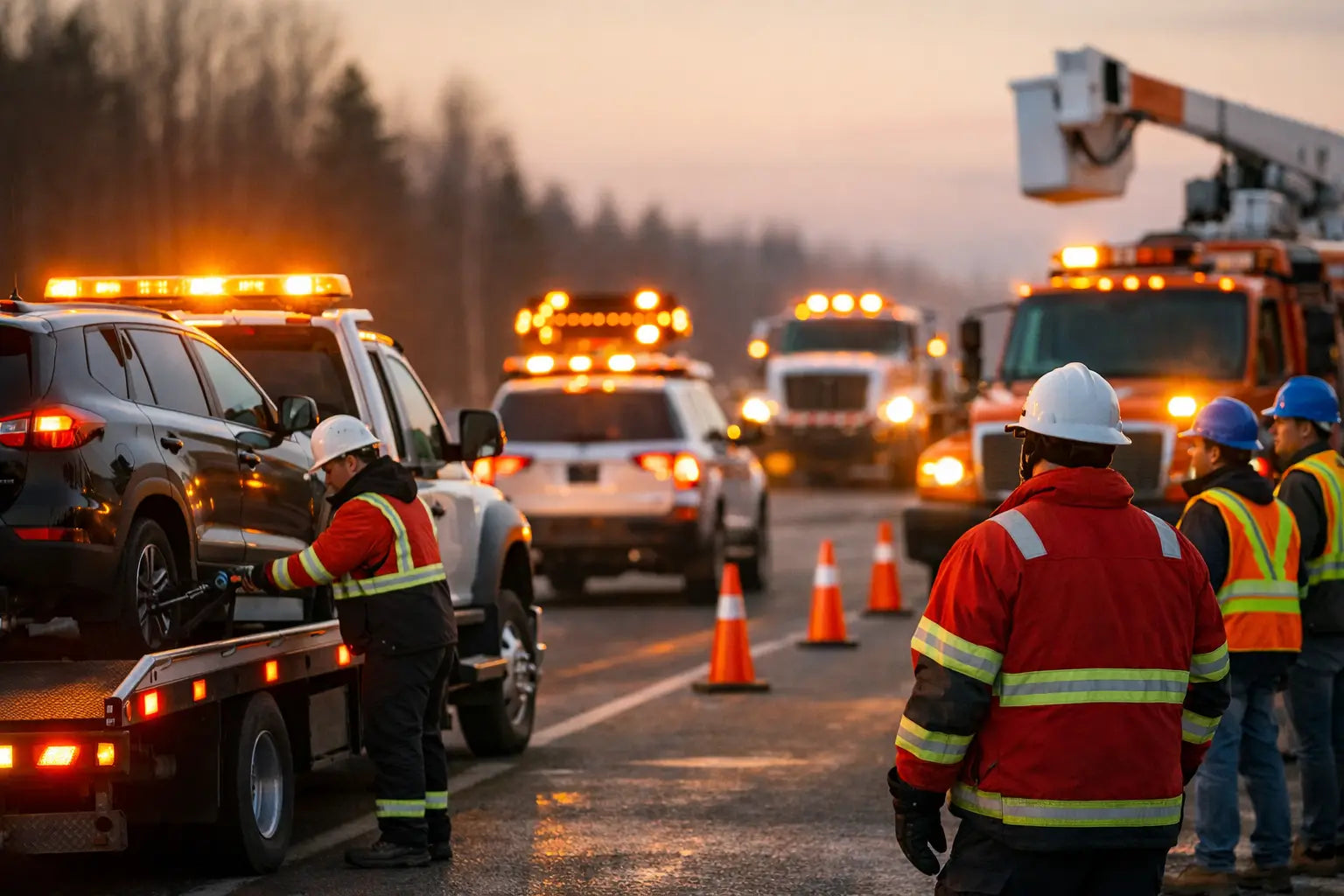
A pickup on the shoulder with one weak beacon is easy to miss in rain, road spray, or low winter light. That is where properly selected amber warning lights for work trucks matter. On real roads, with traffic moving at highway speed and workers stepping in and out of live lanes, visibility is not a cosmetic upgrade. It is part of your risk reduction plan.
For most fleets, amber is the right warning colour for non-emergency operations such as towing support, utilities, construction, road maintenance, pilot cars, snow work, and service vehicles. But buying the right light is not as simple as ordering the brightest unit you can find. The job, the vehicle layout, the operating environment, and the applicable standards all affect what works and what becomes wasted money.
Where amber warning lights make sense
Amber lighting is generally used to alert approaching traffic that a vehicle is present, slow moving, stopped, working, or creating a temporary roadside hazard. That covers a wide range of trucks - half-ton service pickups, one-ton utility bodies, dump trucks, cube vans, highway maintenance units, and tow support vehicles.
In practice, amber is effective because drivers recognize it as a caution signal. The goal is not to overpower every other light source on the road. The goal is to create early recognition and clear vehicle conspicuity so motorists adjust sooner. That matters in plow routes at dawn, utility work on narrow shoulders, and construction staging areas where traffic is already overloaded with signs, cones, and visual clutter.
Amber also makes sense when you need warning capability without suggesting emergency response status. For commercial and municipal fleets, that distinction matters operationally and from a compliance standpoint. Requirements vary by province and application, so fleets should always confirm what is expected for their use case before finalizing a lighting package.
What to look for in amber warning lights for work trucks
The first thing I tell fleet buyers is to stop shopping by photo alone. A light that looks impressive in a product image can disappoint badly once it is mounted on a dirty truck in freezing rain.
Start with the performance standard. SAE J595 and SAE J845 are commonly referenced in warning lighting, and the rating matters because it tells you the light has been tested to a recognized photometric standard rather than simply marketed as "high intensity." If the truck operates in higher-risk roadside conditions or you need stronger long-range warning performance, SAE Class 1 equipment is often the better fit. If the operating environment is lower speed or lower exposure, another rating may be appropriate. It depends on where and how the truck works.
Next is flash pattern control. More patterns do not automatically mean better performance. In the field, badly chosen patterns can be distracting, especially when several lights on the same truck are unsynchronized. A clean, deliberate flash pattern usually outperforms a chaotic setup. The best systems create 360-degree warning without turning the truck into a rolling light show.
Durability matters just as much as output. Work trucks deal with salt, vibration, pressure washing, branches, gravel, and year-round temperature swings. Polycarbonate lenses, sealed housings, proper gaskets, and quality wiring are not premium extras. They are what keep the system working after a season of real use.
Light type matters more than most buyers think
Not every work truck needs the same style of warning light. The right choice depends on body style, roof space, job task, and how the vehicle is used when parked.
A full-size lightbar gives excellent all-around visibility and is often the best option for highway-facing work, utility fleets, municipal trucks, and service bodies that spend time stopped on the shoulder. It provides strong off-axis warning and can often integrate traffic advisor functions. The trade-off is added height, wind load, and possible clearance issues in garages or wash bays.
Beacons are simple, effective, and still a solid fit for many trucks. A single beacon can work on smaller units or low-complexity applications, but one beacon is often not enough for larger vehicles or high-speed roadside exposure. Dual beacons or a beacon combined with perimeter lighting usually gives a better result.
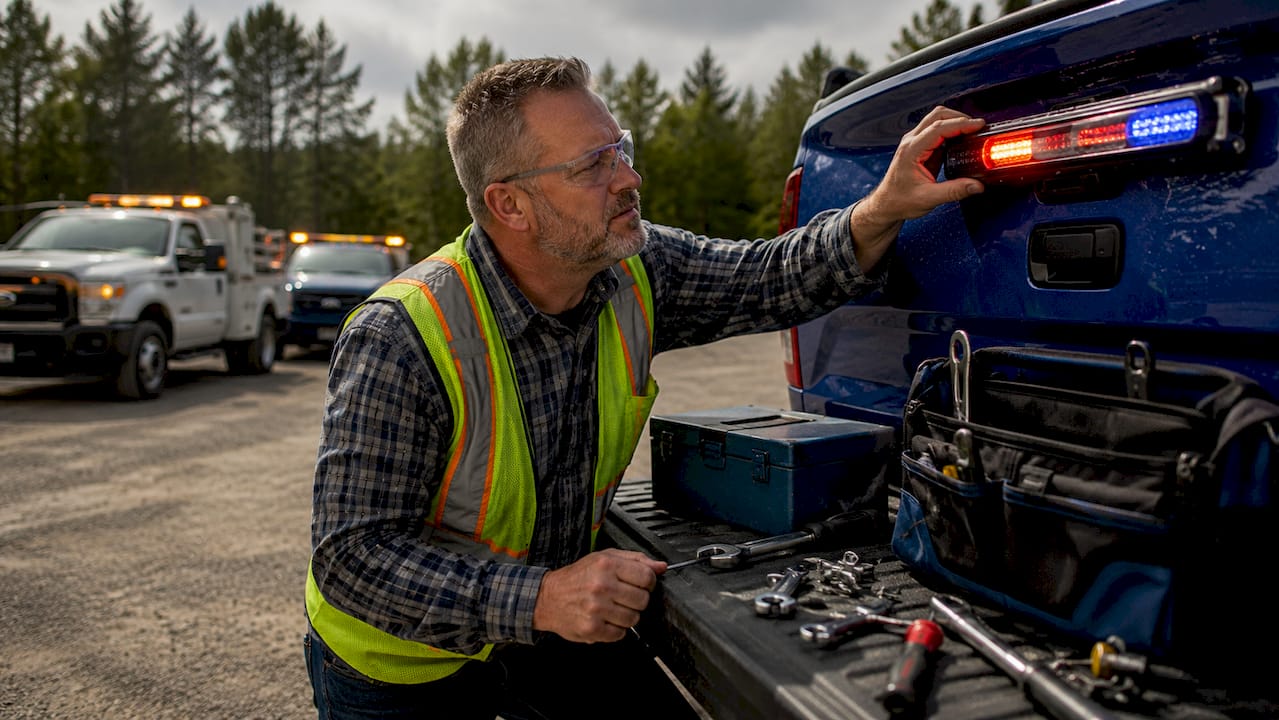
Surface mount warning lights are one of the most useful tools in a proper truck package. They can be mounted at the grille, headache rack, rear body corners, tailboard, or rack structure to fill blind spots that roof lighting misses. On utility and construction bodies, surface mounts often do more for side and rear recognition than the roof light alone.
Hideaway lights are helpful when you want a cleaner install or need to add warning capability without external hardware in vulnerable locations. They can work well in headlamp or taillight housings if the application supports it, but they should not be treated as a complete replacement for a properly designed warning system on higher-risk trucks.
Placement is what makes the system work
A good light in the wrong spot performs like a bad light. That is a lesson many fleets learn after the first complaint from drivers who say, "You can see it from the front, but the rear disappears on the shoulder."
Every work truck needs balanced visibility to the front, sides, and rear. Front warning helps with approach recognition. Side warning matters at intersections, lane closures, and offset shoulder positions. Rear warning is critical when the truck is parked or moving slowly in live traffic.
Vehicle shape changes the lighting plan. A pickup with a cap, ladder rack, or tool body has more visual blockage than a plain cab-and-bed truck. A dump truck with a tarp system, salter, or high tailgate can block rear-facing lights. A service body with side compartments may need side-mounted warning farther back than expected to stay visible from an angle.
This is also where traffic advisors come into play. On trucks working in active roadside environments, directional lighting can help communicate lane movement or merge direction more clearly than warning flash alone. That said, a traffic advisor is not a substitute for proper work zone setup, signage, or worker positioning.
Brightness helps, but glare is a real problem
More output is not always better. At night, in yards, on urban streets, or when crews are working close to the vehicle, excessive intensity can create back-glare and reduce comfort for both workers and passing motorists.
That is why dimming modes, night modes, and controlled flash patterns are worth paying attention to. The best truck setups are visible at distance without becoming punishing up close. This is especially relevant for tow support, road service, snow operations, and municipal work where trucks may spend long periods stationary with crews nearby.
The same principle applies to scene lighting and work lights. They serve a different purpose than warning lights. Scene lights help crews see the task area. Warning lights help the public see the vehicle. When those functions get mixed together, you often end up with poor visibility management and unnecessary glare.
Build for total cost, not just purchase price
Cheap warning lights usually cost more by the second winter. Failed modules, water intrusion, weak magnets, brittle wiring, and poor flash control all create downtime and repeat labour. For a single owner-operator, that is frustrating. For a fleet, it becomes a maintenance problem and a consistency problem.
A better buying approach is to look at expected service life, warranty support, replacement availability, and ease of installation. Standardizing light types across similar truck classes can reduce spare inventory and simplify repairs. It also gives drivers a more consistent operating experience across the fleet.
This is one area where professional-grade equipment earns its keep. Not because it sounds fancy, but because it is built for real work. Fleets that spec SAE-rated LED systems, weather-sealed components, proper switch control, and application-specific mounting usually get better reliability and fewer headaches over time.
Compliance and safety are part of the specification
Warning lights should be selected with standards and local operating requirements in mind, not added as an afterthought. SAE references such as J595, J845, and J2498 can help buyers compare equipment more intelligently. Transport Canada considerations, provincial highway traffic rules, and work zone safety requirements may also affect colour, placement, and use depending on the vehicle and operation.
That does not mean there is one universal answer for every truck in Canada. There is not. A municipal road unit, a pilot car, a private contractor pickup, and a utility service body may each have different practical and regulatory considerations. Verify the requirements that apply to your operation and build from there.
If you are outfitting multiple units, document your lighting spec the same way you would document tires, mirrors, or cargo equipment. That keeps installs consistent and makes future replacements easier. It also helps when you are training drivers on proper use, especially where different flash modes or directional functions are involved.
A well-planned warning package does one thing very well - it makes your truck easier to recognize, sooner, in the conditions where that recognition matters most. If you are specing lights for a new build or replacing a tired setup, think like an operator, not a shopper. The right system is the one that still performs after months of weather, vibration, and roadside use, when visibility is no longer a brochure feature but part of getting everyone home safely.