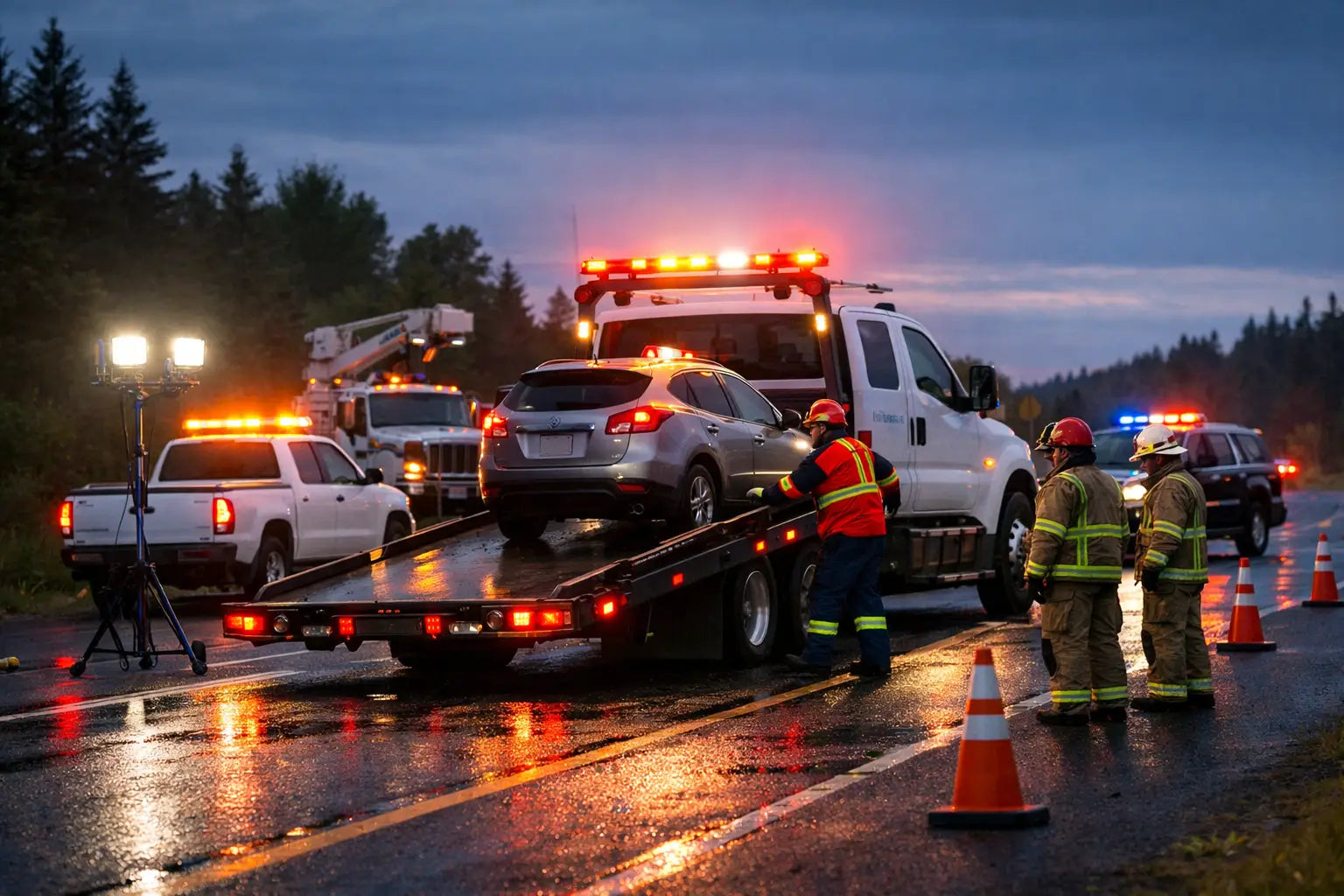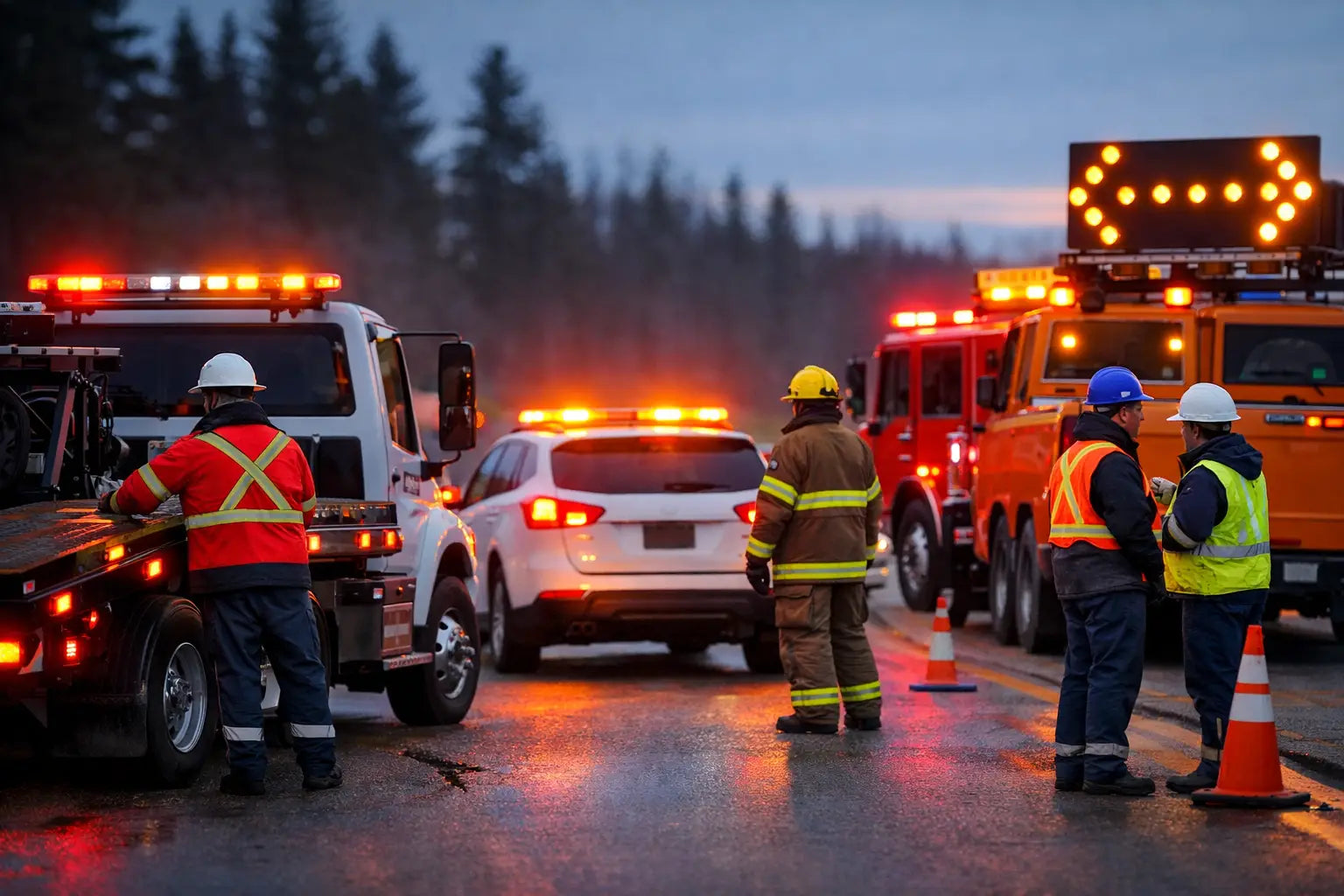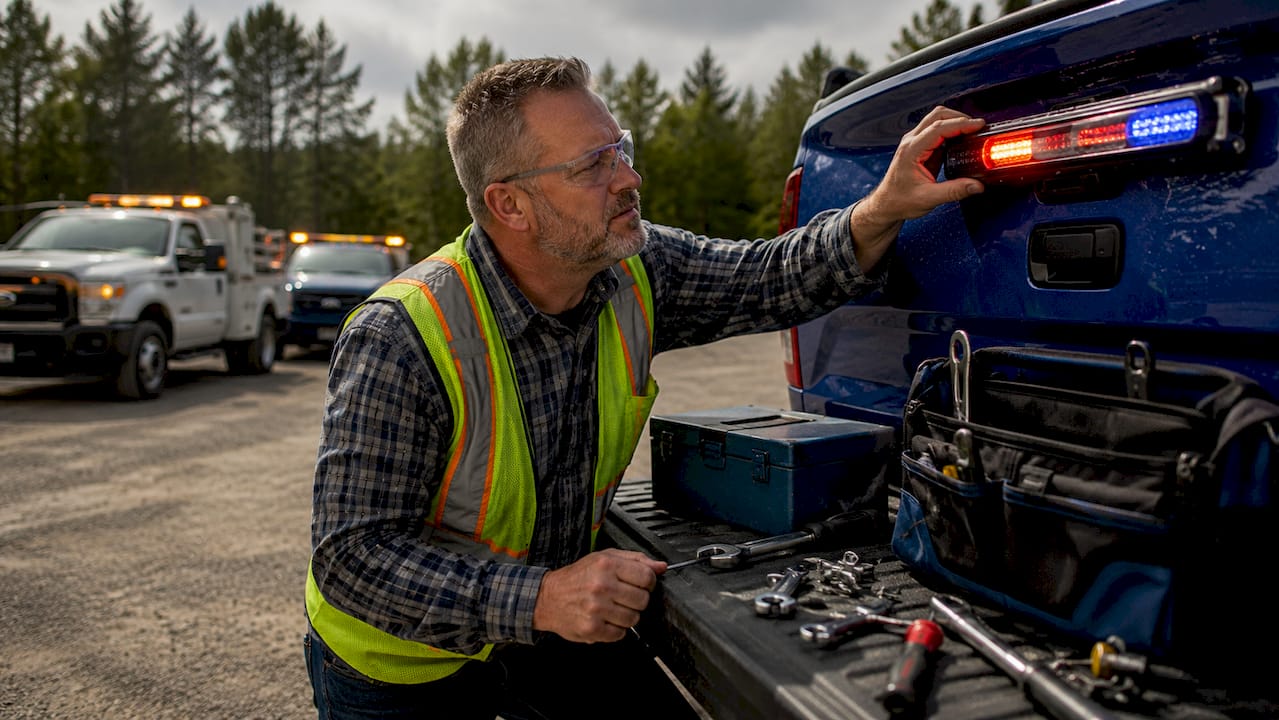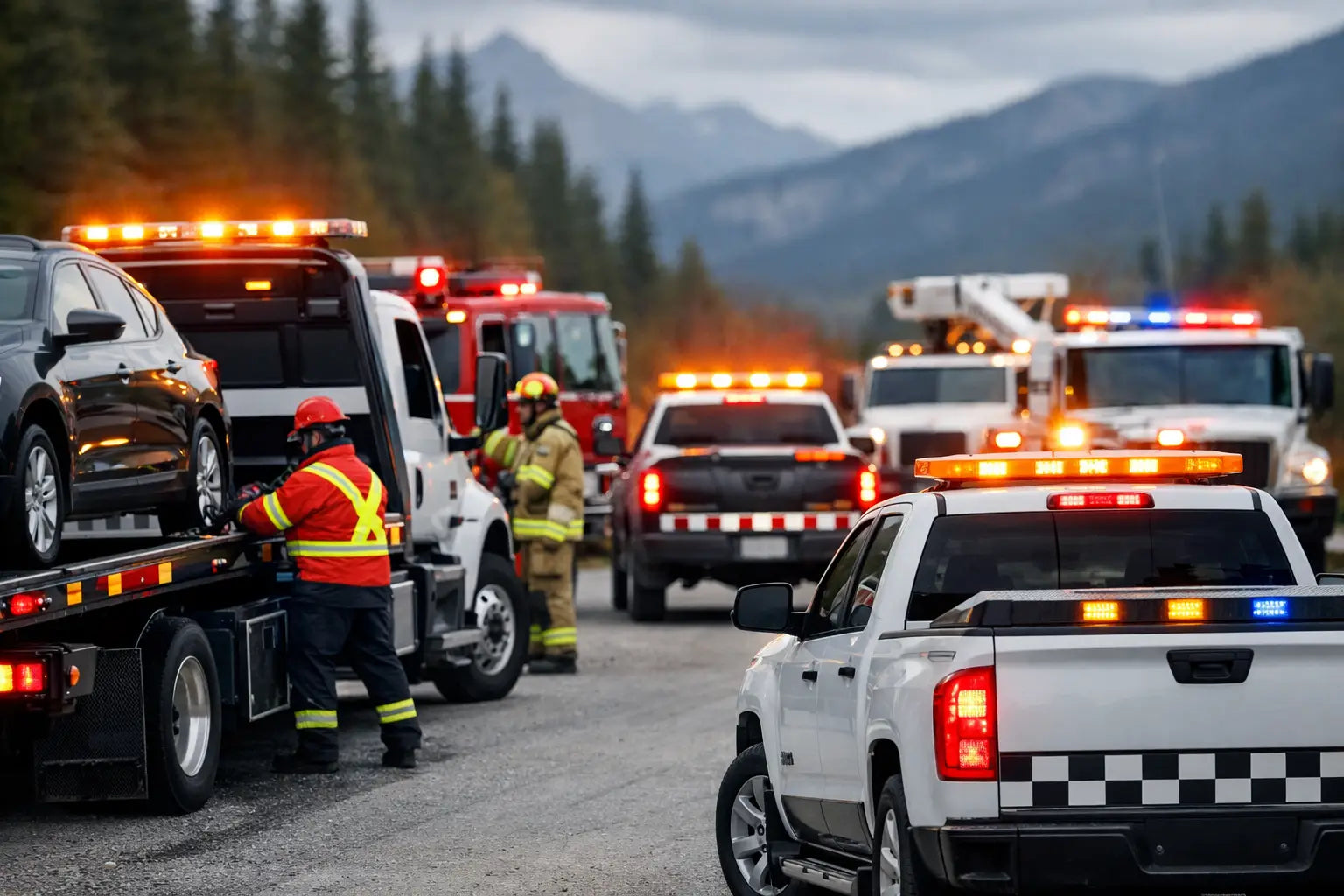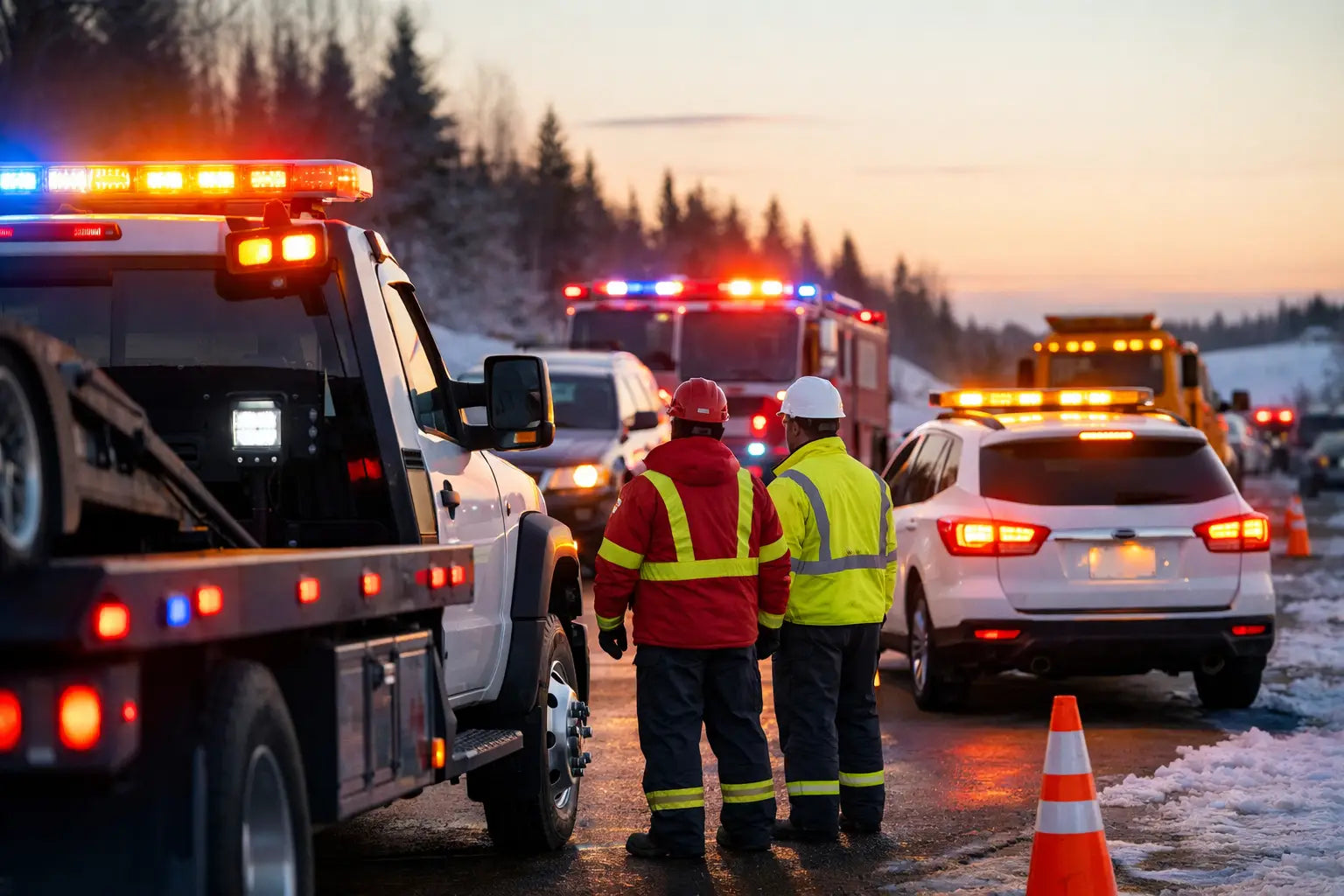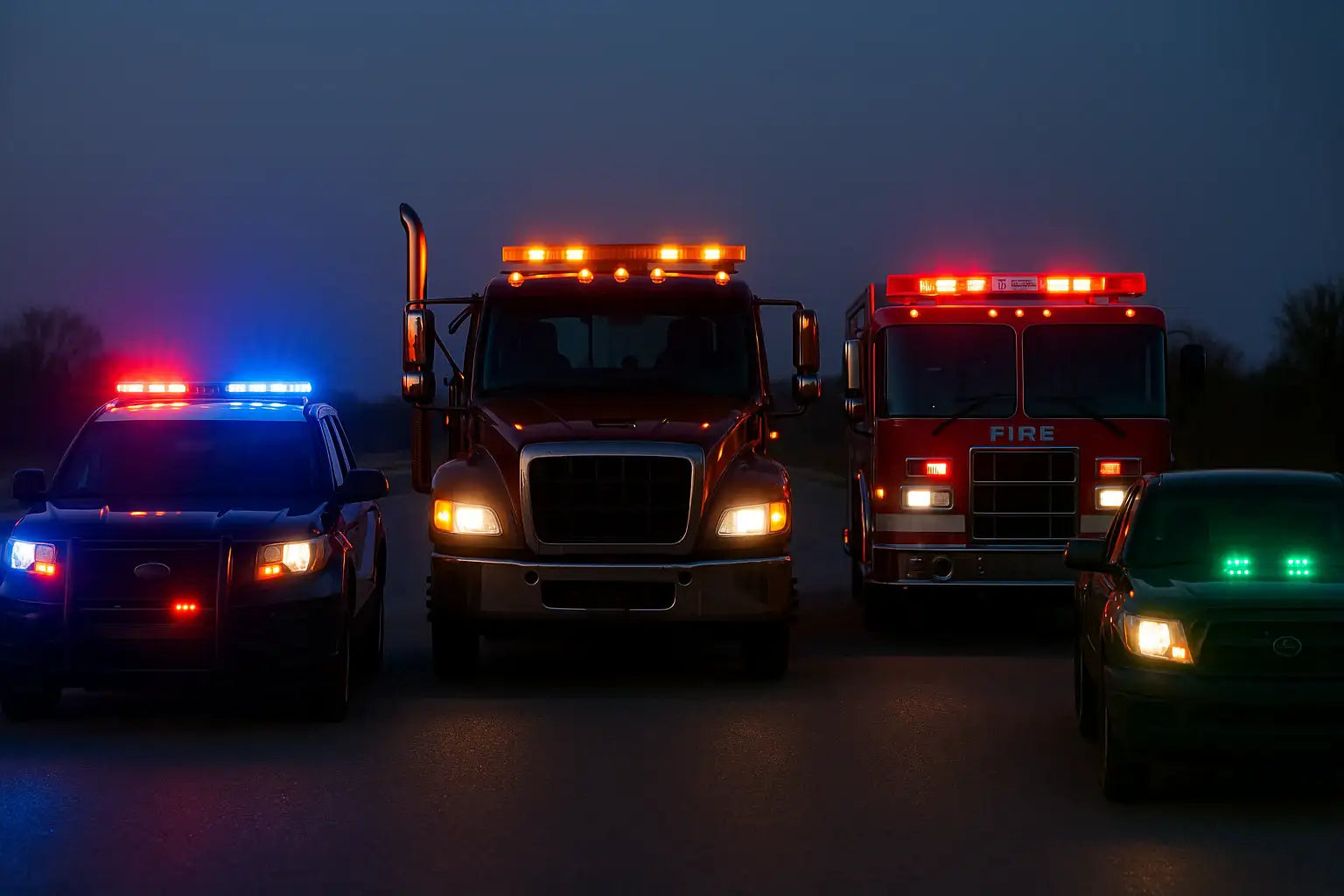

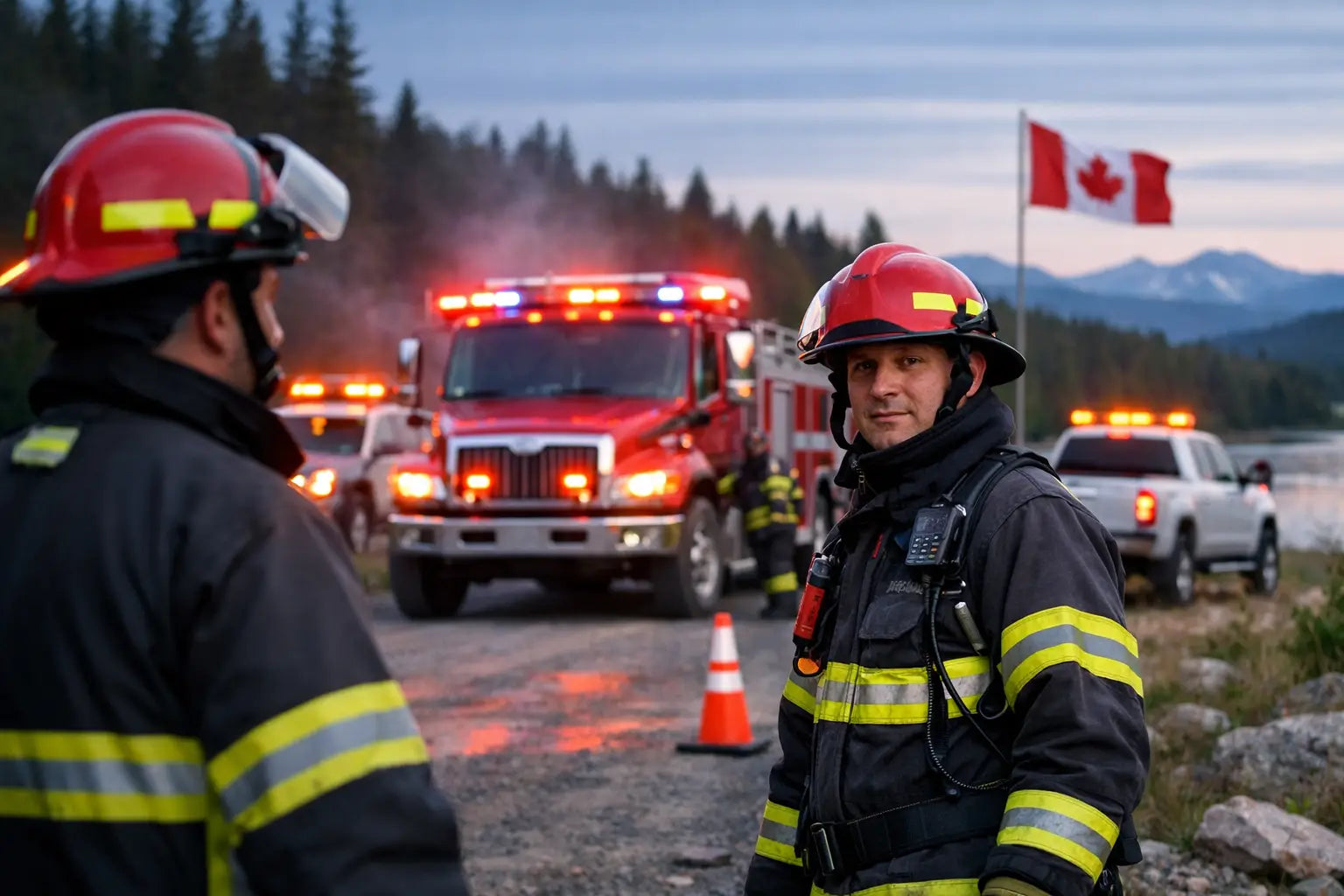
When a volunteer firefighter is heading to a hall call-out or arriving first on scene in a personal vehicle, visibility matters fast. Choosing volunteer firefighter lights Canada buyers can trust is not about bolting on the brightest light you can find. It is about being seen clearly, reducing confusion for other drivers, and building a setup that holds up in real roadside conditions.
That distinction matters more than people think. In the field, I have seen warning lights mounted too low, wired poorly, aimed badly, or chosen with no regard for beam pattern, flash intensity, weather performance, or provincial rules. The result is often a vehicle that looks busy but does not communicate well. Good warning lighting is not decoration. It is a visibility tool.
What volunteer firefighter lights in Canada need to do
For most volunteer firefighters, a personal vehicle lighting package has a simple job. It needs to catch attention early enough for approaching traffic to react, remain effective in rain, snow, fog, and glare, and avoid creating unnecessary distraction or backflash for the driver.
That means output alone is not the whole story. Optical design, mounting position, colour, flash pattern, and how the lights work together all affect real-world performance. A low-cost light with poor optics can look impressive in a garage and disappear on a bright winter afternoon. A properly rated unit with controlled optics will usually outperform it where it counts.
In Canada, buyers should also pay attention to recognized performance standards such as SAE J595 for directional warning lights, SAE J845 for 360-degree warning devices, and SAE J2498 where signal integration is part of the setup. These standards do not answer every application question, but they help separate professional-grade equipment from bargain-bin lighting that was never built for emergency or roadside work.
Volunteer firefighter lights Canada buyers should prioritize
The best setup depends on the vehicle and the role. A firefighter using a pickup in a rural district has different needs than someone responding in a compact SUV through urban traffic. Even so, a few priorities are consistent.
Start with where the vehicle is actually seen
Front warning is usually the first concern because that is where right-of-way recognition begins. Dash lights and visor lights can work well when the windshield angle allows a clean projection, but they are not always ideal in steeply raked glass or vehicles with heavy tint bands, cameras, sensors, or clutter around the mirror area.
Surface mount lights in the grille or on the push bumper area can improve frontal punch if they are mounted with proper spacing and not buried behind trim. Hideaway lights can add useful warning at the corners, but the headlamp or tail lamp housing design matters. Some housings scatter light well. Others kill output.
Side visibility is often overlooked, and that is a mistake. At intersections and on shoulder approaches, side warning may be what gives another driver enough notice to slow or move over. Compact surface mounts placed near the front fenders, mirror area, or rear quarter positions can make a major difference.
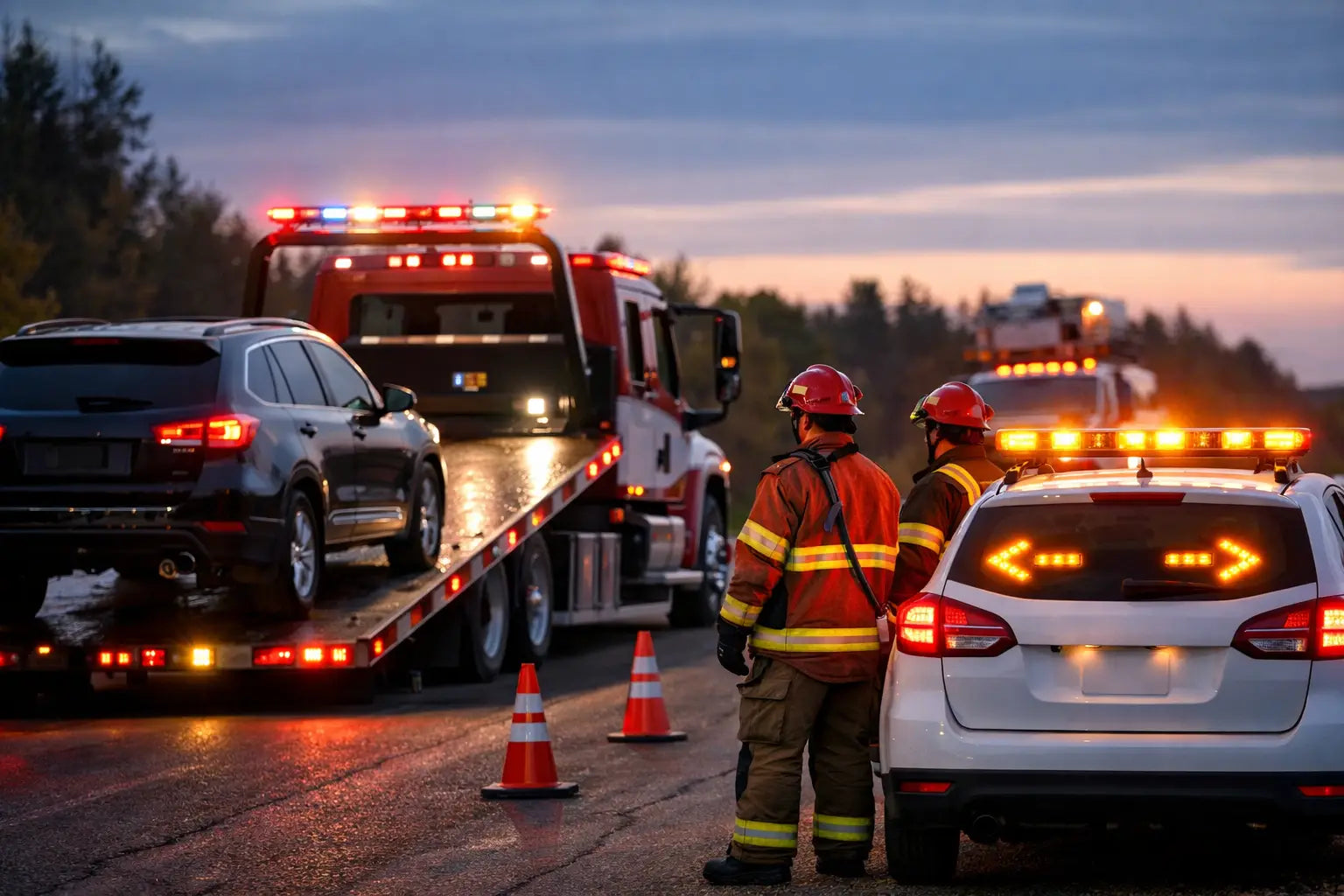
Rear warning needs to be thought through carefully. You want approaching traffic to recognize a stopped or slow-moving response vehicle, but you also need to manage glare and not overload the rear window with poorly directed flash patterns. In some applications, a small traffic advisor or rear deck lighting can add directional value, especially if the vehicle may be parked near an incident scene. As always, the intended use and local rules need to be checked before finalizing the setup.
Choose SAE-rated equipment over generic imports
This is where a lot of buyers either save money properly or waste it badly. Professional-grade SAE-rated lighting is built around tested optical performance, durability, and electrical stability. The cheap alternative may be advertised as high power, but many of those units have weak optics, poor sealing, low-grade wiring, and inconsistent flash modules.
On a volunteer firefighter vehicle, that usually shows up at the worst time - water intrusion after a winter wash cycle, failed modules during a cold snap, mounting brackets that rust early, or a power supply that introduces radio noise and electrical issues. Total cost of ownership matters. Replacing junk twice is rarely cheaper than buying proper equipment once.
Think about Canadian weather and road grime
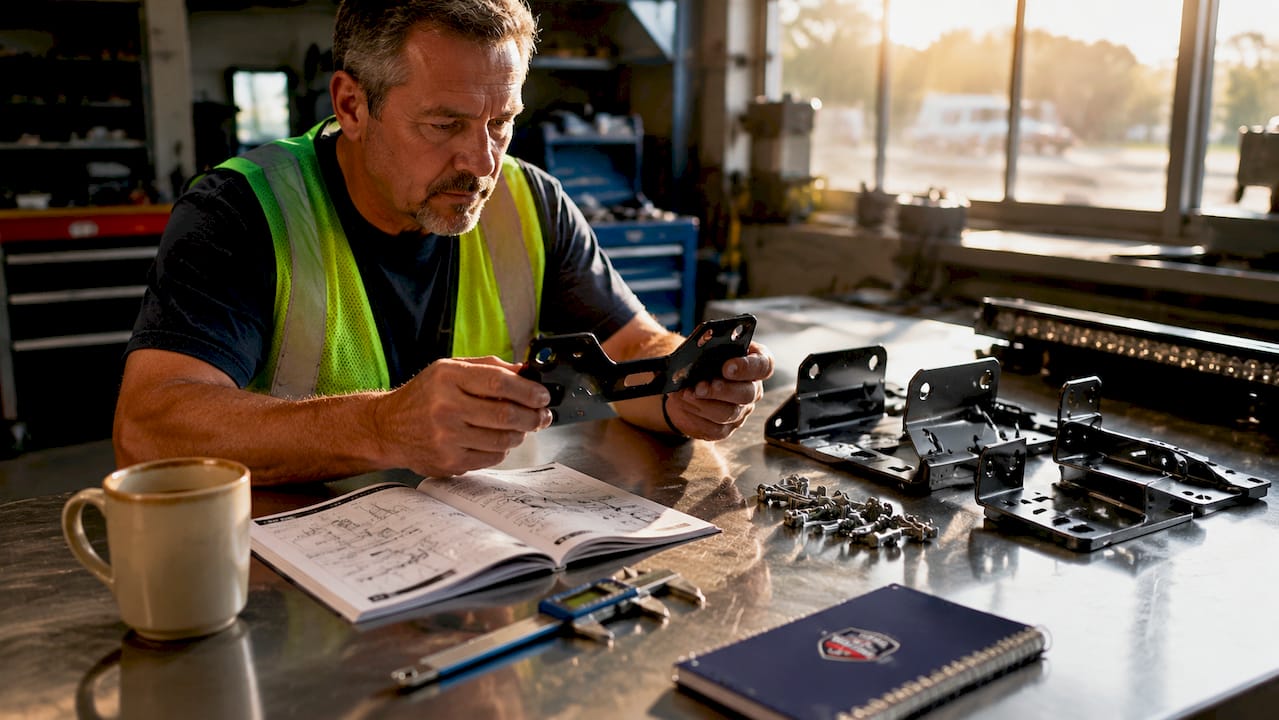
Snow, salt spray, slush, dust, and vibration are hard on emergency lighting. Lens design and housing quality matter, but so do connector quality, mounting hardware, and how the system is installed. A light rated for real fleet use should withstand temperature swings, moisture, and road shock without becoming a maintenance problem.
This is one reason external mounting still has advantages in many applications. Interior dash or visor lights are protected from weather, but they can lose effectiveness through dirty glass, window tint, defroster lines, and reflections. Exterior lights take more abuse, but if the product is built properly, they often provide stronger real-world warning.
Matching light types to the vehicle
There is no one-size-fits-all package.
A compact car or crossover usually benefits from a clean interior front light, a pair of discreet grille or front fascia lights where possible, and strong rear warning that does not eat up cargo space. A pickup often gives you more flexibility, especially if you can use mirror-area warning, grille lights, rear surface mounts, or a low-profile rooftop solution where permitted and practical.
SUVs are often the easiest personal vehicles to build properly because they offer usable rear glass, better mounting options, and more interior room for controllers and clean wiring. The trade-off is that rear tint and hatch design can reduce the performance of interior lights if not planned carefully.
If the vehicle sees double duty for family use, that changes the conversation. Low-profile, discreet lighting may be the better choice, but discreet should not mean underpowered. It should mean intentionally selected and properly placed.
Installation matters as much as the light itself
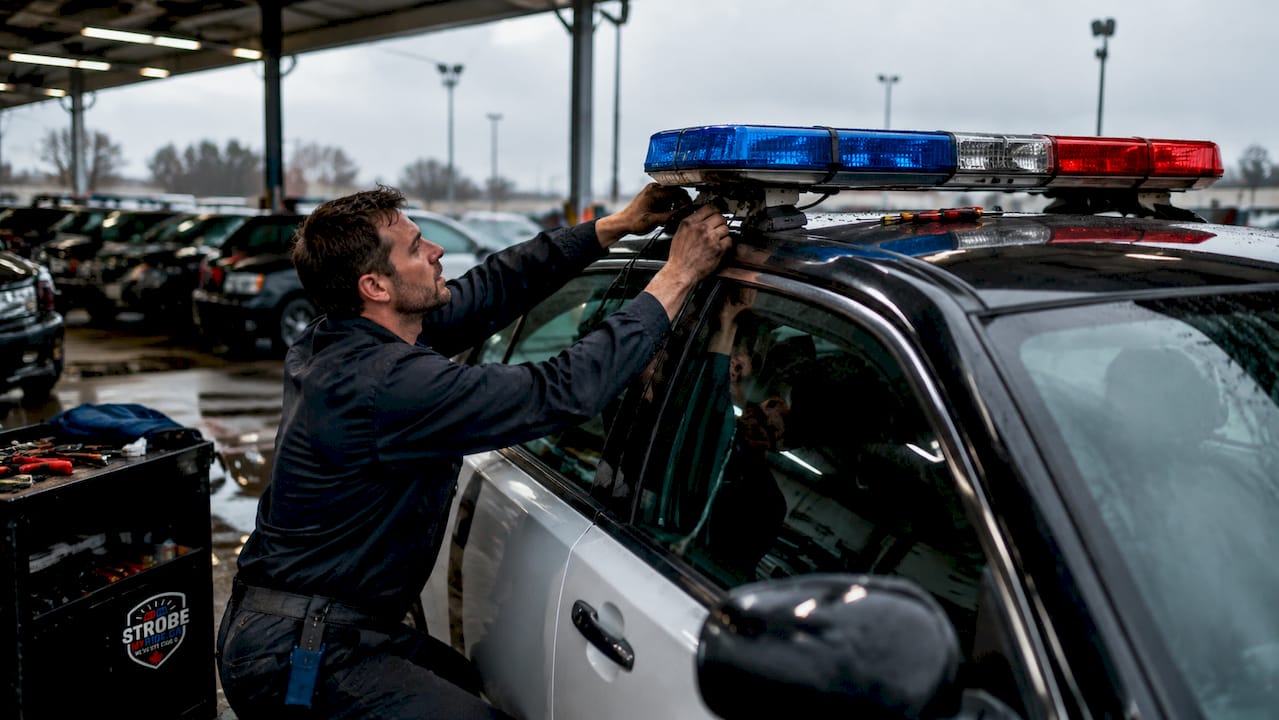
A high-quality warning light can still perform badly if the install is poor. I have seen expensive lights mounted behind solid grille bars, rear lights hidden by cargo, and wiring routed in ways that invite corrosion or intermittent failures.
Good installation starts with load planning. Know what the circuit is drawing, use proper fuse protection, and avoid overloading factory accessory wiring. Use quality connectors, secure grounds, protect wires through panels, and mount switches where the driver can operate them without looking away from the road.
Flash pattern selection matters too. More chaotic is not better. In many cases, a coordinated pattern with clear alternation is more effective than a fast, random burst that just creates visual noise. The goal is recognition, not entertainment.
Compliance awareness without guesswork
This is the part where buyers need to be disciplined. Rules on warning light colours, use of emergency lighting on personal vehicles, and when those lights may be activated can vary by jurisdiction. Transport Canada considerations, provincial highway traffic legislation, and local fire service policies may all affect what is appropriate.
That is why the right approach is to verify the requirements that apply to your province, your department, and your vehicle use. Do not assume a product is acceptable everywhere just because it is sold in Canada. Equipment selection should support visibility and operational needs, but it also needs to fit within the rules and policies you operate under.
For chiefs and purchasing officers, standardizing equipment across members can reduce confusion and simplify maintenance. It also helps create a more consistent warning profile when multiple responders arrive in personal vehicles.
What a practical setup often looks like
For many volunteer firefighter applications, a sensible package is built around three ideas: strong frontal warning, usable side visibility, and rear warning that works in poor weather and on dark roads. That might mean an interior visor or dash light paired with grille-mounted surface lights and rear deck or hatch lighting. In other cases, a compact beacon or mini lightbar may be the better fit if the vehicle and local rules support it.
The right answer depends on call frequency, travel routes, weather exposure, parking conditions, and whether the vehicle is used mainly for response or also for roadside scene support. If the vehicle may sit on the shoulder near an incident, scene lighting and traffic-direction capability may deserve more attention than they would on a vehicle used only to reach the hall.
At Strobe My Ride, this is usually where the conversation gets practical. Not what looks best in a product photo, but what works on a pickup in February, on a rural highway shoulder, with salt spray, snowbanks, and drivers who are distracted and late to react.
Buy for the job, not the screenshot
The safest buying decision is usually the one built around performance standards, mounting logic, weather durability, and realistic use. SAE-rated warning lights, proper installation, and a vehicle-specific layout will usually outperform a larger pile of random lights every time.
If you are selecting volunteer firefighter lights in Canada, think like an operator, not a hobbyist. Ask how the vehicle is used, where visibility is weak, what standards the equipment meets, how it will be mounted, and how it will hold up after a full winter of actual response work. The right setup is the one that helps other road users recognize you sooner and gives you one less thing to worry about when the pager goes off.