

A Class 1 beacon review means very little if it starts with colour options and flash patterns. Out on the shoulder, in a snow event, or at the edge of a live lane, the only question that matters is whether the beacon gets your vehicle noticed early enough to give drivers time to react.
That is why Class 1 matters. For many fleet and roadside applications, you are not buying a decorative amber light. You are buying conspicuity under poor angles, bad weather, dirty lenses, vibration, and long duty cycles. If the unit cannot hold output, stay mounted, and keep working after months of real use, the spec sheet stops mattering fast.
What a Class 1 beacon review should actually measure
A proper review starts with the standard, not the marketing. In the warning light world, SAE ratings such as J845 and J595 help buyers compare products against a recognized photometric benchmark. A Class 1 beacon is generally intended for higher intensity warning performance than lower-rated products, which is why it is commonly specified for tow units, fire command vehicles, roadside service trucks, utility fleets, snow and maintenance vehicles, and other equipment working in higher-risk environments.
That said, a Class 1 label alone is not enough. You still need to know how the beacon performs in the field. Some lights test well in ideal conditions but lose ground where it counts most - side visibility, daylight punch, heat management, water sealing, and long-term resistance to vibration.
A useful review should look at five things together: true warning output, optical spread, durability, installation quality, and total cost of ownership. Leave any one of those out and you can end up with a beacon that looked fine on delivery day but becomes a maintenance problem six months later.
Light output is only part of the Class 1 beacon review
Buyers often focus on raw brightness, and fair enough - if the light is weak, it will struggle in full sun or against LED headlamps and daytime glare. But a beacon can be bright and still not be effective. The better units control the beam well enough to produce useful off-axis visibility, not just a hot spot when viewed straight on.
This matters for tow operators loading at an angle, volunteer firefighters parked on a rural shoulder, and municipal units working in intersections where traffic approaches from multiple directions. A beacon with poor spread can leave dead zones that reduce early recognition. In real roadside work, that is a problem.
Flash pattern quality also matters. Some lower-end lights rely on frantic, messy patterns that look busy but do not provide clean visual signalling. Better beacons use patterns that are sharp, deliberate, and easy for approaching drivers to identify as a warning source. More flash patterns do not automatically mean better performance.
Daytime visibility versus night operation
A good beacon has to do two opposite jobs. It must stand out in daylight, but it cannot create excessive glare or reflection issues at night. This is where optics, lens design, and current regulation separate pro-grade units from cheap imports.
Night performance is often overlooked in a showroom review. On wet pavement, near reflective signs, or around snowbanks, overly harsh light can create back-glare and visual clutter. A well-designed Class 1 beacon remains attention-getting without becoming fatiguing for workers operating around the vehicle.
Mounting style changes real-world performance
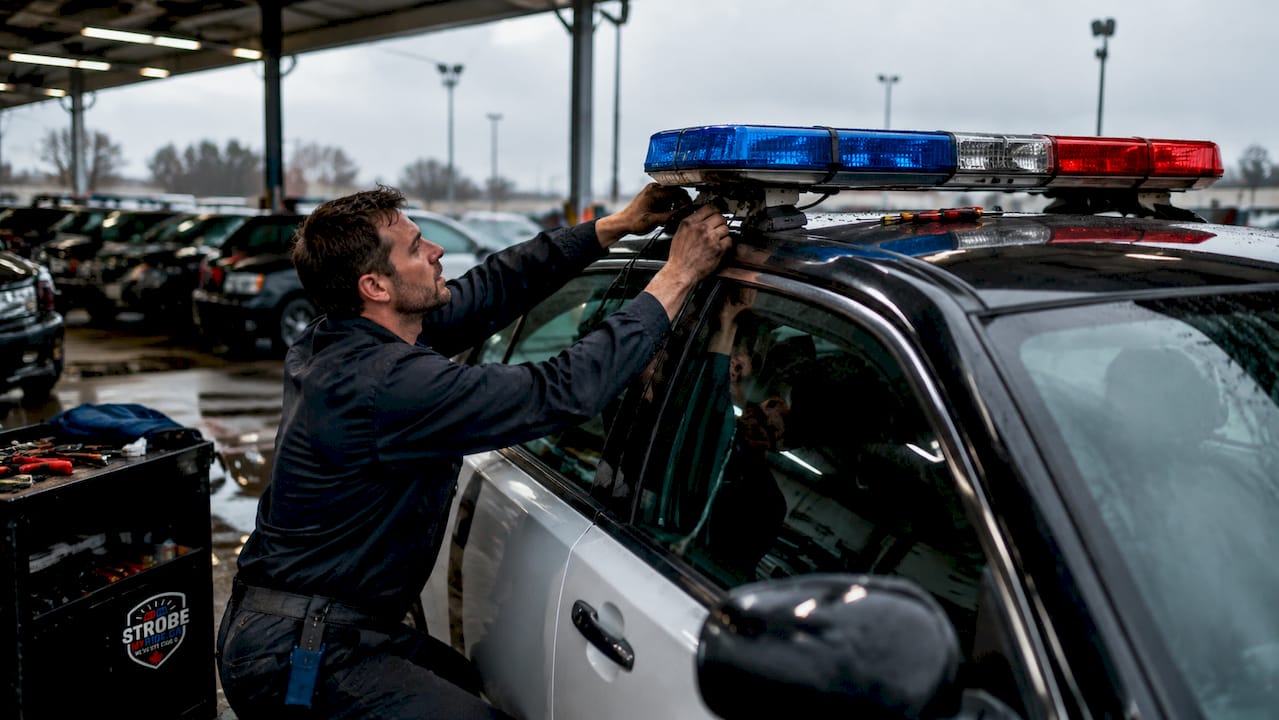
The best beacon in the world is useless if it shakes loose, fills with water, or gets ripped off by branches, snow, or overhead obstacles. Mounting style should always be part of any honest Class 1 beacon review.
Permanent mount beacons usually make the most sense for vehicles with regular warning-light duty. They are generally more secure, better sealed, and less prone to movement at highway speed. For fleet managers trying to reduce service calls, permanent mount often wins on total cost over time.
Magnet mount beacons have their place, especially for temporary use, supervisors, contractors, or multi-vehicle deployment. But there is a trade-off. Magnets depend heavily on roof material, cleanliness, speed, cable routing, and user discipline. They are convenient, not foolproof.
DIN mount and pole mount options work well in certain vocational setups, especially where quick replacement is valuable or where the vehicle body design limits roof access. They can be a smart choice on utility and municipal equipment, but only when the mount location protects the unit and preserves 360-degree visibility.
One beacon or a full warning package?
For some applications, a single Class 1 beacon is enough. For others, it is only one piece of the system. A pickup running occasional shoulder work may be adequately served by a high-quality roof beacon paired with proper markings and worksite procedures. A tow truck operating at night on 400-series highways or a traffic control vehicle working around curves may need a full warning package with additional perimeter lighting, directional lighting, and rear conspicuity.
This is where buyers get into trouble trying to solve every problem with one light. A beacon improves visibility, but it does not replace proper scene positioning, traffic control devices, high-visibility PPE, or vehicle markings. Good warning lighting is part of roadside risk reduction, not the entire plan.
Durability is where cheap lights usually fail
In fleet use, failure rarely starts with the LEDs themselves. It usually starts at the mount, the wire entry, the gasket, or the driver electronics. Heat cycles, salt, pressure washing, vibration, and UV exposure do the damage over time.
A beacon built for real work should have a solid base, dependable sealing, quality wiring, and electronics that can tolerate voltage variation. On plow trucks, service bodies, and heavy vocational units, vibration is not a minor issue. If the internals are poorly supported, lightheads can fail long before the housing shows obvious damage.
Lens material is another point buyers should not ignore. Impact resistance matters, but so does resistance to yellowing and surface wear. A scratched or hazed lens cuts effective output, even if the beacon technically still works. That shows up gradually, which is one reason fleets sometimes keep weak lighting in service longer than they should.
Warranty matters too, but only if the product is reliable enough that you are not constantly using it. A long warranty printed on a box is less useful than a beacon with low failure rates and readily available support.
Compliance awareness without guesswork
If you are reviewing a Class 1 beacon for fleet purchase, confirm the actual rating and test standard claimed by the manufacturer. Do not assume that "high power" or "commercial grade" means SAE Class 1. Those phrases are marketing language, not performance standards.
You should also verify whether the light colour, mounting location, and use case align with the regulations and operational policies that apply to your vehicle type and jurisdiction. Transport requirements, provincial highway legislation, municipal fleet standards, and company policies can all affect what is appropriate. That is especially true for fire, tow, pilot car, escort, utility, and public works applications.
The safe approach is simple: verify before you buy, and specify lighting based on the job the vehicle actually does.
A practical Class 1 beacon review for buyers
When I look at a beacon for real fleet use, I want to know how it performs after the novelty wears off. Can it maintain visibility through a dirty winter? Does it still feel solid after months on rough roads? Is the wiring heavy enough for service work? Is the lens easy to clean and inspect? Can a technician install it cleanly without creating future leak points or service headaches?
I also look at application fit. A compact beacon may be ideal on a supervisor SUV where clearance matters. A larger beacon may be the better call on a plow, tow unit, or utility body where maximum 360-degree recognition is the priority. There is no universal best option. There is only the right option for the vehicle, the environment, and the risk exposure.
That is why the best buying decision usually comes from matching the beacon to the operation rather than chasing the cheapest price or the most aggressive advertising. Professional buyers know that one failed warning light can create downtime, service costs, and unnecessary exposure on the roadside.
For fleets that want a no-BS standard, start here: confirm SAE Class 1 performance, choose a mounting style that matches how the vehicle is used, prioritize durability over gimmicks, and think of the beacon as part of a complete visibility plan. If the light is built for real work, installed properly, and suited to the job, it will earn its keep long after the box is gone.