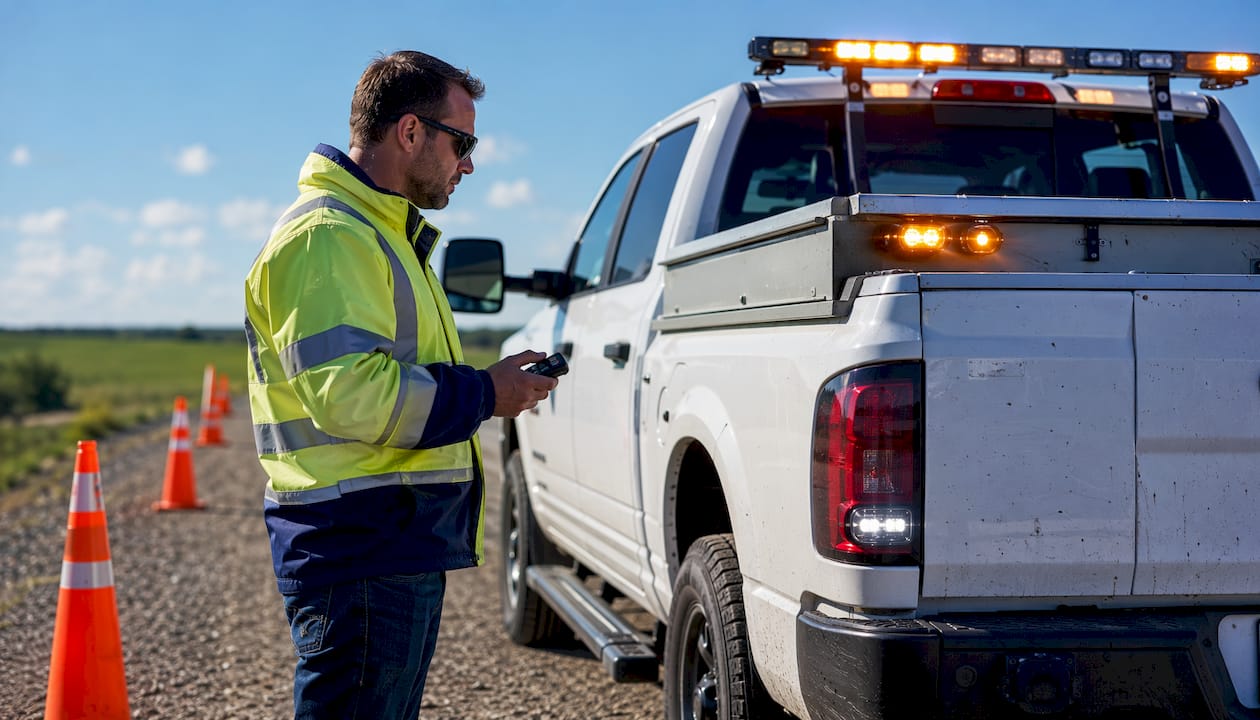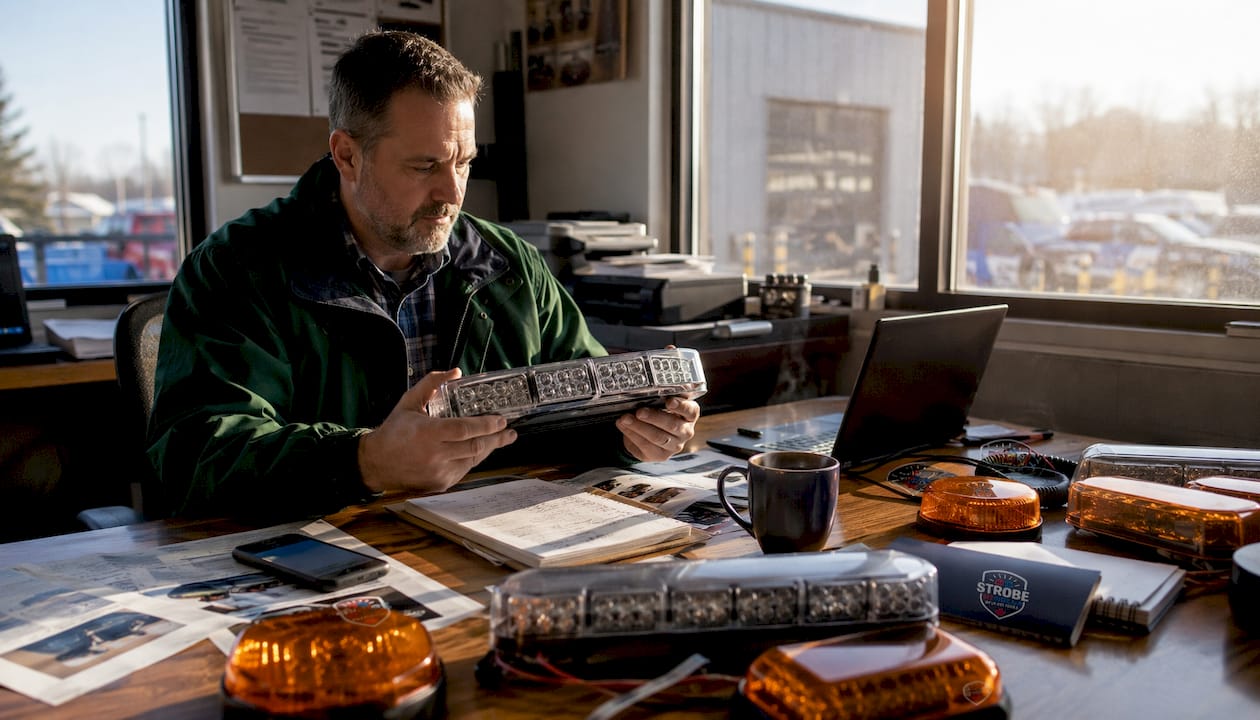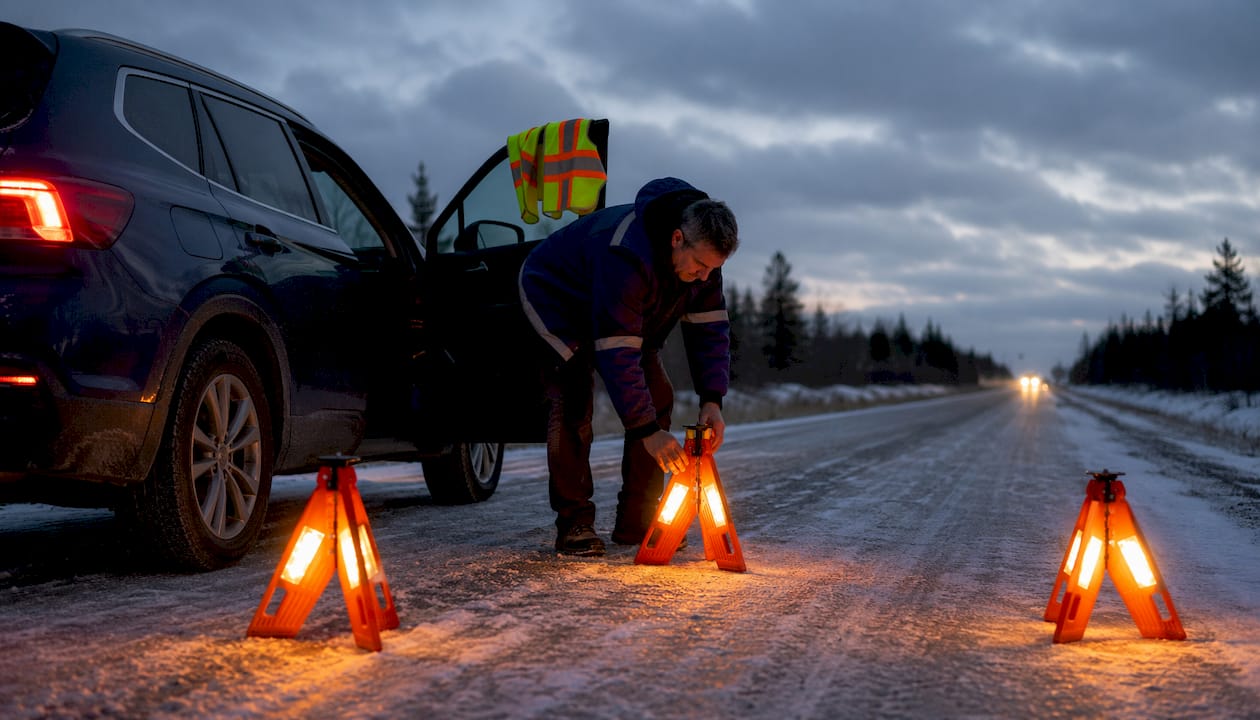


A truck on the shoulder with the wrong light package is more than a bad install - it is a liability problem waiting to happen. This fleet lighting compliance guide is built for Canadian operators who need warning lights that do the job, hold up in real weather, and do not create headaches with inspectors, procurement, or the public.
Compliance is not one single checkbox. It is a mix of provincial rules, vehicle type, work zone standards, SAE ratings, mounting position, flash pattern, and plain common sense. A light bar might be bright enough to sell online, but if the colour is wrong, the pattern is distracting, or the install blocks other required lamps, your fleet is not actually covered.
What fleet lighting compliance really means
Most fleet buyers start with the wrong question. They ask, "What is legal?" The better question is, "What is legal for this vehicle, doing this work, in this province, at this time of day and year?"
A municipal plow, a tow truck, a pilot vehicle, a volunteer firefighter POV, and a contractor pickup do not all play by the same rules. Some vehicles are authorized to run specific colours. Others can only use amber. Some need directional traffic advisors for roadside work. Others need scene lighting that does not interfere with warning output. That is why a proper spec starts with use case, not with whatever light bar happens to be on sale.
In practical terms, compliance usually comes down to five things. The colour must be permitted for the vehicle and service. The warning light must meet the expected performance standard, often tied to SAE classifications. The installation must be secure and not obstruct factory lighting or driver visibility. The flash pattern must be appropriate for road use. And the overall package must support worker safety instead of just adding glare.
The fleet lighting compliance guide every buyer should use first
Before you approve any purchase order, check the rule set that applies to your operation. In Canada, that often means looking at provincial highway traffic rules, municipal fleet policies, and any work zone requirements your crews operate under. If your vehicles work around temporary traffic control, Book 7-type expectations may also shape what lighting setup makes sense, even where the vehicle law itself is broader.
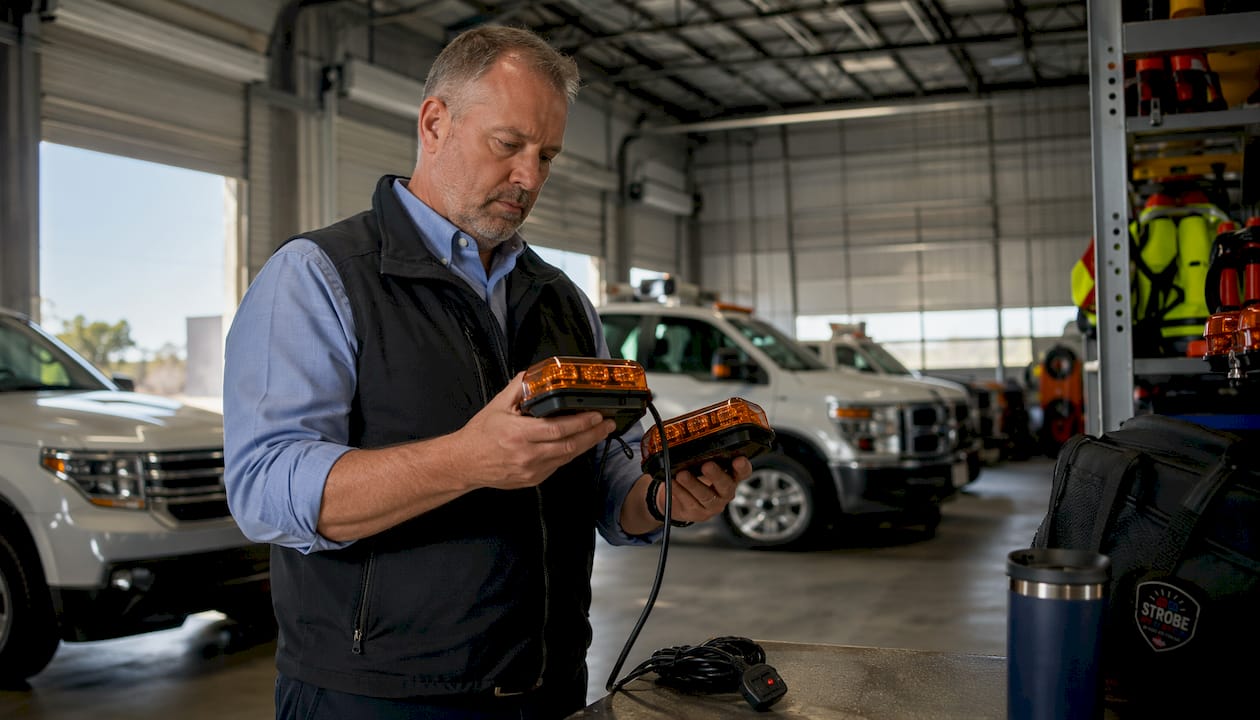
This is where a lot of fleets get burned. They buy cheap imports with vague claims like "emergency style" or "universal strobe," then find out there is no meaningful compliance documentation behind them. If a supplier cannot clearly tell you the SAE class, intended use, voltage range, mounting method, and warranty support, that is your warning sign.
The safer move is to spec equipment with published ratings and a real application match. For many work fleets, that means SAE-compliant amber warning products designed for commercial duty, not consumer-grade accessories dressed up with aggressive marketing.
Start with colour authority, not personal preference
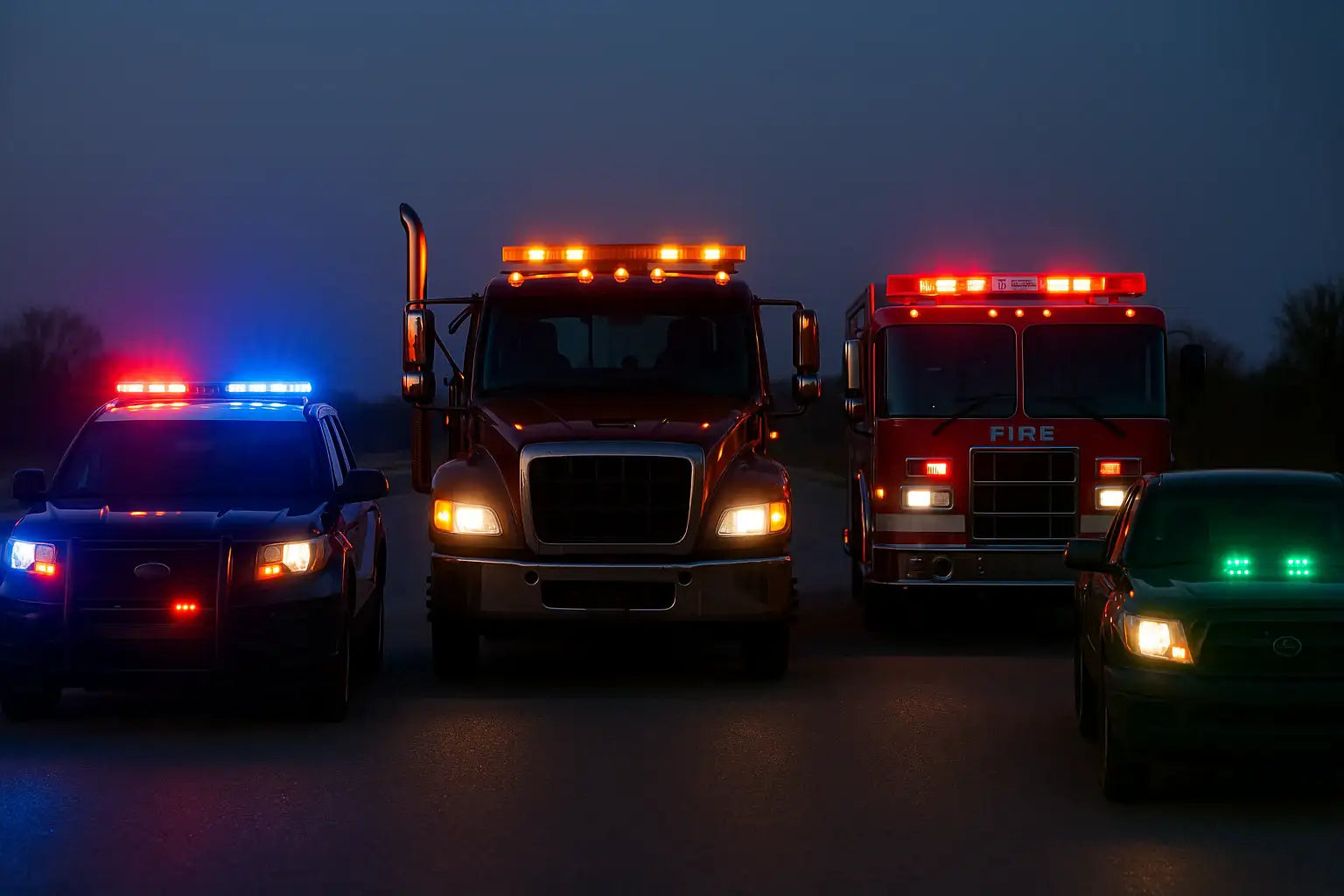
Colour is one of the fastest ways to fall out of compliance. Blue, red, white, and green can all have restricted use depending on province and vehicle role. Amber is the safest and most common lane for commercial and service fleets, but even then, you still need to confirm where and how it is used.
White-facing warning heads can also create issues if they are used carelessly. They may add punch in daylight, but oncoming glare at night is a real problem. In some applications, a full amber package is the smarter call because it keeps the warning message clear without blinding traffic.
If your fleet spans multiple provinces, standardization matters. Building one lighting spec around the most restrictive operating environment often saves money and arguments later. It may not be the flashiest setup, but it is easier to maintain and defend.
SAE ratings matter because brightness without control is not compliance
A lot of buyers see SAE labels and treat them like marketing stickers. They are not. SAE classifications help establish whether a warning light has been tested to a recognized performance level for its intended function.
That does not mean one rating solves everything. A higher output light is not always better if the beam control is poor or the mounting location is wrong. Rooftop bars, grille lights, rear deck lights, and hideaways all behave differently in rain, snow, dust, and urban reflection. The right answer depends on vehicle shape and duty cycle.
For fleets working highways, shoulders, snow events, and municipal callouts, you want enough intensity to cut through daylight and weather without creating a mess of uncontrolled flash. Good warning is conspicuous. Bad warning is just noisy.
Installation mistakes that wreck an otherwise compliant setup
A compliant product can become a non-compliant system if it is installed badly. That happens more often than most managers want to admit.
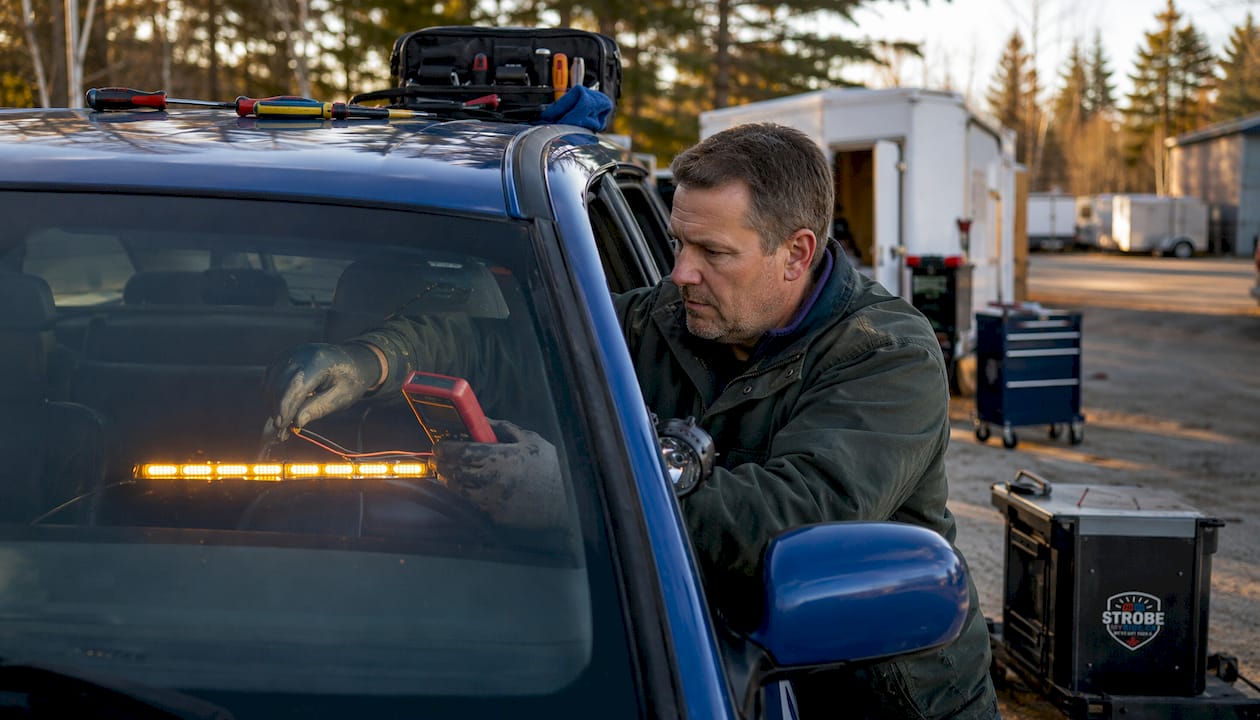
Mounting is the first problem area. Lights hidden behind tinted glass, blocked by toolboxes, buried in grille shutters, or mounted at odd angles will not perform as tested. Roof bars need proper positioning and secure attachment. Surface mounts need clean sight lines. Interior lights can work well in some vehicles, but modern windshields, headrests, and mirror housings can kill output fast.
The second issue is wiring. Voltage drop, poor grounding, weak switch gear, and sloppy splices all reduce reliability. A warning package is only useful if it works every time, in January, in slush, before sunrise, with gloves on. Fleets should care about controllers, fuse protection, and serviceability just as much as the light heads themselves.
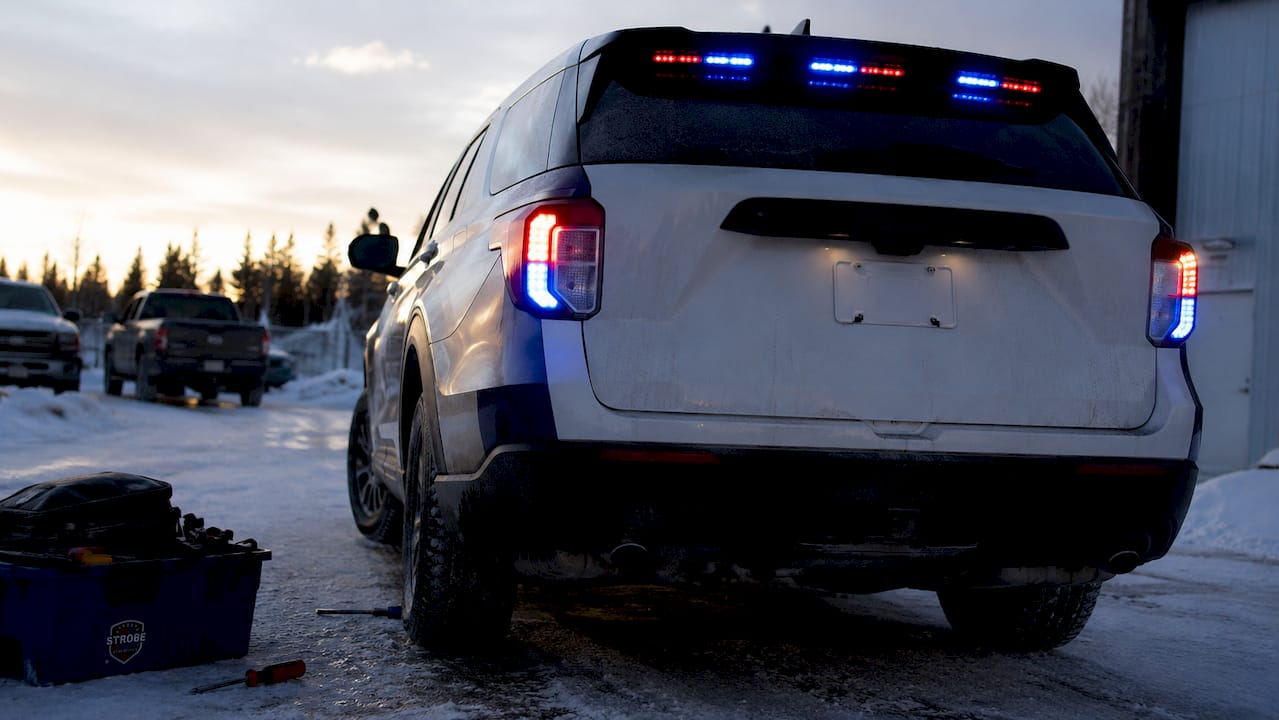
Then there is flash pattern selection. More patterns do not mean better performance. In fact, overly busy patterns can make it harder for drivers to read the scene. For roadside work, clear and coordinated flash is usually the better play. Rear-facing traffic advisor functions should direct traffic plainly. Side and front warning should support visibility, not create confusion.
Match the light package to the job
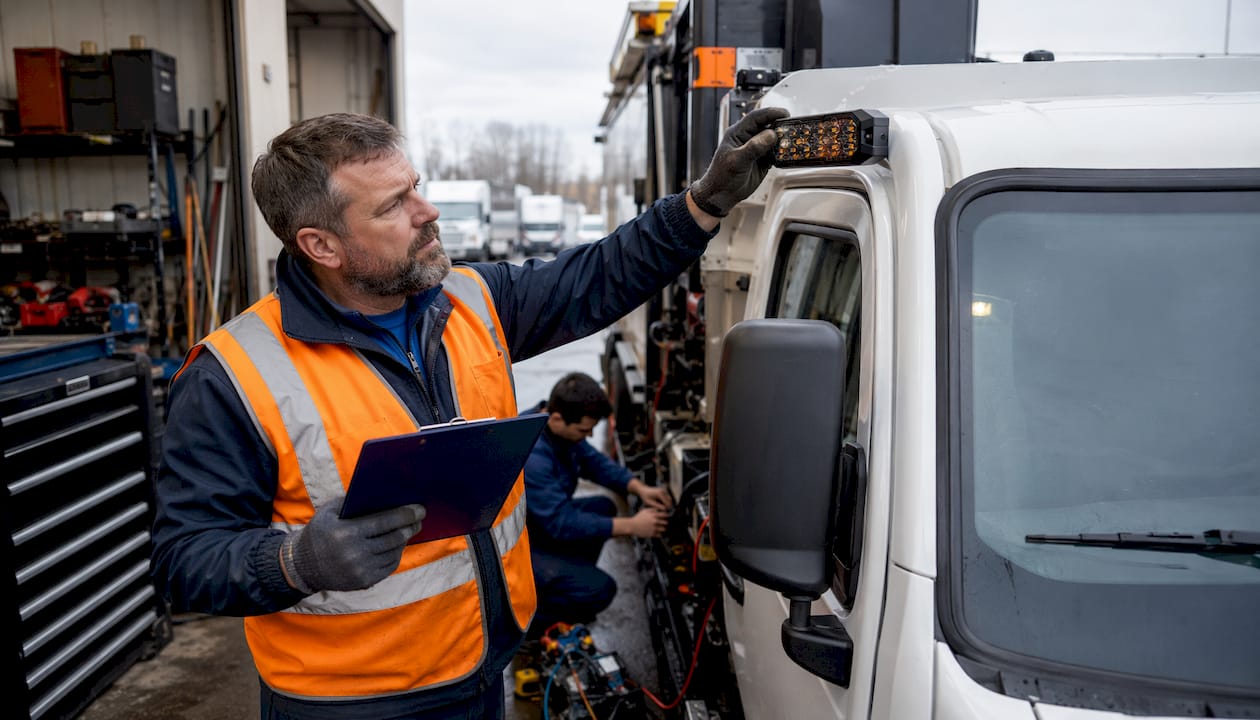
This is where a real fleet lighting compliance guide earns its keep. A compact contractor pickup doing urban utility work does not need the same package as a 1-ton highway service truck. A snow unit needs strong 360-degree warning that still reads through blowing snow. A tow truck needs rear visibility and directional control when loading on live roads. A municipal inspector vehicle may need a lower-profile setup that still delivers legal, useful warning without overbuilding the budget.
There is always a trade-off between cost, output, and complexity. Cheap systems usually fail first in connectors, mounts, and water sealing. Overbuilt systems can waste money if the vehicle rarely sees high-risk exposure. The sweet spot is equipment that fits the work, not the ego.
For many fleets, that means combining a primary warning source like a beacon or light bar with supplementary heads at the grille, rear, and sides. It can also mean adding scene lighting for task visibility, provided it is switched and aimed properly. Work light and warning light are not the same thing, and mixing those functions carelessly creates risk.
Procurement, policy, and documentation
If you manage more than a handful of vehicles, compliance needs to live in policy, not just in a purchaser's memory. Write down your approved colours, approved product classes, mounting rules, controller logic, and inspection intervals. If one shop installs lights one way and another shop improvises, your fleet standard is not a standard.
Documentation also helps when someone asks why a vehicle was equipped a certain way. That could be a supervisor, a health and safety rep, a municipal buyer, an insurer, or a lawyer after an incident. A clear spec backed by recognized product information gives you something solid to stand on.
This is also where buying from a supplier that understands Canadian fleet use matters. Strobe My Ride built its reputation around this exact problem - helping real operators avoid junk, spec properly, and get gear that is built for real roadside duty.
What to check before you buy
Before any order goes through, confirm the permitted warning colour for the vehicle class and province, the SAE rating or equivalent published standard, the intended mounting location, the controller plan, and whether the system needs directional or scene functions. Then check environmental durability. Water ingress, salt, vibration, and cold-start performance are not minor details in Canada.
Ask one more question too: if this vehicle ends up on the shoulder in freezing rain at 5:30 a.m., will this setup still be visible, still be serviceable, and still make sense to passing traffic? If the answer is shaky, the spec is not ready.
Good fleet lighting is not about bolting on the brightest thing you can find. It is about building a warning package that matches the law, the work, and the reality your crews face every shift. Get that part right, and compliance stops being a paperwork exercise and starts doing what it is supposed to do - keeping people seen and keeping them alive.