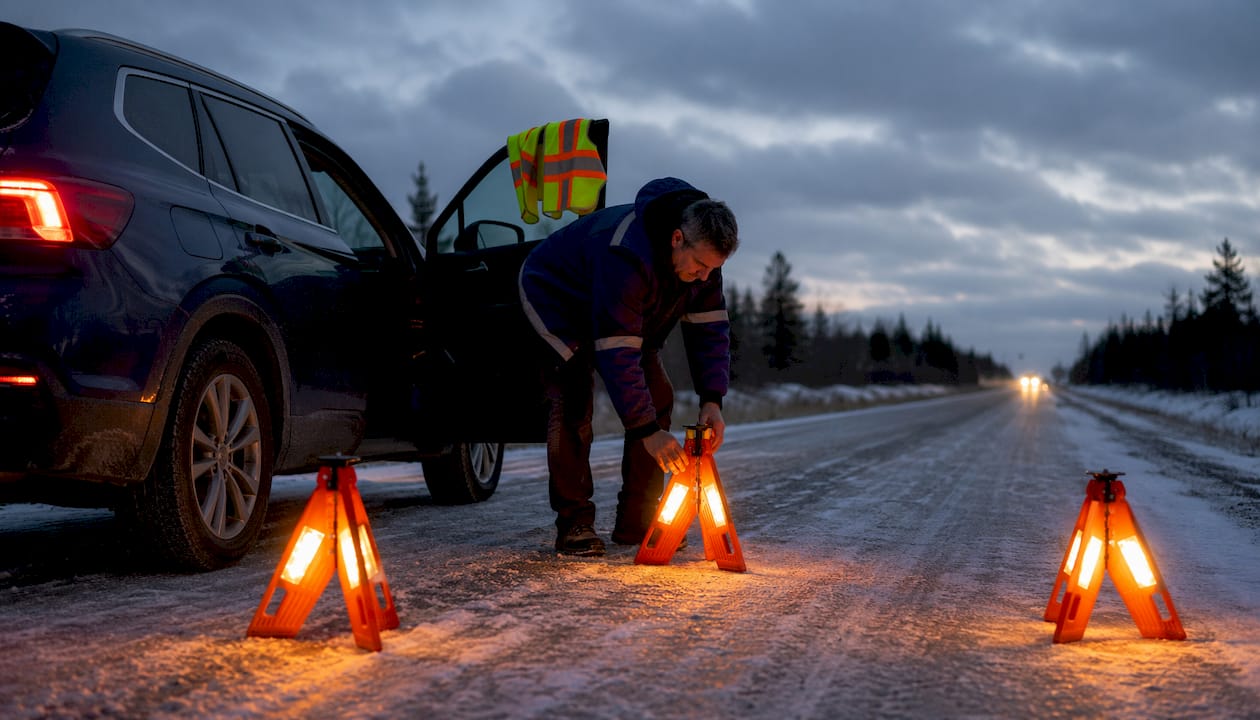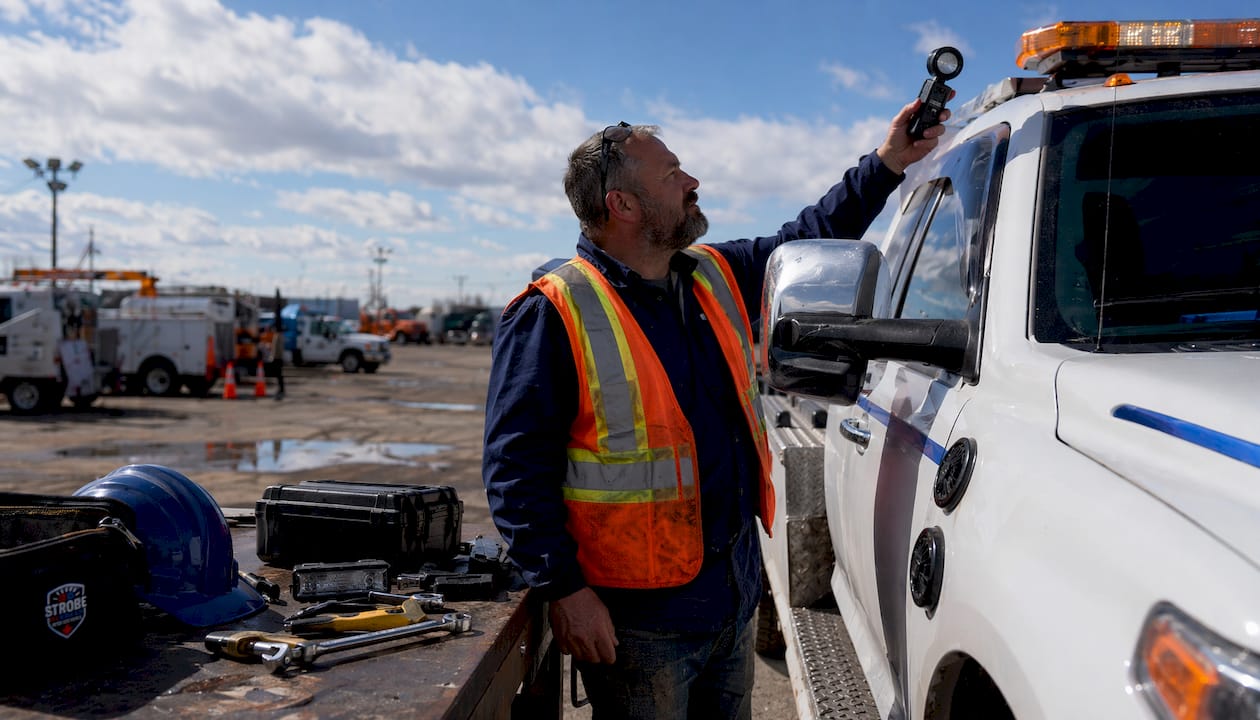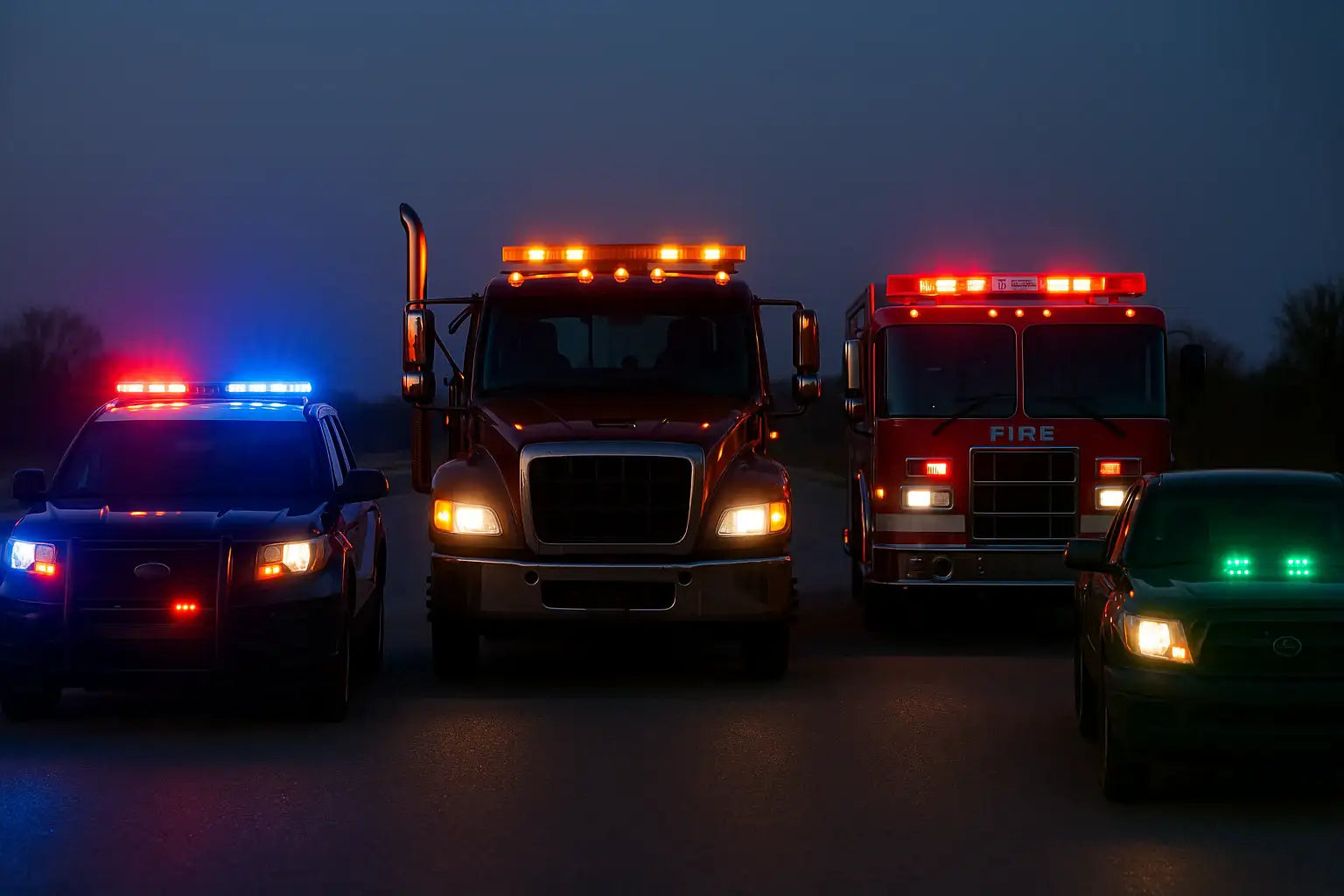

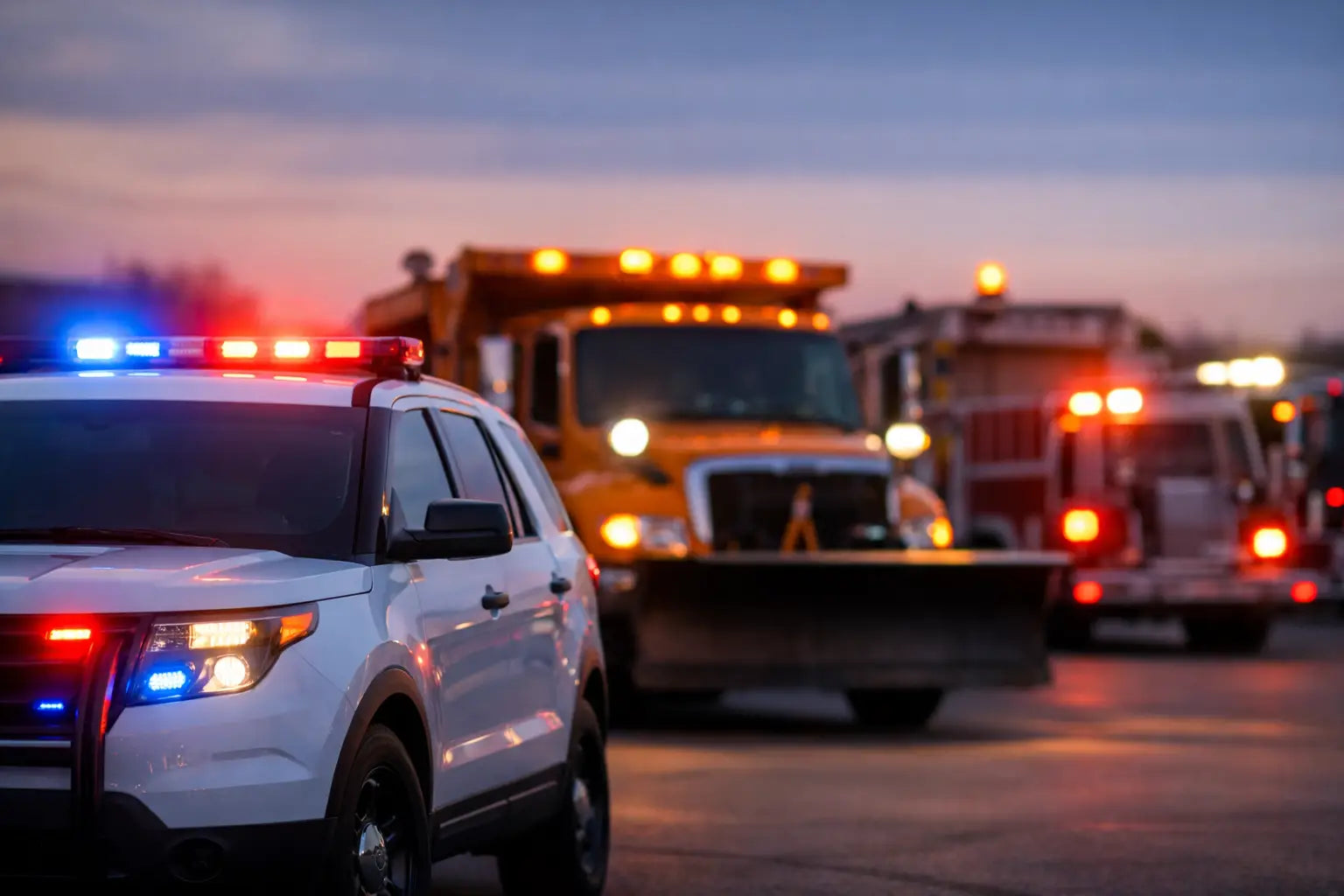
A half-ton pickup with a cheap beacon might look acceptable in the yard. Put that same truck on a snowy shoulder at 5:30 a.m., with traffic pushing past and salt spray covering the roof, and bad lighting decisions show up fast. This municipal vehicle lighting guide is built for the people who have to spec equipment that works when roads are ugly, crews are exposed, and downtime costs real money.
Municipal fleets do not buy warning lights for appearance. They buy them so plow operators can be seen in whiteout conditions, utility crews can work without getting clipped, parks staff can move through public spaces safely, and supervisors can keep vehicles compliant without replacing junk every season. That changes how you should choose the system.
What a municipal lighting setup actually needs to do
The first mistake is treating every municipal vehicle the same. A parks pickup, a water service van, a road patrol SUV, and a tandem plow all need visibility, but not in the same way. Vehicle size, work zone exposure, operating speed, mounting space, and local policy all matter.
A proper setup has three jobs. It needs to warn approaching traffic early enough to change driver behaviour. It needs to stay visible in poor weather, daylight glare, and dirty conditions. And it needs to survive vibration, moisture, corrosion, repeated washdowns, and long hours on the road.
Brightness alone does not solve that. A very bright light in the wrong location can create hot spots and leave dead angles. The better approach is to build coverage around the vehicle - front, rear, sides, and where needed, elevated warning from the roofline.
Municipal vehicle lighting guide: start with the job, not the catalog
Before anyone starts comparing beacons and light bars, define the use case. This is where smart fleet buyers save money, because they stop overbuilding low-risk units and underbuilding frontline trucks.
Snow plows and winter maintenance
Plows work in the worst visual environment most municipal departments face. Snow dust, road spray, darkness, and raised plow hardware all interfere with visibility. These trucks usually need a strong roof-mounted warning package, side visibility that remains visible around the blade and wing equipment, and rear lighting that punches through salt mist.
A full-size light bar often makes sense here, especially on larger trucks where roof height improves visibility distance. Rear-facing warning is critical because traffic closing on a slow-moving plow is the real threat. In many cases, additional rear hideaways, surface mounts, or directional traffic advisors help create a clearer message for overtaking drivers.
Roads, utilities, and public works pickups
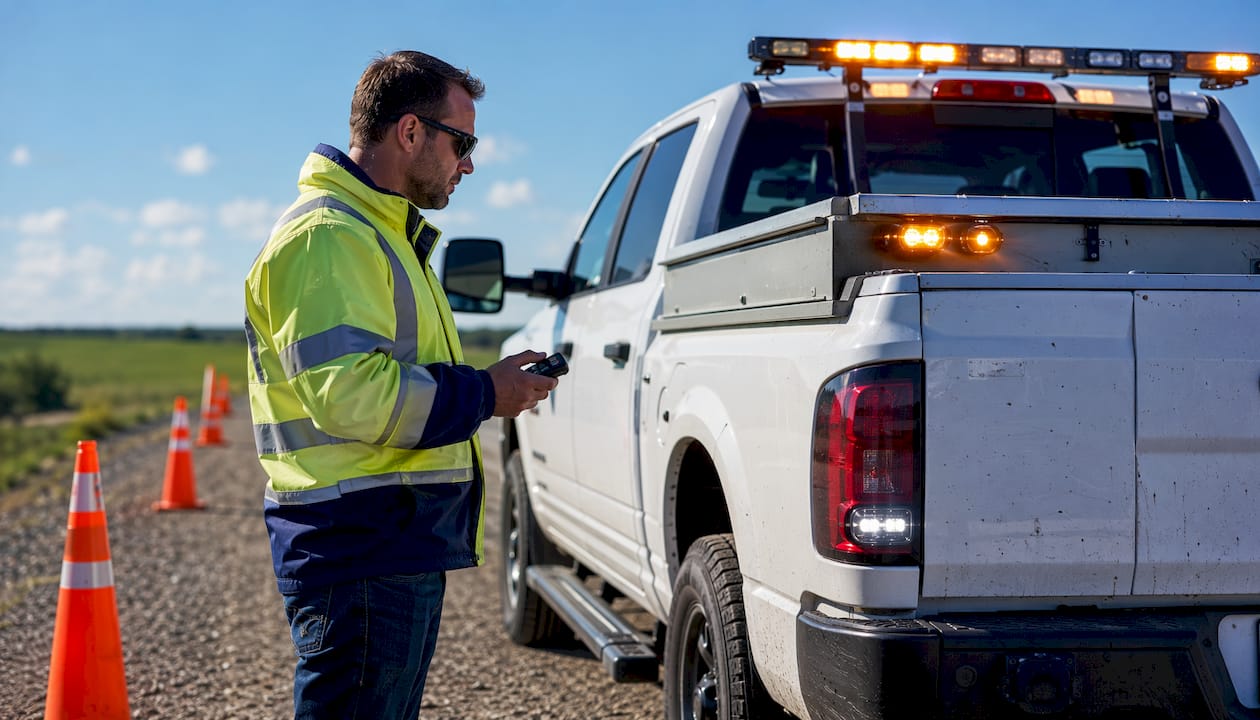
These vehicles do a bit of everything - shoulder work, inspections, emergency response to infrastructure issues, and short-duration roadside stops. They usually need flexibility more than maximum output. A mini bar or beacon can work for some units, but only if side and rear warning are not ignored.
This is where a compact package with grille lights, rear warning, and a simple controller often outperforms a single roof beacon. It gives a cleaner 360-degree signal and better coverage when the vehicle is angled on a shoulder or parked near an intersection.
Service bodies, vans, and specialty units
Bucket trucks, sewer units, line painting vehicles, and traffic support trucks all bring mounting challenges. Roof space may be limited by racks or equipment. Side compartments can block certain angles. Rear doors and liftgates affect placement.
For these builds, surface mounts and work-specific light placement matter more than picking the biggest bar. You want warning lights that remain visible with doors open, tools out, and workers moving around the body. Scene lighting may also be needed, but that should be treated as a separate function from warning lighting.
Compliance matters, but application still rules
A municipal vehicle lighting guide that only talks about brightness misses the point. Fleets need compliant lighting, especially when the vehicles operate on public roads and procurement teams want documented specs. SAE ratings, flash patterns, lens colour choices, and local provincial requirements all need to be checked before purchase.
That said, compliance is not a shortcut to a good build. A compliant light can still be a poor fit if it is too small for the vehicle, mounted too low, or exposed to damage. Buyers should also be careful with bargain imports that claim performance they cannot back up. Real fleet lighting should be built for daily use, not occasional weekend duty.
If your department follows traffic control guidance such as Book 7 practices, lighting selection needs to support that broader roadside safety plan. Warning lights are one layer. Signage, arrow boards, cones, high-visibility PPE, and vehicle positioning still matter.
Choosing the right light types for municipal fleets
Most municipal builds rely on a mix of products, not one do-it-all fixture. The question is how those pieces work together.
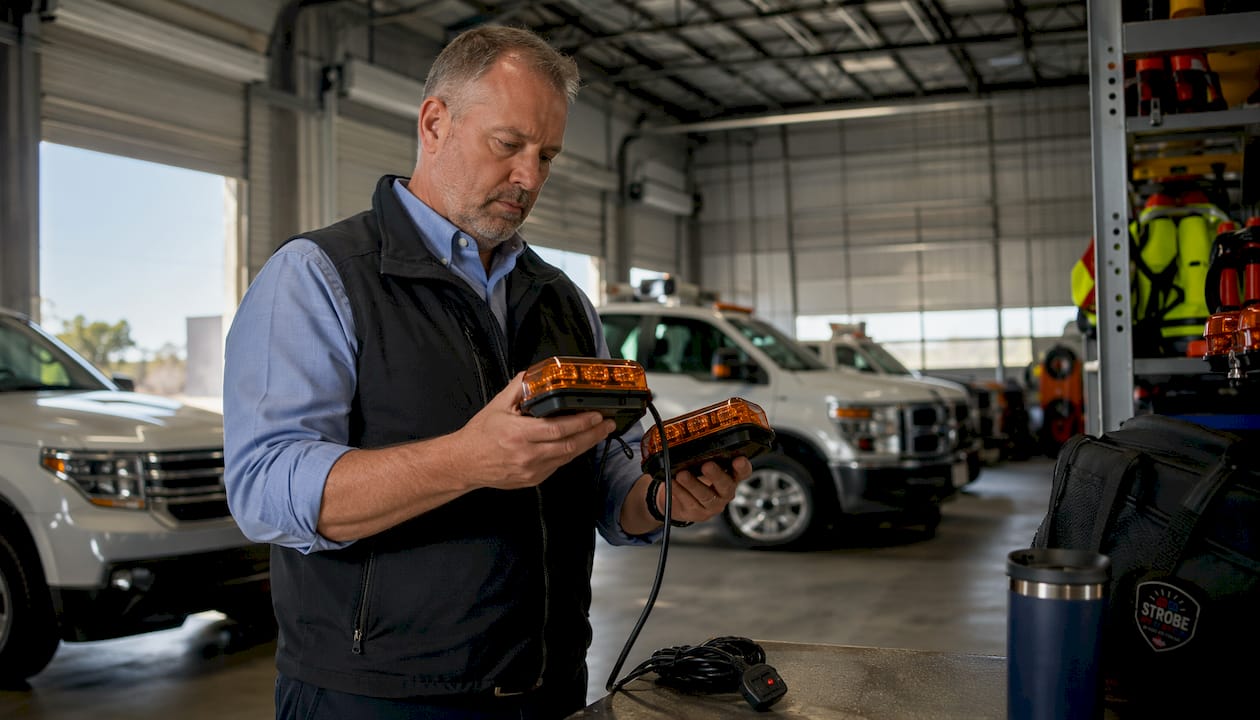
Beacons
Beacons are simple, visible, and often cost-effective. They suit lower-complexity vehicles and can be a solid choice for parks, facilities, and lighter-duty municipal units. The trade-off is coverage and message control. One beacon may be enough for a low-risk environment, but it is rarely the best answer for heavy roadside exposure.
Light bars
Light bars offer stronger output, wider coverage, and better multi-angle warning. For plows, road service trucks, and high-exposure municipal vehicles, they are often the right call. The trade-off is cost, roof space, and potential height clearance issues. A good bar earns its keep when the vehicle is on active roads in poor conditions.
Surface mounts and hideaways
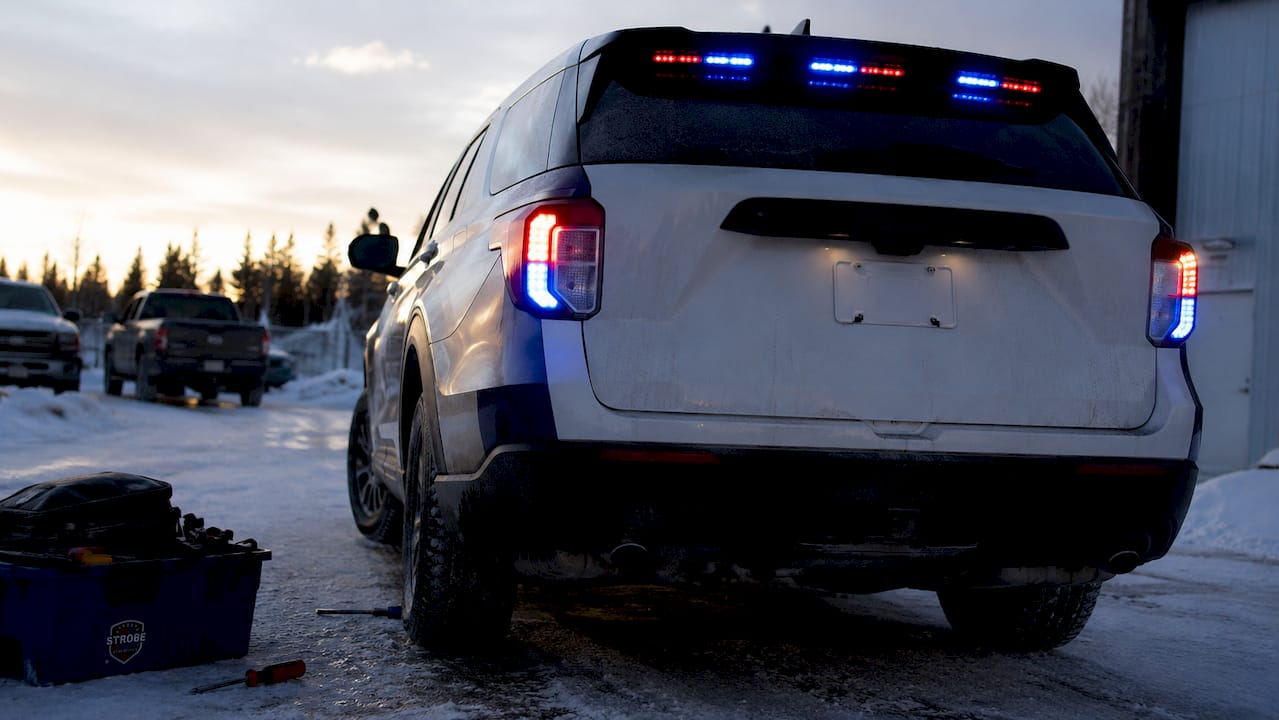
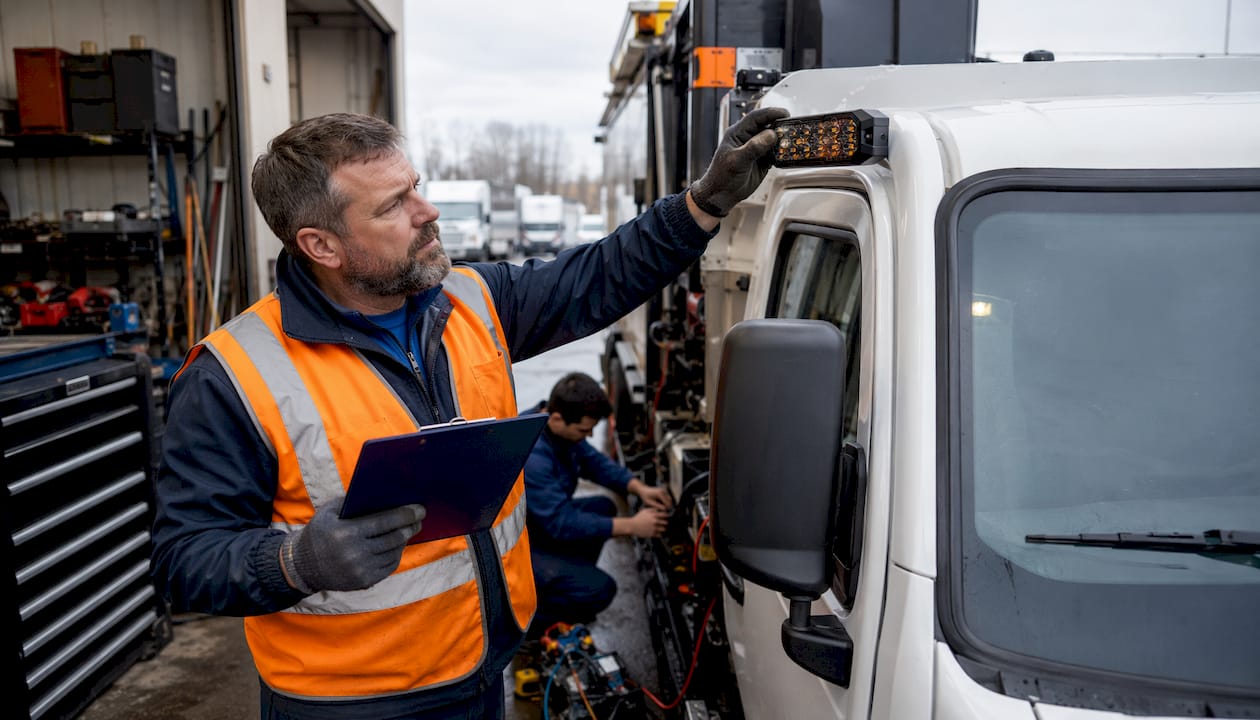
These are the workhorses of custom fleet visibility. They fill blind spots, improve side warning, and strengthen the rear package. On many municipal units, they are what turns an average setup into a serious one. They also help where racks, spreaders, and body equipment limit bar placement.
Traffic advisors and directional warning
Some municipal vehicles need more than a general warning signal. If the truck regularly works on lane edges, directional lighting helps tell drivers where to move. That is especially useful for roads crews, incident response, and utility work on busier corridors.
Mounting location is where good plans get tested
You can buy quality hardware and still end up with a weak system if placement is poor. Roof mounting improves long-range visibility, but not every vehicle can support a full bar. Grille and bumper positions help with forward warning, yet they can disappear behind snowbanks, plow assemblies, or road grime. Rear warning needs enough height and spread to remain visible when the vehicle is loaded, dirty, or partly shielded by body equipment.
There is no universal layout. It depends on the truck and the task. What matters is checking real sightlines, not assuming the brochure photo applies to your fleet. Walk around the vehicle. Open the compartments. Raise the equipment. Look at it from the height of a passing driver in day and night conditions.
Durability is not a bonus feature
Canadian municipal service is rough on electronics. Salt, slush, freeze-thaw cycles, vibration, pressure washing, and long idle periods all expose weak gear fast. Housings crack. Connectors corrode. Mounts loosen. Cheap power supplies fail in the cold.
That is why spec sheets should go beyond flash patterns and wattage. Look at sealing, wiring quality, mounting hardware, lens durability, and warranty support. If a light is built like a consumer accessory, it does not belong on a municipal fleet. This is exactly why many Canadian buyers avoid no-name imports and stick with equipment built for real work.
Control systems and installation choices
The best lighting package is only as good as the install. Clean wiring, proper circuit protection, weatherproof connections, and operator-friendly controls make a real difference in reliability. Complex systems are fine if the vehicle genuinely needs them. If not, simpler is often better.
Drivers should be able to activate the right warning mode without hunting through a maze of switches. Shops should be able to service the system without tearing half the dash apart. On newer fleet units, OEM-compatible flashers and plug-and-play options can reduce install time and preserve a cleaner finish.
Where fleets waste money
Most bad municipal lighting purchases fall into three buckets. The first is under-specifying frontline vehicles to save a few dollars upfront, then paying later in retrofits and near-misses. The second is overbuying on low-exposure units that do not need a full emergency-style package. The third is choosing low-cost products that fail early and create repeat labour costs.
A good spec balances risk, duty cycle, and replacement cost. That usually means standardizing where possible, then upgrading only the units with higher roadside exposure. If you are building out multiple vehicle types, consistency in controllers, mounting methods, and service parts can save a lot of shop time over the life of the fleet.
Strobe My Ride was built around that kind of real-world buying logic - not flashy catalog claims, but gear that municipal crews can depend on when visibility is the difference between a routine stop and a bad day.
The right lighting package does not need to be fancy. It needs to be visible, compliant, durable, and matched to the work. If a setup helps your operators get home safe, keeps your fleet moving, and does not come back to the shop every few weeks, you chose well.