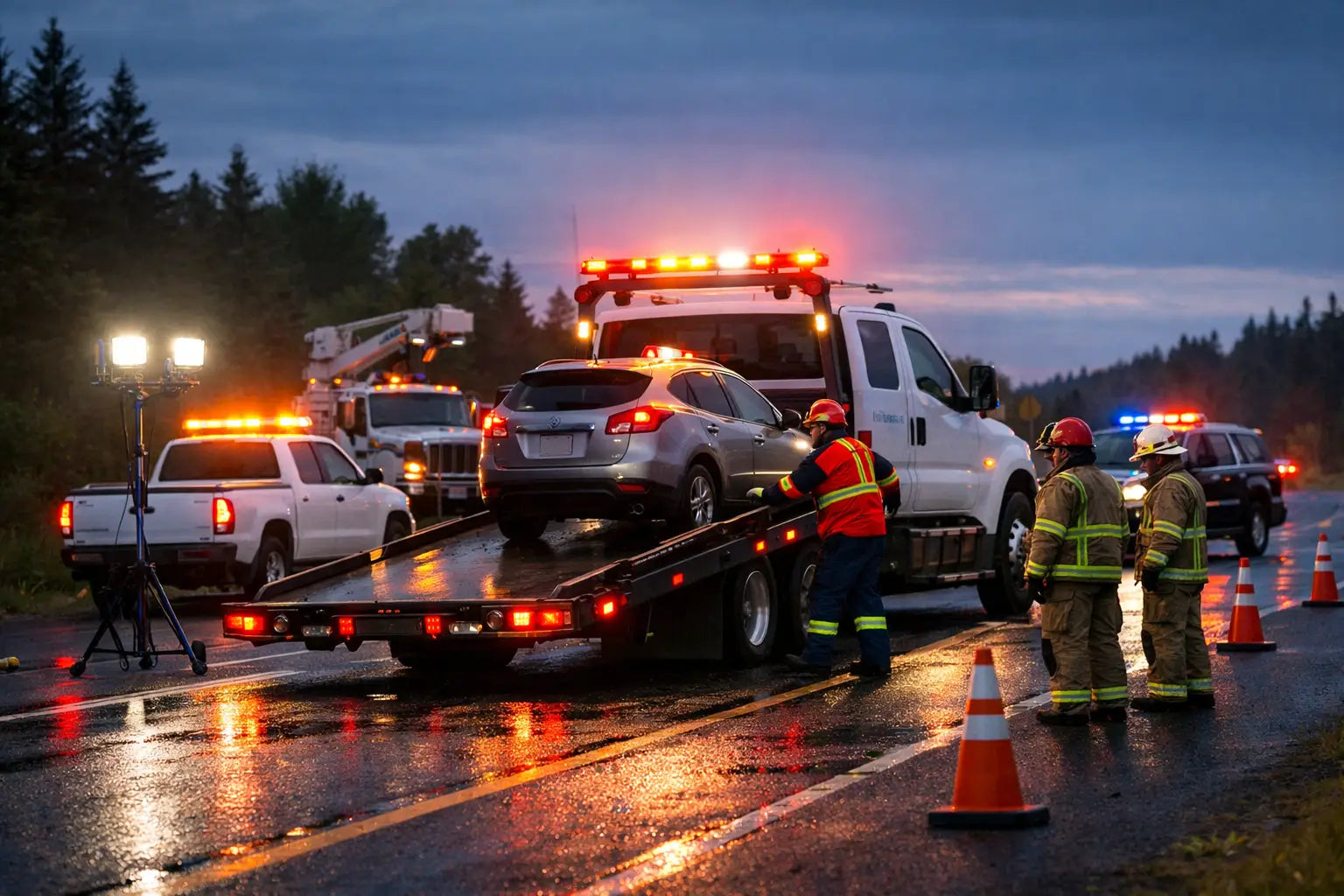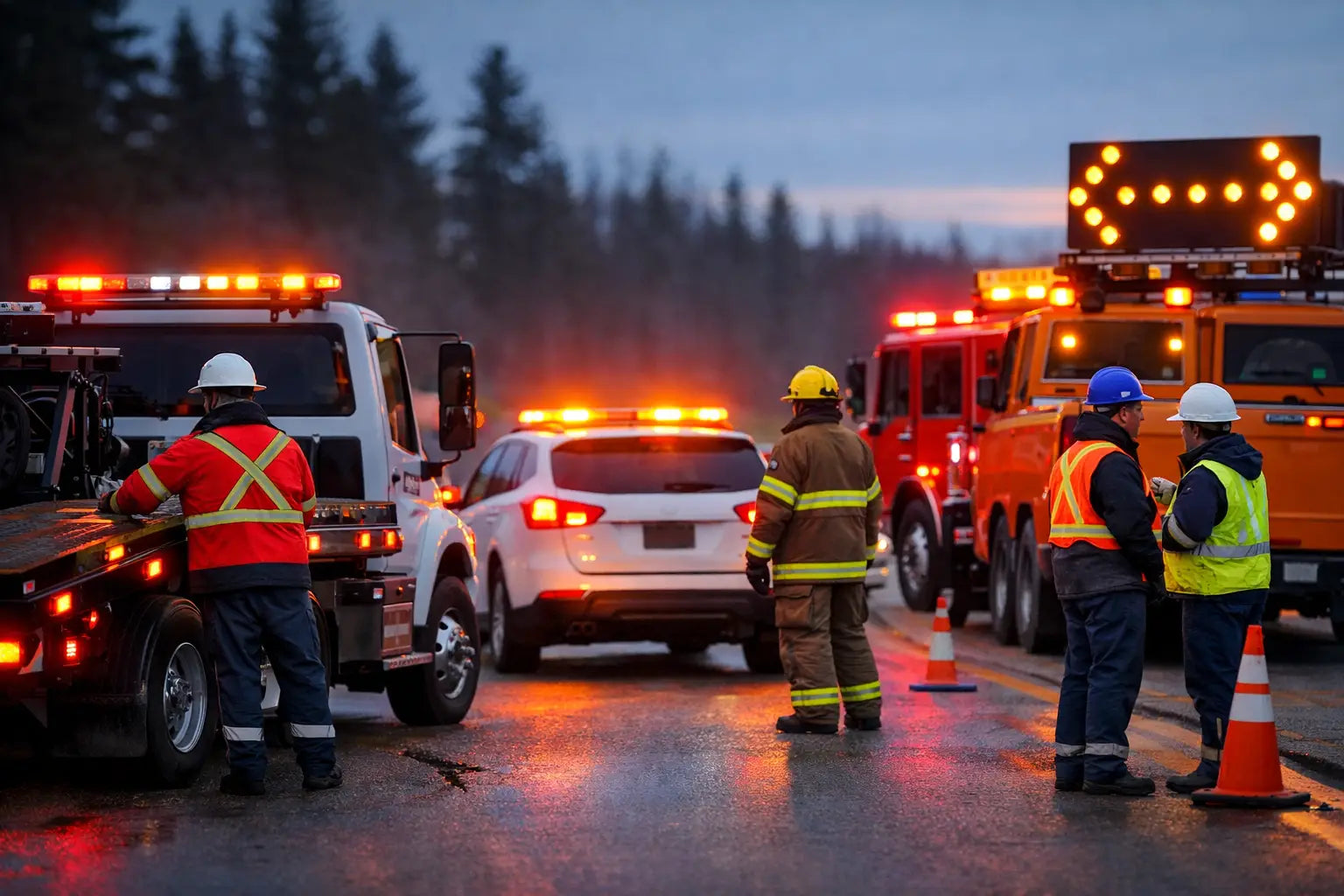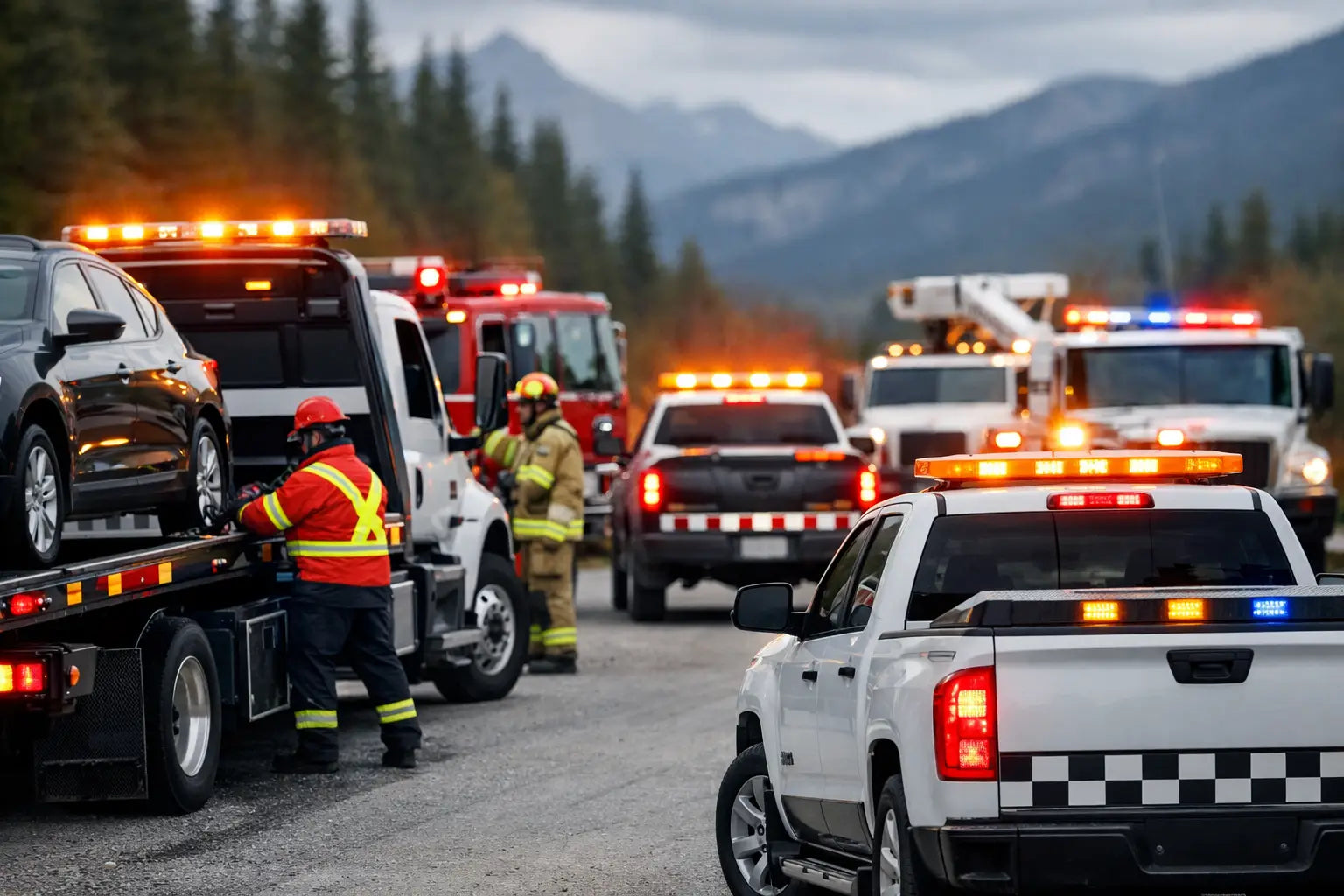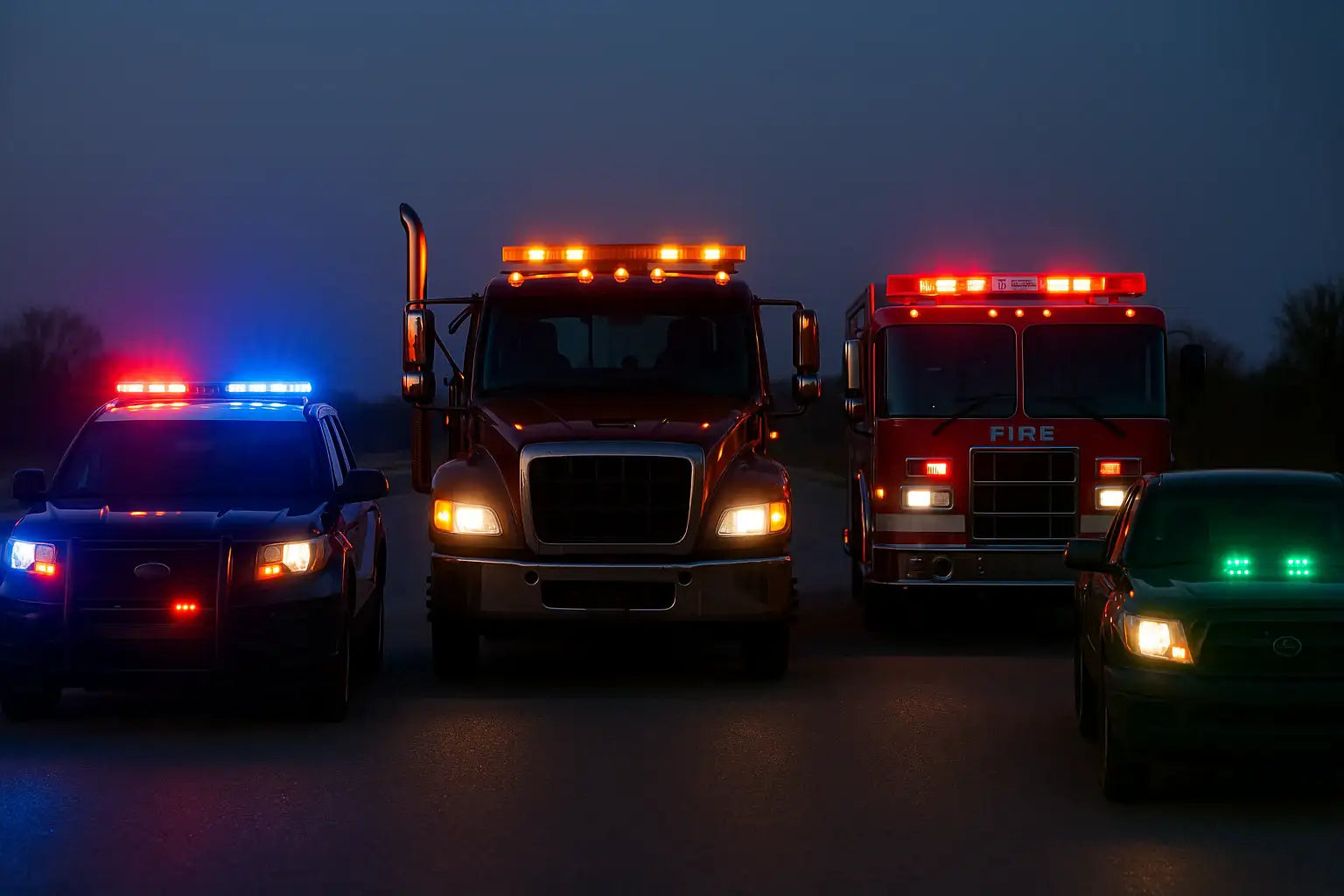
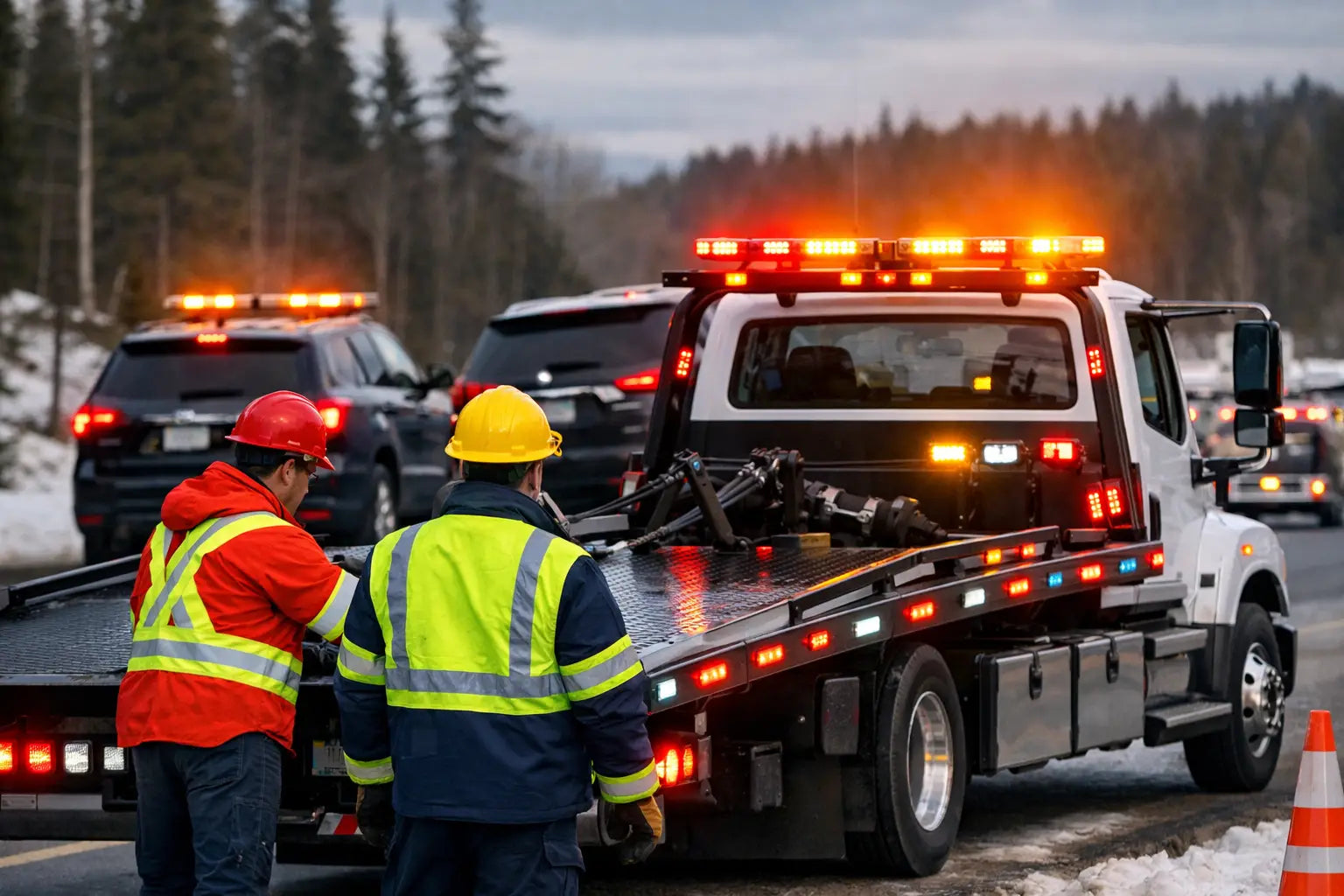
A tow truck on the shoulder at 2 a.m. does not need flashy marketing. It needs warning lighting that cuts through rain, snow, spray, headlight clutter, and driver distraction. If you are shopping for tow truck light bars Canada operators actually depend on, the real question is not which bar looks brightest in a photo. It is which setup gives your crew the best chance of being seen in the conditions they work in.
Tow work is different from most fleet applications. You are often stopped in live traffic, loading damaged vehicles, working odd angles, and operating in ugly weather with very little room for error. That means the light bar has to do more than flash. It has to support roadside visibility, reduce confusion for approaching drivers, hold up to vibration, and match the way the truck is actually used.
What matters most in tow truck light bars Canada fleets use
The biggest mistake buyers make is treating all LED light bars as if they are interchangeable. They are not. A low-cost bar may look acceptable in a warehouse or parking lot, then disappear in full sun, wash out in blowing snow, or fail after a season of salt, moisture, and vibration.
For tow applications, output matters, but beam control matters just as much. A good warning bar needs intensity that is effective in daytime, not just at night. It also needs optics that project usable warning light at the angles drivers actually see as they approach and pass. On a rollback, integrated tow body, or heavy wrecker, mounting height and body shape can create blind spots. That is why the full warning package often matters more than the roof bar alone.
Buyers should also pay attention to SAE ratings. In practical terms, SAE J595 and related warning light standards help separate professional-grade equipment from decorative lighting. Depending on the light type and application, you may also see standards such as SAE J845 or SAE J2498 referenced. Those standards are part of a proper discussion because they speak to tested performance, not guesswork. Still, standards are only one piece of the decision. A Class 1-rated bar installed in the wrong position or paired with poor perimeter lighting can still leave gaps.
Roof bar only or full warning package?
On many tow trucks, the roof-mounted light bar gets all the attention, but roadside visibility is rarely solved by one device. A proper setup usually combines the main bar with rear warning, side warning, work lighting, and in some cases a traffic advisor function for controlled directional messaging.
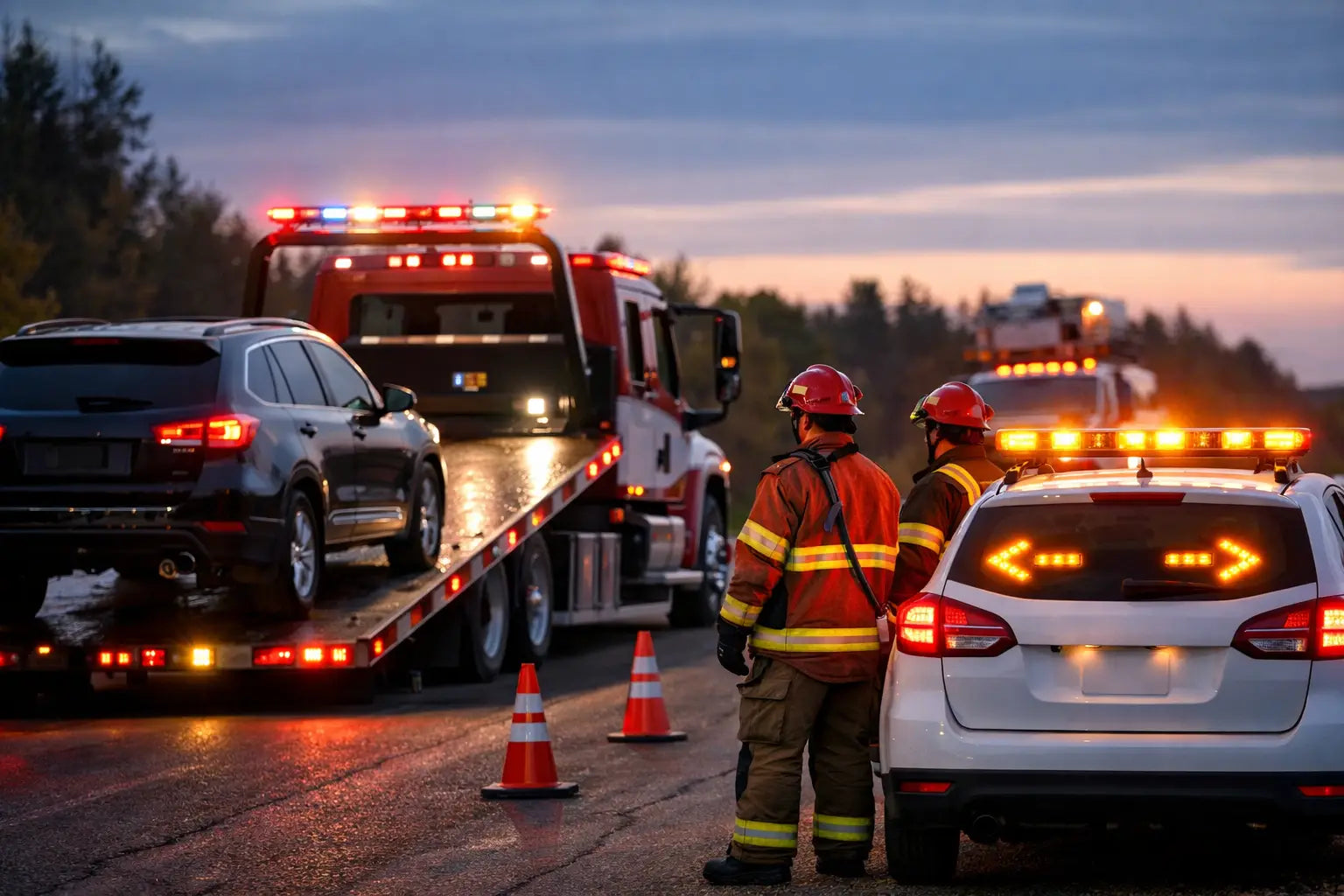
A light bar handles long-range recognition. It tells drivers something is ahead. Rear-facing warning lights and traffic advisor functions help shape driver response as they close in. Side-facing lighting becomes critical when the truck is angled on a shoulder or partially in a live lane. Scene and work lights help your operator see the hookup area without relying on blinding flood output that creates glare for passing traffic.
That trade-off matters. More light is not always better. Too much uncontrolled white light can reduce operator night vision and create discomfort glare. The better approach is to separate warning from task lighting and use each with a clear purpose.
Why traffic advisors matter on tow units
Tow operators work in dynamic lane-edge environments. A rear traffic advisor can be useful because it provides a more deliberate message to drivers than random flash patterns alone. It does not replace safe truck positioning, cones, or proper scene management, but it can support lane guidance when used appropriately.
For operators who do highway recovery, bridge work, incident response, or urban expressway service, a rear directional component is often worth serious consideration. For local hook-and-book work on quieter roads, it may still be valuable, but it depends on call profile and budget.
Choosing the right size and profile
Not every truck needs a giant full-length bar. The right size depends on the cab width, roofline, mounting space, and whether the truck already carries headache rack lighting, rear beacons, or body-mounted modules.
Low-profile bars are popular because they reduce wind noise, look cleaner, and often fit modern tow trucks better. They can be an excellent choice when they still deliver the output and off-axis visibility needed for roadside work. Full-size bars remain common for heavy wreckers and units that need maximum presence from longer distances.
Profile also affects durability. A taller bar may offer larger optics and stronger visibility, but it may also take more abuse from low branches, snow loading, and wash equipment. A slim bar can be a smart choice on urban fleet units that spend time in garages or under canopies. Again, it depends on the actual duty cycle.
Colour selection is not just preference
Light colour on tow trucks is not something to choose casually. Warning light colour use can vary by province and by vehicle function, so operators should verify applicable requirements before buying. What works for one type of service body or one jurisdiction may not be appropriate in another.
From an operational standpoint, amber is commonly used because it is strongly associated with caution and roadside service. Mixed-colour bars may be used in some applications, but buyers need to think beyond appearance. The question is whether the chosen colour package supports visibility, fits the vehicle role, and aligns with the rules that apply where the truck operates.
Brightness vs useful visibility
A light bar can be painfully bright up close and still perform poorly at distance or in daylight. Useful visibility comes from output, optics, flash pattern design, mounting location, and how the bar works with the rest of the vehicle lighting.
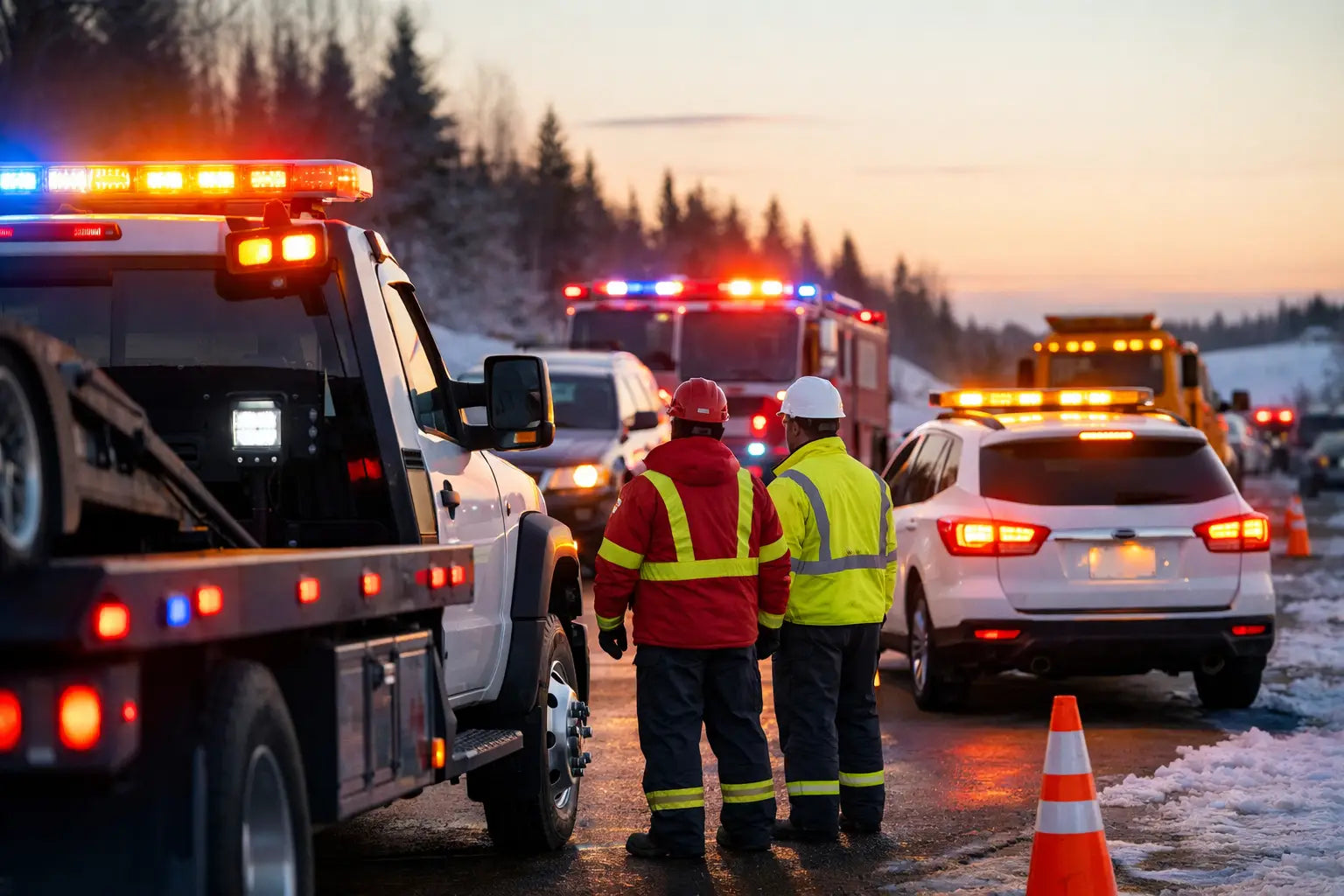
Tow trucks also operate in some of the worst visual environments on the road. Wet pavement reflects light back at drivers. Snowfall fills the air with glare. Dirty lenses and salt film reduce effectiveness over time. That is why serious buyers look at lens quality, sealing, current draw, and real-world durability instead of chasing a spec sheet alone.
Installation quality decides whether the bar performs
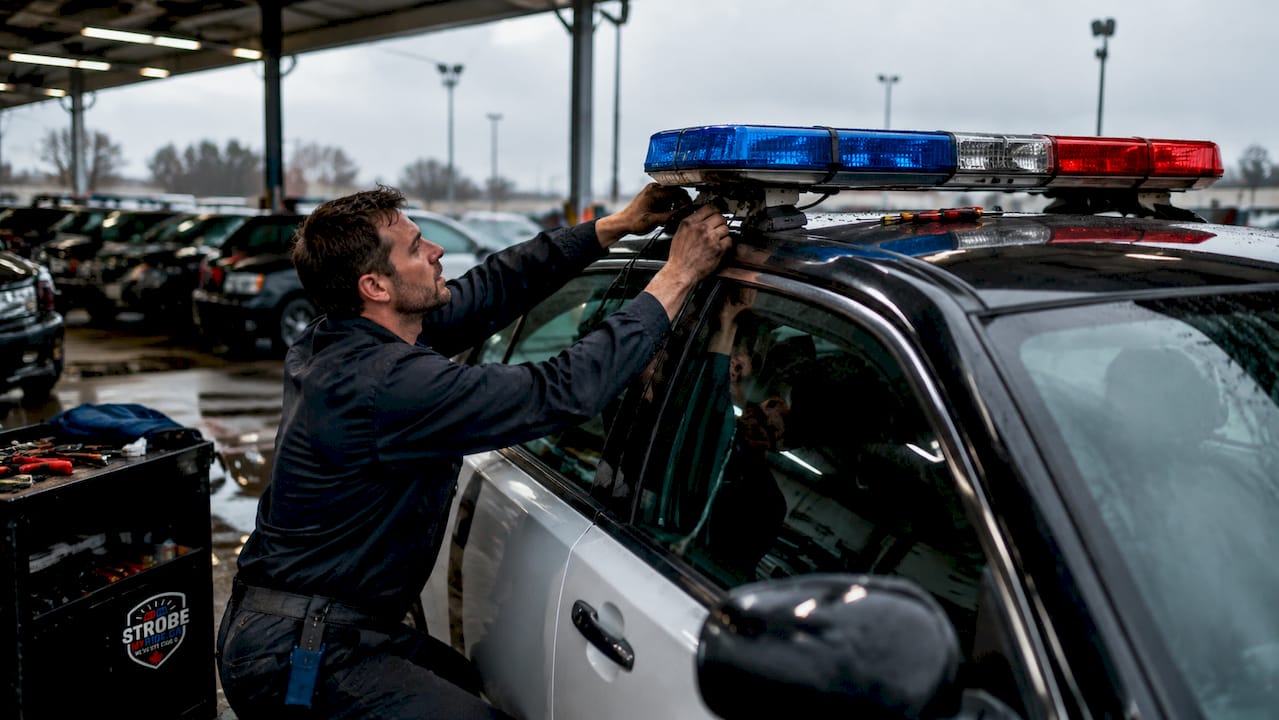
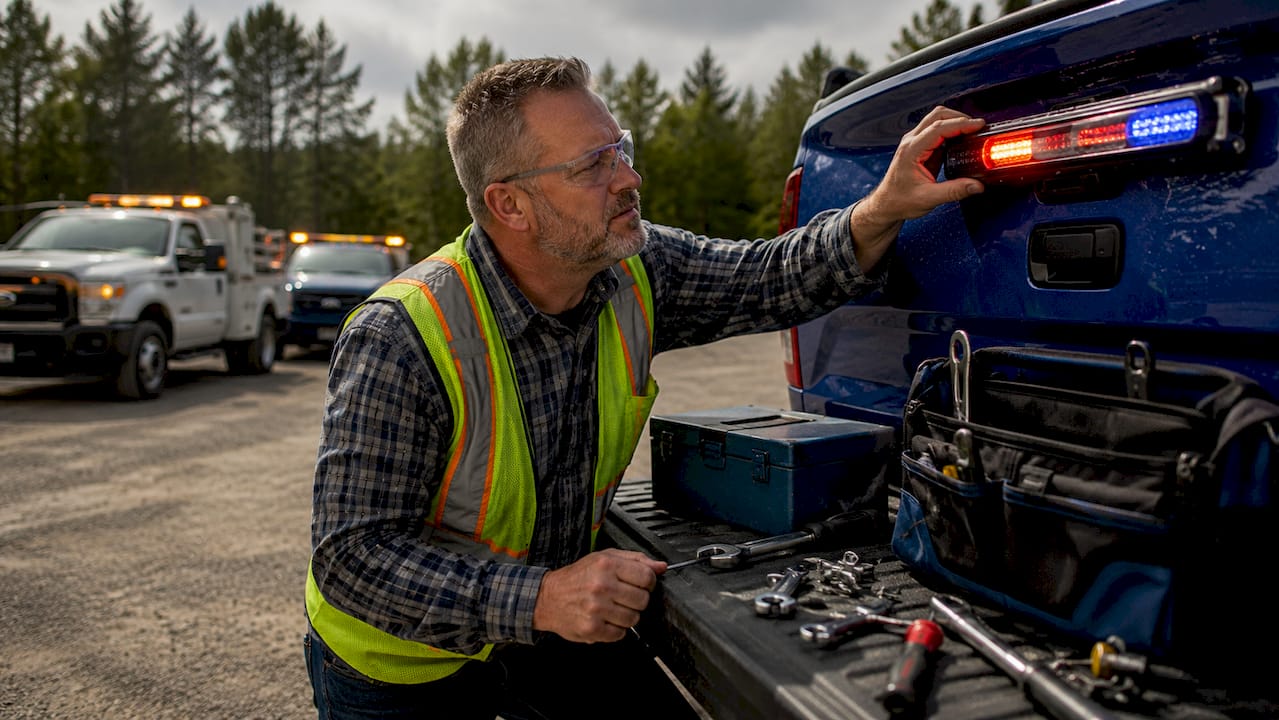
A good bar installed badly becomes an expensive problem. Poor mounting leads to vibration, water intrusion, wind noise, and premature failure. Bad wire routing creates corrosion issues, intermittent faults, and controller problems that usually show up when the truck is needed most.
On tow trucks, installation planning should account for roof structure, cable protection, switch layout, controller access, and future serviceability. If the truck runs multiple warning devices, the installer should think about pattern coordination and load management rather than simply powering everything independently.
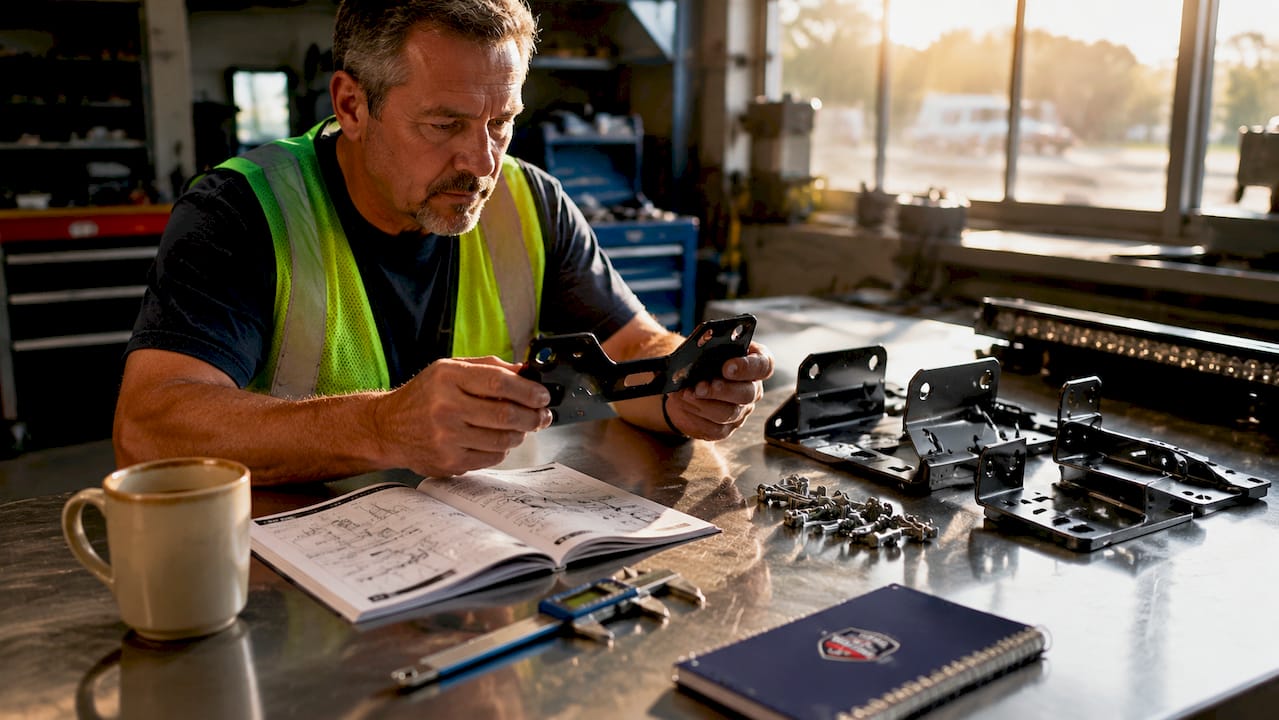
This is where many fleets lose money. They buy decent equipment, then cut corners on mounts, connectors, or control systems. The result is downtime, nuisance failures, and repeat labour costs. Total cost of ownership is not just purchase price. It is service life, replacement intervals, and how often the truck ends up off the road.
Durability standards for real Canadian work
Canadian tow fleets put equipment through conditions that expose weak products quickly. Salt, slush, freeze-thaw cycles, pressure washing, gravel impact, and constant vibration are normal. A bar that is fine on a fair-weather service vehicle may not last on a truck doing winter recovery on a 400-series highway or northern resource road.
Look for housing strength, proper sealing, dependable mounting hardware, and warranty support that means something if there is a problem. This is where professional-grade equipment earns its keep. Not because it sounds impressive, but because downtime on a tow unit costs money and increases operational risk.
Fleet buyers should also think about parts consistency. If you run multiple tow units, standardizing bars, controllers, and mounting methods can simplify training, spare inventory, and replacement. That is not glamorous, but it matters over a five-year fleet cycle.
How to compare tow truck light bars Canada suppliers offer
Start with the application, not the product photo. Ask what type of towing the truck does, how much highway exposure it sees, whether it works urban or rural, and what other warning devices are already on the vehicle. Then look at the bar through five filters: SAE performance rating, optical effectiveness, environmental durability, install requirements, and total cost of ownership.
Be careful with bars that lead with a long feature list but say little about standards, housing quality, or support. A professional buyer wants to know whether the unit is built for real work, whether replacement parts or warranty help are available, and whether it can integrate cleanly with the rest of the vehicle's warning system.
At SMR, that practical fit-for-duty approach matters more than hype. Tow operators do not need Amazon junk. They need warning lighting that works when the truck is blocking a lane in freezing rain and traffic is still moving.
The best bar is the one that fits the job
There is no single best light bar for every tow truck. A one-ton roadside service unit, a city impound truck, and a rotating heavy wrecker do not have the same visibility profile or operational risk. The right choice depends on where the truck works, how long it is stopped exposed to traffic, what other warning devices are installed, and how the vehicle is configured.
If you are buying for one truck, think through your worst-day scenario, not your average easy call. If you are buying for a fleet, build a standard that reflects duty type, visibility needs, and service conditions. Good warning lighting will never replace training, safe positioning, and solid roadside procedures, but it gives your operators a better visual presence when they need it most.
Buy the bar that is built for the road you actually work on, not the one that looks good on a screen.