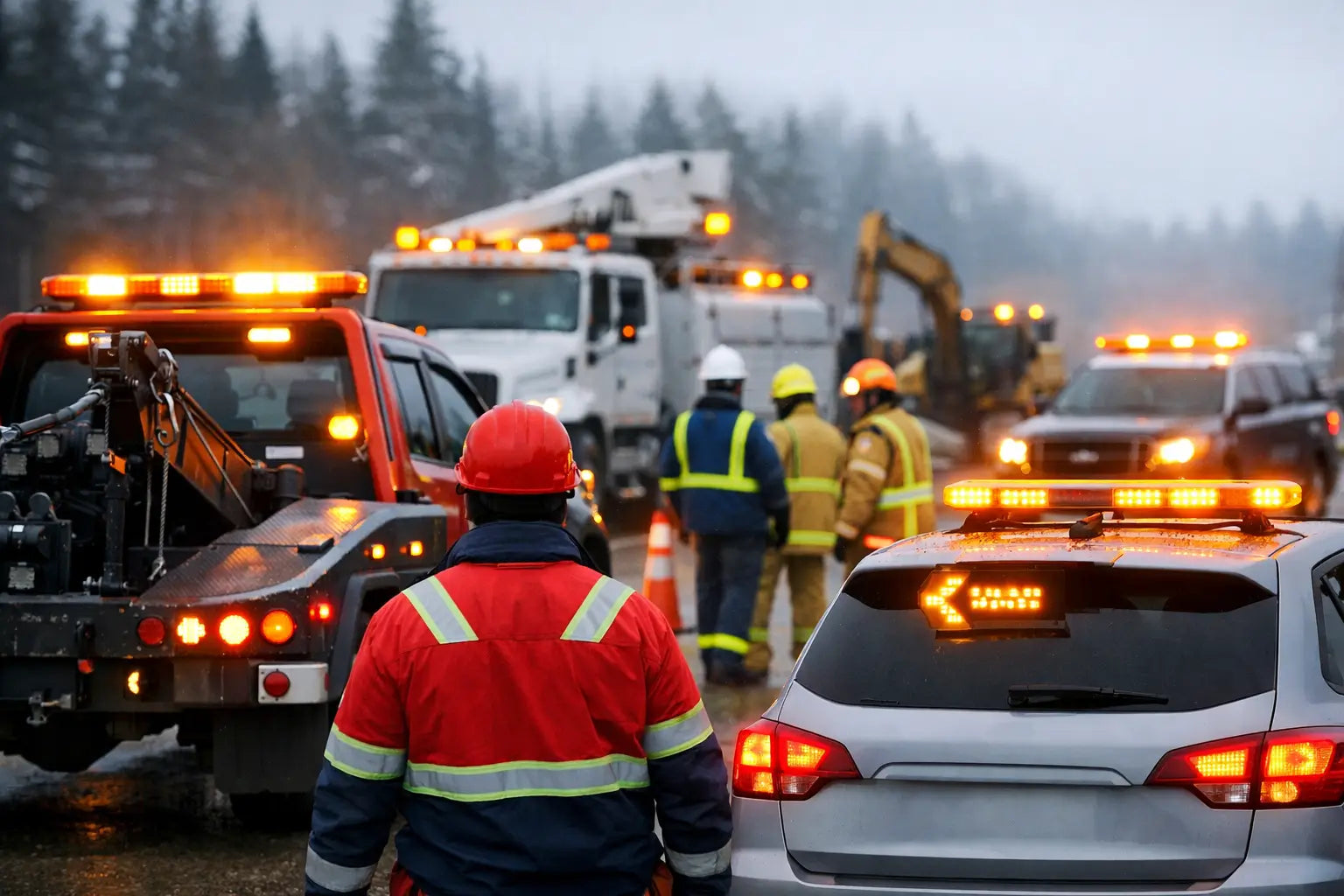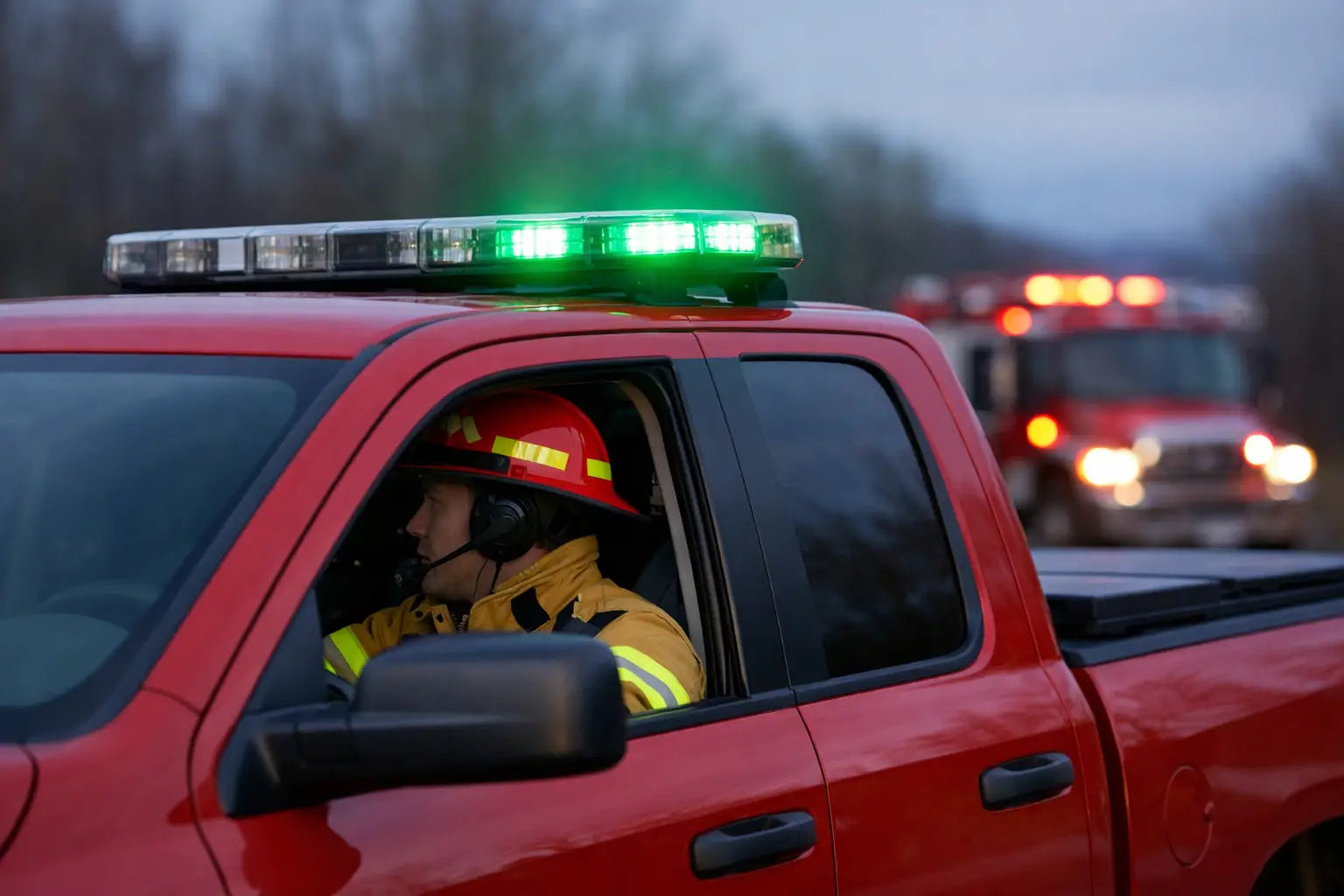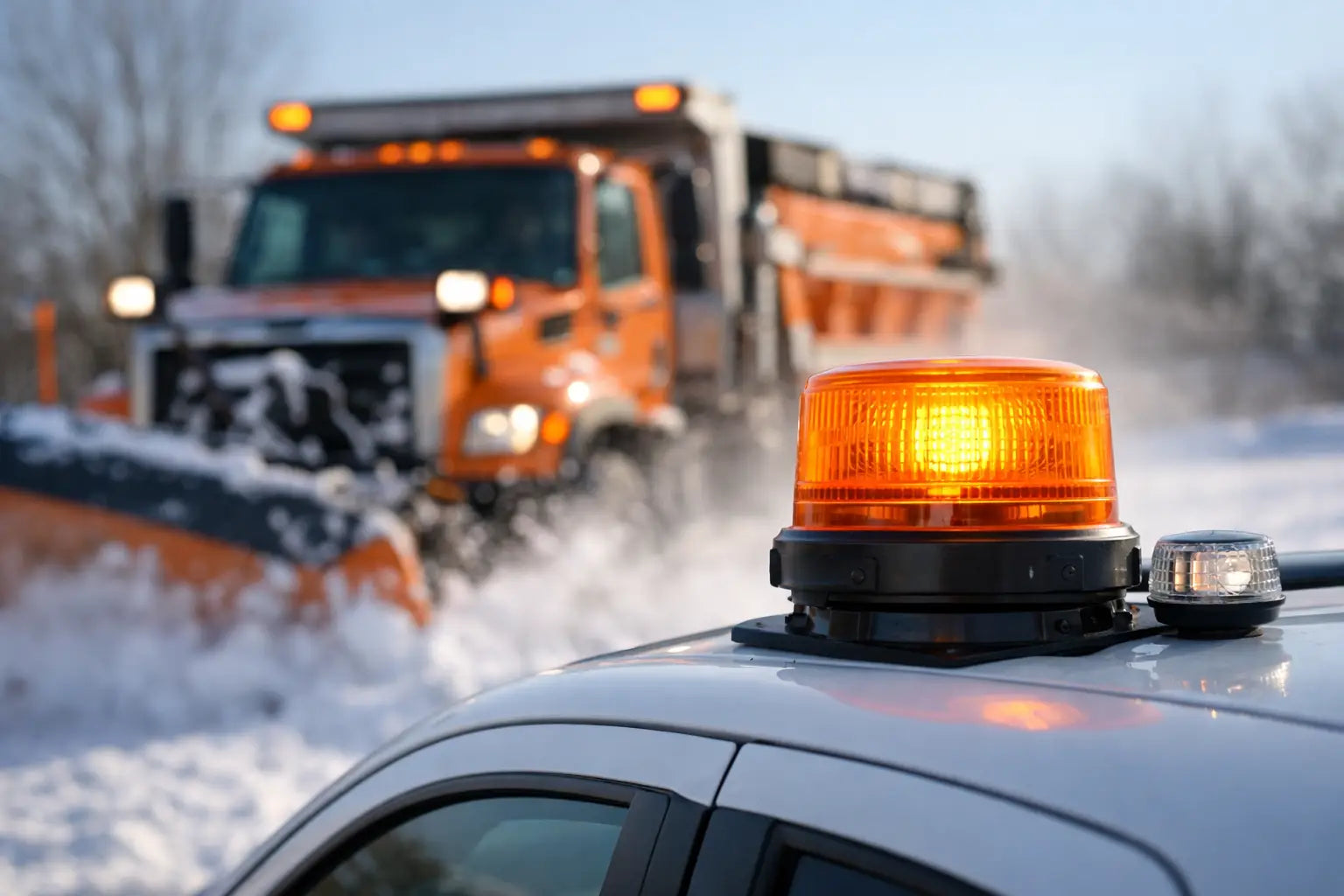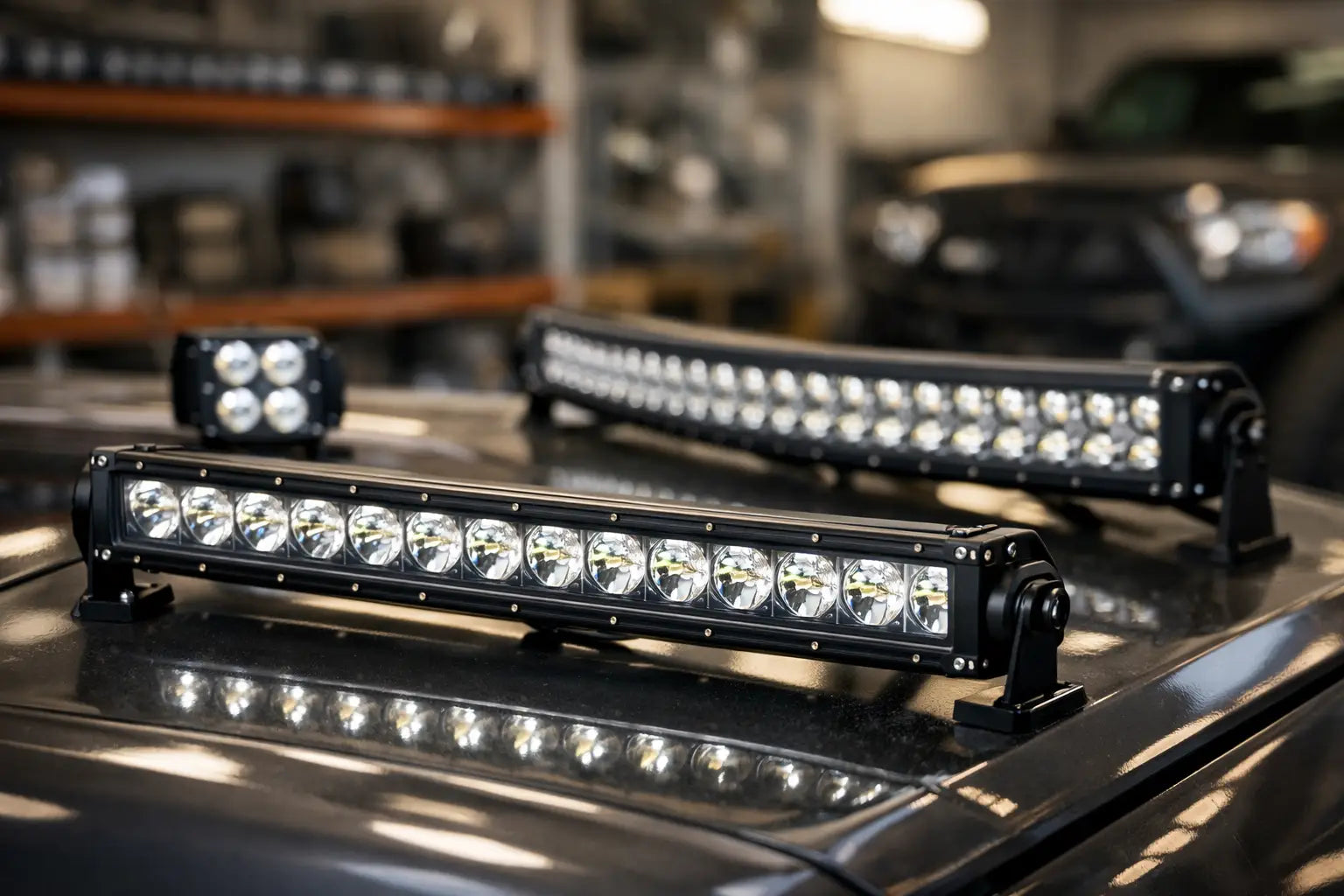

If you work around tow trucks, roadside units, or older recovery rigs, you have probably heard the term watermelon lights. It is one of those shop-floor names that stuck, even though it does not tell you much unless you have spent time around emergency lighting, body installs, or truck upfits.
In practical terms, watermelon lights usually refer to oval or rounded warning lights mounted on each side of a lightbar housing, beacon assembly, or older tow-style warning setup. The name came from the shape. They are not a formal lighting standard, and you will not find watermelon lights listed in SAE documents as a product category. But in the field, the term is still used often enough that buyers, drivers, and fleet managers should know what it means.
What watermelon lights usually mean
Most of the time, watermelon lights describe side-mounted rotating or LED warning modules with a rounded lens profile. On older tow trucks, they were commonly part of a full-size bar or rear body lighting package. On some units, they were true rotating lights. On others, especially retrofit setups, the original housings stayed in place while the internals were updated to LED.
That matters because the name describes the look more than the performance. Two trucks can both have what operators call watermelon lights, but one may be running an outdated halogen rotator and the other may be using a modern LED module with completely different output, flash pattern control, current draw, and maintenance demands.
For fleet buyers, that is the first thing to keep straight. Shape is not a spec. The real questions are beam performance, conspicuity, durability, mounting location, and whether the lighting package suits the job.
Why watermelon lights became common on tow and service vehicles
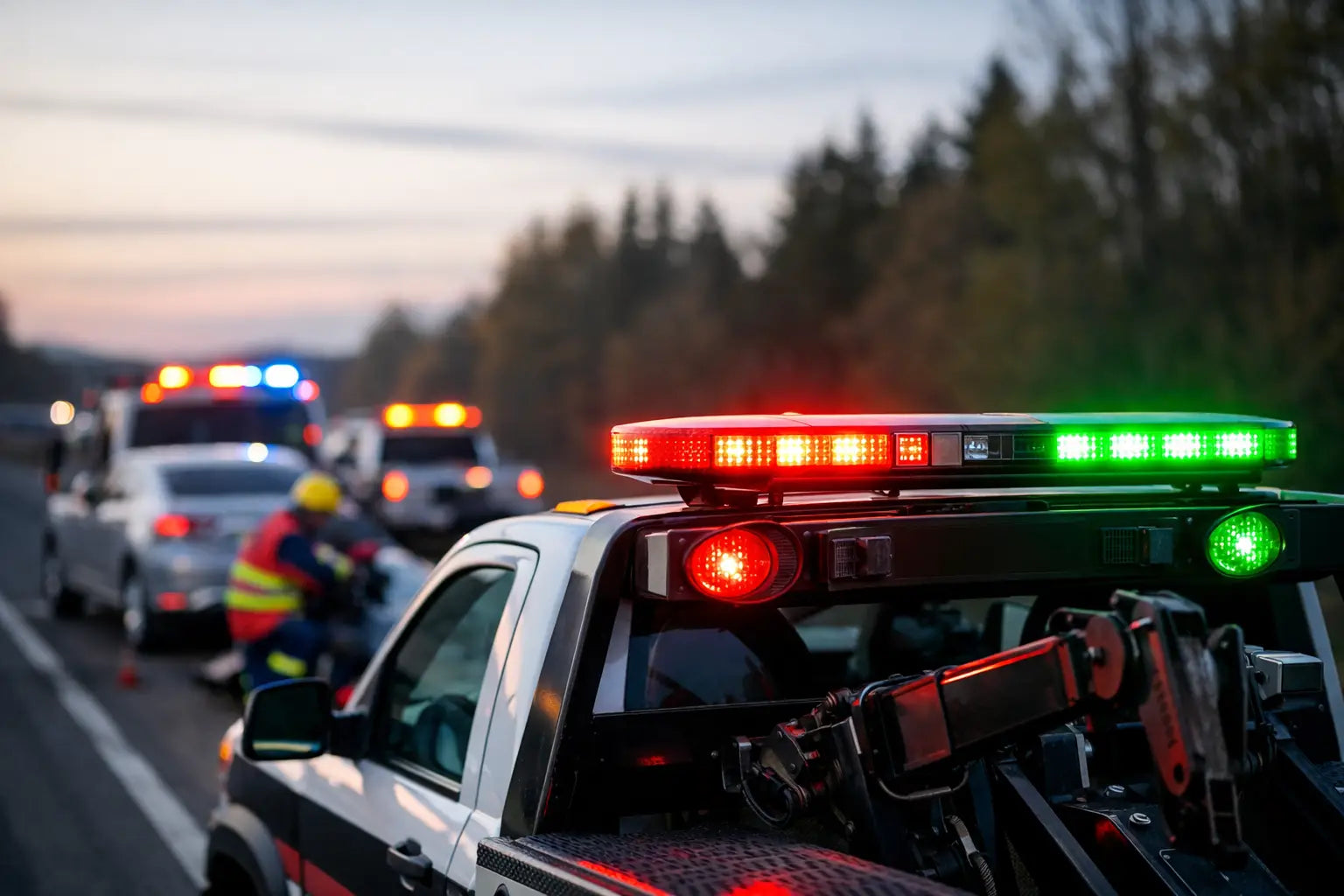
Tow operators needed side warning visibility long before modern low-profile bars became the norm. A truck working on the shoulder is exposed from the rear, front quarter, and side. Traditional rooftop rotators helped with long-range warning, but side-mounted housings added width and side recognition, especially on larger wreckers and carriers.
On older builds, watermelon lights also made sense from a service standpoint. They were visible, easy to identify, and relatively straightforward to replace. If a lens got damaged or a rotating assembly failed, the parts were accessible compared with some fully sealed modern systems.
That said, older does not automatically mean better for current operations. Roadside risk has changed. Traffic volumes are heavier, vehicles are quieter, driver distraction is worse, and many crews now need warning systems that perform well in daylight, poor weather, and tight urban workspaces. A nostalgic lighting setup might still look right on a truck, but looks are not the same as effective warning.
Watermelon lights and modern LED systems
Today, when someone asks about watermelon lights, they are often trying to decide between keeping a traditional-style setup or moving to a more modern warning package. That decision depends on how the vehicle is used.
For a parade truck, restoration build, or occasional-use specialty unit, a classic watermelon-style housing may be perfectly reasonable. For a frontline tow truck, pilot car, municipal service vehicle, or roadside support unit, the conversation should shift quickly to operational performance.
Modern LED warning lights bring real advantages. You get lower current draw, less maintenance, better resistance to vibration, faster flash response, and usually better integration with traffic advisors, brake/turn functions, or perimeter warning systems. Many professional-grade units are also built around recognized performance standards such as SAE J595, SAE J845, or J2498 depending on the light type and application.
That does not mean every LED unit is automatically a good choice. There is a big difference between a professional-grade warning light built for fleet use and a cheap import that looks bright in a product photo. Road spray, salt, vibration, wiring failures, and poor mounting surfaces expose weak equipment fast.
Where watermelon lights still make sense
There are still applications where watermelon lights - or modern lights that keep that same style - can make sense. Tow trucks are the obvious example, especially where body shape, upfit layout, or operator preference supports a traditional side-profile warning setup. Some heavy wreckers and rollback units still benefit from broader visual presence on the body.
They can also suit older apparatus or service fleets where maintaining a familiar look matters, provided the output and reliability are there. In some cases, upgraded internals inside a traditional housing can improve performance without forcing a complete redesign of the truck.
But there is always a trade-off. Larger external housings can be more exposed to impact. They may add wind resistance, create more snag points, or limit mounting flexibility compared with compact surface mounts or low-profile bars. If your trucks work in tight yards, urban loading zones, tree cover, or off-road utility corridors, the old-school form factor may not be your best option.
What to check before buying watermelon lights
If you are sourcing watermelon lights for a working vehicle, start with application, not appearance. Ask what problem the light needs to solve. Is it mainly side warning? Is it part of a rooftop package? Does the truck also need rear directional capability for lane-side operations? Is the unit exposed to weather, washdowns, and winter road treatment?
After that, look at output and rating details. If a light is being marketed for professional roadside use, you should be looking for recognized testing references where applicable, including SAE ratings for the intended warning function. Verify whether the light is meant for permanent mounting or occasional use, and whether the flash patterns and beam distribution actually support the task.
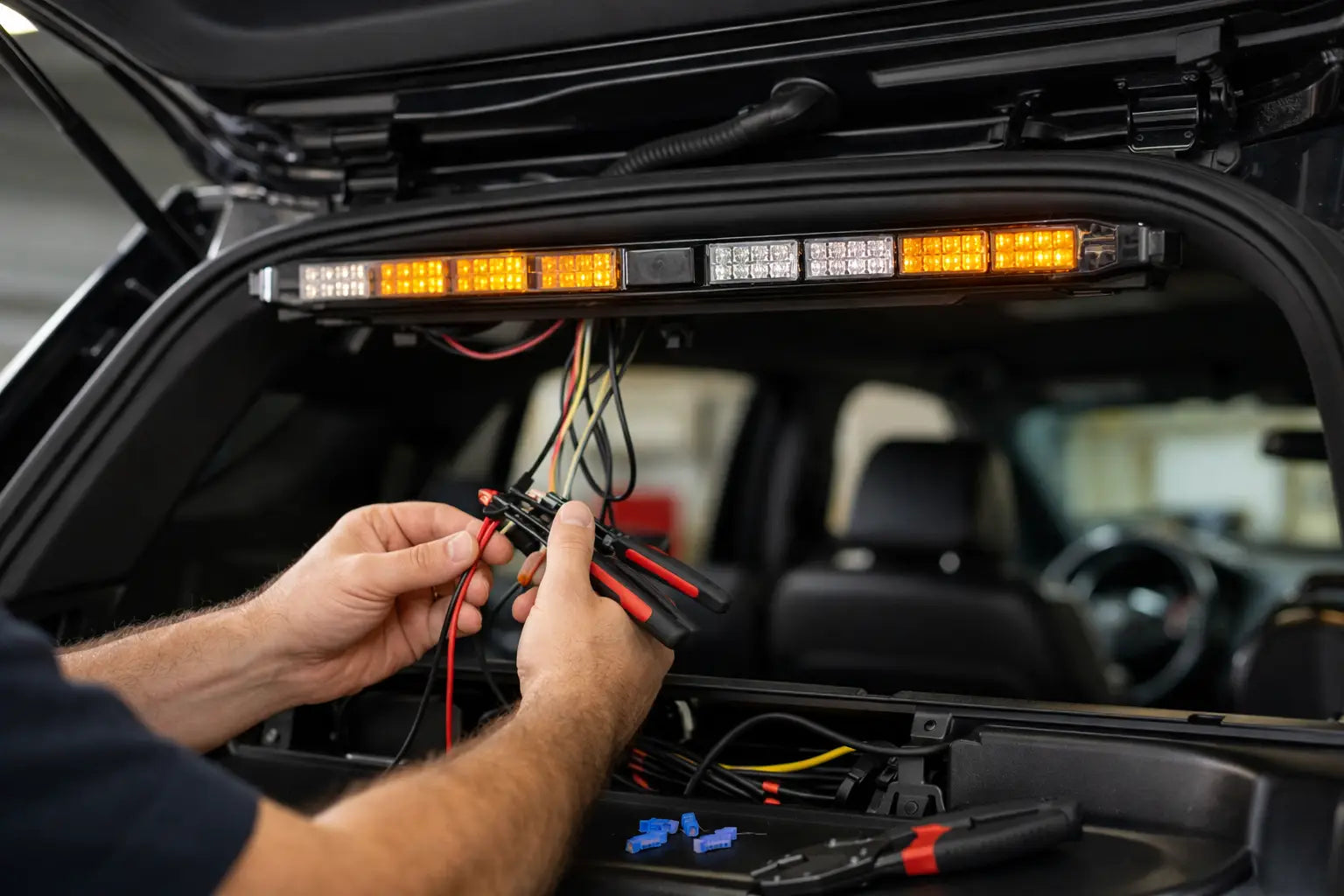
Wiring and mounting matter just as much as the light head itself. We have seen plenty of decent warning lights fail early because they were mounted on weak brackets, grounded poorly, or fed through bargain switches and undersized wire. On tow trucks especially, vibration and body flex punish bad installs. A solid lighting package is a system, not just a pair of lenses.
Watermelon lights are not the whole warning strategy
One mistake fleets make is treating one lighting component as the answer. Watermelon lights can be part of an effective warning package, but they are not a complete visibility plan on their own.
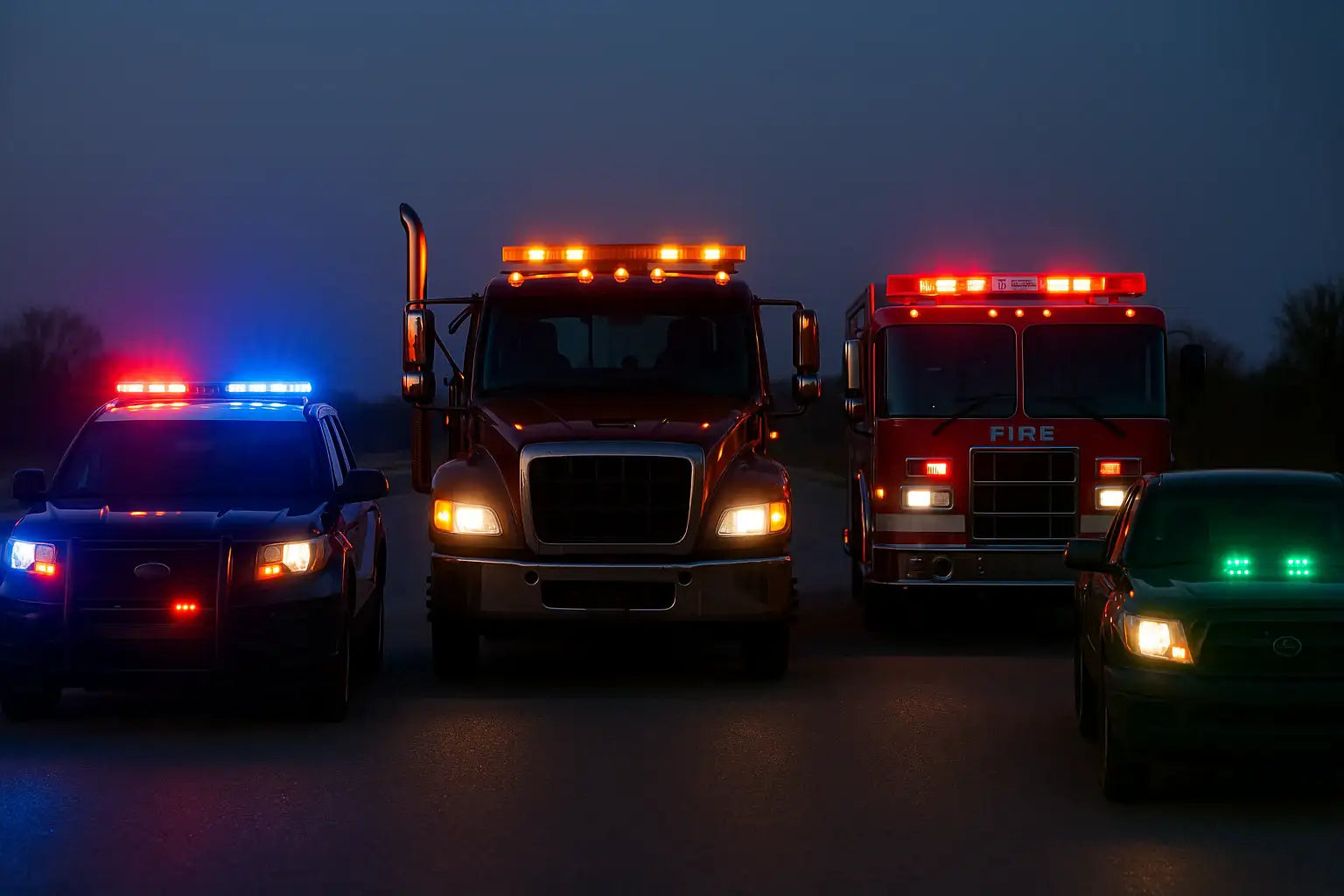
A truck operating on the shoulder or in a live lane environment needs 360-degree thought. That includes front warning, side warning, rear warning, work lighting separation, and in many cases directional traffic advisor capability. It also includes high-visibility markings, clean lenses, proper aiming, and disciplined roadside positioning.
More light is not always better either. Excessive glare, poor flash synchronization, or badly placed work lights can reduce message clarity. Drivers approaching a scene need to understand quickly that there is a hazard ahead and where to move. Warning systems should support that, not create visual clutter.
A note on compliance and fit for use
Because warning light rules and permitted colours can vary by vehicle type and jurisdiction, do not assume a watermelon light setup is acceptable just because you have seen it on another truck. Verify the applicable requirements for your operation, vehicle class, and province before ordering or installing equipment.
That is especially important when retrofitting older units. A truck that originally ran one style of warning package may now need a different configuration to align with current fleet policy, work zone needs, or customer requirements. From a risk-management standpoint, consistency across the fleet usually makes training, inspection, and maintenance easier.
Old-school name, real-world decision
Watermelon lights are a familiar term in the towing and warning light world, but the real buying decision is not about the nickname. It is about whether that style of light gives your crew useful side visibility, dependable service life, and a safer working setup for the roads and job sites you actually face.
If the answer is yes, there are solid ways to spec them properly. If the answer is no, there are better modern options built for real work. Either way, do not buy based on nostalgia, catalog photos, or somebody saying, “That’s what we’ve always run.” Buy based on visibility, durability, serviceability, and how the truck works when traffic is moving past the mirror at highway speed.
That is usually where the right lighting decision becomes obvious.