


For most Canadian fleets, tow operators, and municipalities, the strongest ECCO Safety Group alternatives are the Strobe My Ride patrol-series products, which ship from Canadian stock, carry photometric datasheets mapped to TSD 108, and cover every major warning-light category ECCO serves. Here is the shortlist:
- Fleet Search – High-Output LED Search Utility Light — high-candela scene and search coverage for tow and utility
- Fleet SM Stealth – Smoked Lens Surface Mount — low-profile, discreet surface-mount warning for fleet and municipal vehicles
- Fleet Beam 120 – LED Work Light Combo Beam — flood and spot combo for scene illumination on work trucks
- Fleet Beacon Equip – Amber LED Equipment Beacon — 360° amber beacon for equipment, construction, and slow-moving vehicles
- Full-size LED lightbar category — for emergency, tow, and municipal roof-mount applications requiring maximum visibility
All four named Strobe My Ride products are available with Canadian support, and buyers should confirm CMVSS and TSD 108 photometric mapping before any upfit.
Key takeaways
For Canadian fleets replacing ECCO Safety Group warning lights, the Strobe My Ride patrol series covers every major product category with Canadian stock, TSD 108-mappable datasheets, and installer support.
| Point | Details |
|---|---|
| Request TSD 108 datasheets | Ask suppliers to map each lamp mode to a specific TSD 108 table row before committing to a fleet order. |
| Check provincial colour rules | Amber is broadly permitted; red, blue, and green require provincial statute confirmation for your vehicle class. |
| Verify CAN bus compatibility | Confirm flasher module type before install; plug-and-play OEM modules prevent fault codes on CAN bus vehicles. |
| Allow two to five days for Canadian shipping | Order from Canadian stock to keep purchase-to-upfit timelines predictable for fleet scheduling. |
| Strobe My Ride patrol series | Covers lightbars, surface mounts, beacons, and work lights with Canadian support and photometric documentation. |
Table of Contents
- What are the best ECCO alternatives available to Canadian buyers?
- How do you pick the right ECCO alternative for your vehicle?
- What Canadian compliance rules apply to ECCO alternatives?
- Installation and wiring compatibility: what upfitters need to verify
- Strobe My Ride: spec-matched Canadian alternatives for ECCO products
- Sources
What are the best ECCO alternatives available to Canadian buyers?
The table below compares the four Strobe My Ride patrol-series products across the dimensions that matter most to procurement teams and upfit shops. Generic row labels are used where a product category applies broadly.
Quick product links:
- Fleet Search – High-Output LED Search Utility Light
- Fleet SM Stealth – Smoked Lens Surface Mount
- Fleet Beam 120 – LED Work Light Combo Beam
- Fleet Beacon Equip – Amber LED Equipment Beacon
Pro Tip: When reading a photometric datasheet, candela measures peak intensity in a specific direction, while lumens measure total light output. For warning lights, the number that matters most for visibility at distance is candela, not lumens. Ask your supplier for a datasheet that maps each lamp mode to the specific TSD 108 photometric table row it satisfies, not just a lumen count.
How do you pick the right ECCO alternative for your vehicle?
Start with your operational use case, then work through the checklist below. A product that fits the spec sheet but not the vehicle or the provincial colour rules is not a viable pick.
Selection checklist:
- Operational use: tow truck, municipal service vehicle, emergency response, utility/construction, volunteer fire, snow removal
- Vehicle type and space: roof rack, cab guard, bed rail, or flush-mount surface; measure available mounting area before ordering
- Required flash patterns: confirm the number of patterns and whether master/slave sync is needed for multi-unit installs
- Electrical constraints: check whether the vehicle uses a CAN bus system or a conventional flasher; OEM plug-and-play modules avoid CAN interference
- Environmental needs: salt spray, sub-zero temperatures, and road wash require high IP ratings and corrosion-resistant brackets
- Provincial colour rules: amber is broadly permitted; red, blue, and green are restricted by province and use class
Questions to ask your supplier before ordering:
- Can you provide a photometric datasheet that maps each lamp mode to the applicable TSD 108 table row?
- What SAE standard does this product reference, and do you have the test report?
- Is a wiring diagram and connector spec sheet available for the upfit shop?
- Does the product support master/slave sync, and is an inline flasher module included or available?
- Is Canadian stock held, and what is the current lead time and warranty term?
- Do you offer technical support for installers, including CAN bus compatibility notes?
Typical price ranges for commercial-grade warning lights in Canada:
- Amber LED beacon (equipment class): entry commercial tier
- Surface-mount LED (low-profile): entry to mid commercial tier
- LED work light (combo beam): mid commercial tier
- Full-size LED lightbar (emergency/tow): mid to upper commercial tier
Volume procurement should request fleet pricing and confirm warranty registration processes before the first order.
Red flags to watch for: a supplier who cannot provide a photometric datasheet, makes vague compliance claims without referencing TSD 108 or an SAE standard, offers no Canadian warranty or support contact, or cannot confirm flasher and CAN compatibility at quote stage.
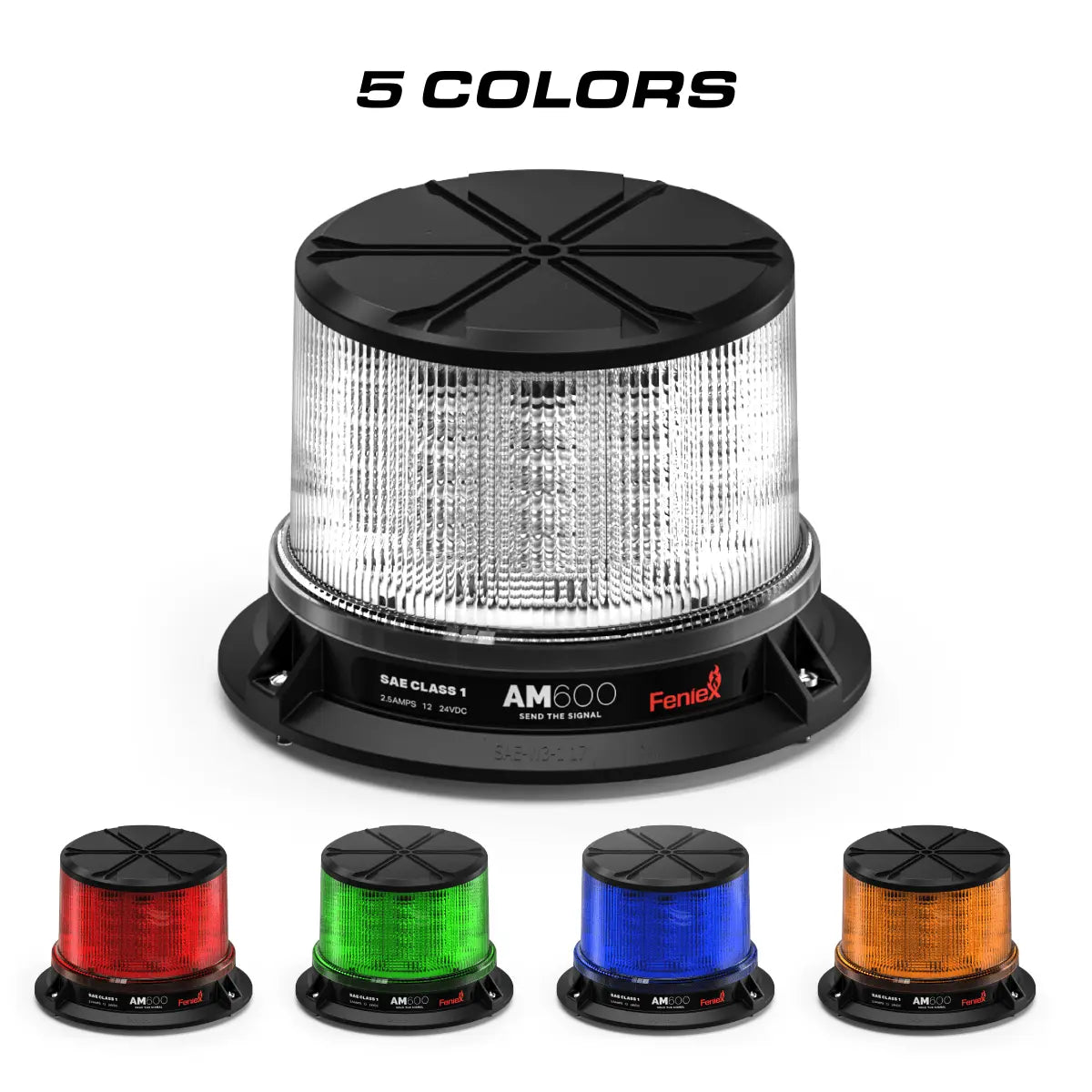
Typical purchase-to-installation timeline in Canada: allow several business days for shipping from Canadian stock, a short scheduling period for upfit shops, and a few hours per vehicle for a standard surface-mount or beacon install. Full lightbar upfits with wiring and sync setup typically require about half a day to a full day per vehicle.
What Canadian compliance rules apply to ECCO alternatives?
TSD 108 is the federal standard that sets photometric requirements, lamp counts, hazard warning flasher specifications, and operating unit requirements for vehicles sold or operated in Canada. Any replacement warning light must meet the photometric tables in TSD 108 for its lamp class, and suppliers must be able to show that mapping on a datasheet.
Transport Canada’s Motor Vehicle Safety Regulations require manufacturers and importers to maintain certification test records. Buyers should request proof of conformity or test records from any supplier before committing to a fleet order.
Compliance checklist for buyers:
- Confirm the product carries the required SAE standard reference for its class (e.g., SAE J845 for beacons, SAE J595 for directional warning lights)
- Request a photometric datasheet with TSD 108 table row mapping for each lamp mode
- Ask for the National Safety Mark or component certification documentation where applicable
- Verify that the lamp colour is permitted for your vehicle class and province before ordering
- Check Federal lighting equipment location requirements for minimum counts, placement, and colour rules by vehicle type
Provincial colour rules vary significantly. Amber is the most broadly permitted warning colour across Canada for construction, tow, and utility vehicles. Red, blue, and green carry strict restrictions. In Ontario, O. Reg. 484/07 governs flashing red, green, and blue lamps and includes specific rules for volunteer medical responders using green lights. Nova Scotia’s Vehicle Warning Lights Regulations restrict flashing amber lights to authorised vehicles and require simultaneous hazard flashing to comply with the federal Motor Vehicle Safety Act. Quebec’s C-24.2, r. 49 sets out which vehicle types may carry flashing or rotating amber lights and requires authorisation for some uses. BC’s Motor Vehicle Act Regulations adopt TSD 108 and SAE standards directly and include specific tow truck amber lamp requirements. For permitted warning light colours in Canada, always check the applicable provincial statute for your vehicle class and use.
Pro Tip: Ask your supplier for a signed letter or stamped datasheet that maps each specific lamp mode and colour to the TSD 108 table row it satisfies. A general “TSD 108 compliant” claim on a spec sheet is not sufficient for procurement or enforcement purposes.
Installation and wiring compatibility: what upfitters need to verify
Before any warning light goes on a vehicle, the upfit shop needs to confirm electrical and mechanical compatibility. Skipping this step is the most common cause of returns, warranty disputes, and failed inspections.
Pre-installation checklist:
- Confirm whether the vehicle uses a conventional flasher circuit or a CAN bus system; CAN bus vehicles require compatible flasher modules or load resistors to avoid fault codes
- Verify supply voltage (12V or 24V) and confirm the product’s operating range matches
- Check available amperage on the circuit and size the fuse accordingly; never share a warning light circuit with other high-draw accessories
- Confirm master/slave sync wiring if fitting multiple units; OEM plug-and-play flasher modules eliminate most CAN compatibility issues
- Measure mounting surface dimensions and confirm bracket or surface-mount hardware is rated for the vehicle’s vibration and load environment
- Inspect roof or bed reinforcement where permanent mounts will carry load in high-vibration applications
Wiring guidance for upfit shops: a typical multi-unit install uses a master unit that drives the flash pattern, with slave units wired in parallel on a dedicated bus. Power feed should run directly from the battery or a dedicated fused relay, not through the OEM fuse panel. Use weatherproof connectors rated for the application, and size the main feed wire to handle the combined draw of all units on the circuit with a safety margin.
Pro Tip: For winter and coastal installs, seal every connector with adhesive-lined heat-shrink tubing and apply dielectric grease before mating. Choose brackets with a salt-spray rating and stainless hardware. A connector that fails in February on a tow truck is a safety event, not just a warranty claim.
Where a fleet runs telematics or a light-control module, confirm that the warning light controller does not conflict with the telematics CAN interface. Flag any CAN compatibility questions to the supplier at quote stage, before the upfit begins.
Strobe My Ride: spec-matched Canadian alternatives for ECCO products
Canadian fleets and upfitters that need a direct replacement for ECCO Safety Group warning lights can spec-match through Strobe My Ride’s patrol series, which covers every major product category with Canadian stock, warranty support, and photometric documentation.
Here is how the four required products map to common ECCO product types:
- Fleet Search – High-Output LED Search Utility Light: replaces ECCO search and utility scene lights; suited to tow trucks, emergency response, and utility vehicles needing high-candela forward or side illumination.
- Fleet SM Stealth – Smoked Lens Surface Mount: replaces ECCO surface-mount warning LEDs; low-profile smoked lens fits municipal, fleet, and volunteer fire vehicles where a discreet profile matters.
- Fleet Beam 120 – LED Work Light Combo Beam: replaces ECCO work and scene lights; combo flood/spot beam covers tow scene work, construction, and utility truck bed lighting.
- Fleet Beacon Equip – Amber LED Equipment Beacon: replaces ECCO amber beacons; 360° amber output for construction equipment, snow removal, and slow-moving utility vehicles.
Strobe My Ride ships from Canadian stock, offers installer technical support, and provides warranty coverage with a Canadian support contact. To request a spec-match quote or confirm photometric datasheet availability for your fleet, visit the LED warning lights Canada collection page or contact the Strobe My Ride team directly.
Sources
Transport Canada primary sources:
Provincial statutes referenced:
Strobe My Ride product and support pages:


