


Most light bar wind noise comes from air tumbling through cooling fins or a narrow mounting gap, not a faulty unit. Try sealing the fin gaps with flyscreen spline or rubber isolators first. Run a quick stationary versus in-motion check to rule out electrical causes before buying anything. If your current bar is beyond a simple fix, replacement mini bars and accessories are available from Canadian suppliers.
TL;DR:
- Sealing fin gaps with rubber or spline can effectively reduce wind-induced whistling without replacing the light bar.
- Documenting the noise’s speed range helps determine if the issue is aerodynamic resonance or electrical interference.
- Proper mounting tightness, angle, and minimal gaps are crucial to prevent wind noise from building into the installation.
- Electrical noise manifests as static or hum while stationary and is linked to grounding or wiring issues, not wind.
- Canadian suppliers stock mini bars and parts suitable for quick replacement or upgrades, but fit and UV ratings should be verified first.
Why does my light bar whistle in the wind?
The whistling sound comes from air moving across the cooling fins on the underside of the light bar housing. Those fins pull heat away from the LEDs, but the same ridges that cool the electronics also create turbulence when wind hits them at speed. On some mounting setups, air also gets trapped in narrow gaps between the bar and the roof rack or bracket, and those gaps act like a whistle chamber. Long T-slots or groove cavities in roof racks behave the same way, creating a resonance loop once airflow passes over them at the right speed.
Vehicle shape matters more than most owners expect. A boxy work truck or a lifted pickup pushes a different air profile over the roof than a sedan, so the same light bar can be dead silent on one vehicle and shriek on another. ALTIQ notes that modern light bar housings are wind-tested during design, so a whistle usually points to mounting position and vehicle airflow rather than a defective unit.
Here’s how to tell the difference between the two most common noise types:
- Aerodynamic whistle: starts only once the vehicle reaches a certain speed and disappears when you slow down.
- Electrical hum or static: present while parked with the ignition on, often paired with radio interference or speaker buzz.
- Cavity resonance: a steady tone that appears in a narrow speed band and stays constant, rather than rising and falling with wind gusts.
Pro Tip: Wind whistles frequently lock onto a specific speed window because the airflow only lines up with the cavity at that exact velocity. Documenting the speed range where the noise starts and stops makes it much easier to confirm a fix worked.
Run this order of checks in your driveway, then on the road: start the vehicle stationary and listen with the lights on and off; drive at low speed and gradually increase; note the speed where the sound appears; try covering the fins with a rag while moving to see if the sound drops.
DIY fixes to try before buying anything
Two low-cost fixes solve the vast majority of aerodynamic whistling, and both take under an hour.
- Seal the fin gaps with flyscreen spline. This is the standard rubber cord used in window screens, available at most hardware stores. Insert it along the length of each cooling fin, pressing it into the gap so it sits flush. Many installers only need to fill the bottom half of the fin stack, since that is where airflow separation tends to start.
- Add rubber isolators between the fins. These are purpose-cut inserts sold for this exact job. They fit into the same gaps as spline but are pre-shaped, so they go in faster if you’d rather not cut cord to length.
- Run a temporary cover test first. Before cutting or gluing anything permanent, tape a strip of fabric or a temporary cover over the fin area and drive the same speed range where the whistle occurred. If the sound disappears, you’ve confirmed an aerodynamic fix will work.
- Retest at the exact speed that triggered the noise. Note the speed before you start, then repeat the same stretch of road after each change so you’re comparing like for like.
Pro Tip: Write down the speed and conditions each time you test. A whistle that vanished at 80 km/h but crept back at 100 km/h tells you the fix is partial, not a failure.
Rubber isolators are widely reported to stop fin vibration without changing how the bar looks or performs, which makes them a safe first purchase if spline alone doesn’t fully quiet things down.
Should you buy a silencer, diffuser, or seal kit?
When DIY inserts don’t fully solve it, three categories of purchased hardware cover most remaining cases.
- Wind diffusers and shields: low-profile covers that redirect airflow over the top of the bar instead of letting it catch on the fin edges directly, often used on bars mounted high or angled into the windshield airflow.
- Clip-in or screw-in silencers: pre-formed inserts that snap or screw between fins, similar in function to rubber isolators but sometimes rated for higher speeds or rougher vibration.
- T-slot and rack-slot seals: rubber strips that fill the long groove channels in a roof rack or mounting rail. Sealing these cavities changes the shape of the airspace enough that the resonance simply can’t form.
Before buying, check four things: does the insert actually fit your bar’s fin spacing, does it clip or screw in without extra drilling, will it partially block any lens area, and is it rated for outdoor UV and cold exposure if you’re driving through a Canadian winter. A silencer that fits loosely will rattle instead of seal, which trades one noise problem for another.
Is the noise actually electrical, not aerodynamic?
Electrical noise and wind noise are easy to mix up, but they behave differently. A whistling or roaring sound that only shows up once you’re moving, and changes with speed, is aerodynamic. A hum, buzz, or static that’s present with the engine running and the vehicle parked is electrical.
- Electrical noise often shows up as radio static or a hum through the speakers when the light bar is switched on.
- Common causes include a weak chassis ground, power wiring routed too close to antenna or audio cables, and shared circuits with other accessories.
- High-level fixes include improving the ground connection, adding an inline noise filter, and keeping the power feed separated from sensitive wiring runs.
- A stationary hum that stops when the lights are off but returns when they’re on is a strong signal to check grounding before touching the light bar itself.
If grounding and filtering don’t clear it, or you’re not comfortable tracing the wiring yourself, a qualified upfitter can run proper diagnostics rather than guessing. Strobe My Ride does not provide wiring or installation instructions here. Contact a licensed installer for anything beyond basic checks.
How mounting choices prevent noise before it starts
A lot of wind noise gets built into the install before the vehicle ever hits the highway. Small decisions at mounting time make a bigger difference than most owners assume.
- Keep the bar seated tight against the mounting rail or bracket. Any visible gap becomes a wind channel once you’re moving.
- Test a slight change in mount angle or height if the whistle persists. Even a few degrees of pitch can shift where air separates off the fins.
- Use mounting hardware that clamps firmly rather than hardware that allows flex, since vibration transfer through a loose bracket can add its own rattle on top of any wind noise. Our mount solutions guide covers common bracket options.
- After remounting, drive a fixed loop at 50, 80, and 100 km/h and note whether the sound returns at any of those speeds.
Small gaps compound. A bar that’s slightly off-square on its bracket creates an uneven gap on one side, which is often enough to start a whistle that a perfectly seated bar wouldn’t produce.
Strobe My Ride: Canadian stock and product support
Some Canadian suppliers hold stock locally and ship replacement parts and mini bars across the country without border delays.
- Catalogue offerings include several lines of mini light bars suitable for various applications.
- Specifications, certifications, and colour options vary by product, so it is important to verify fit and compliance details directly rather than relying on general description sheets.
- If unsure whether a replacement bar matches a current mount, compatibility checks against specific product SKUs are advisable.
Browse the light bar buying guide for a rundown of how mini bars, surface mounts, and beacons differ before you commit to a replacement.
Where to find quieter mini light bars
If sealing fins and testing mounts hasn’t solved it, and your current bar is due for a refresh, three catalogue options are worth checking against your existing bracket. The Fleet Bar Mini Duo is a Class 1 SAE LED mini light bar built for compact mounting on service trucks. The Signal Bar Mini-Lite is an amber LED mini light bar sized for vehicles that need a lower-profile warning signal. The Patrol Bar Quad 24 is a mini lightbar available in amber, white, blue, and green configurations for operators who need colour flexibility.
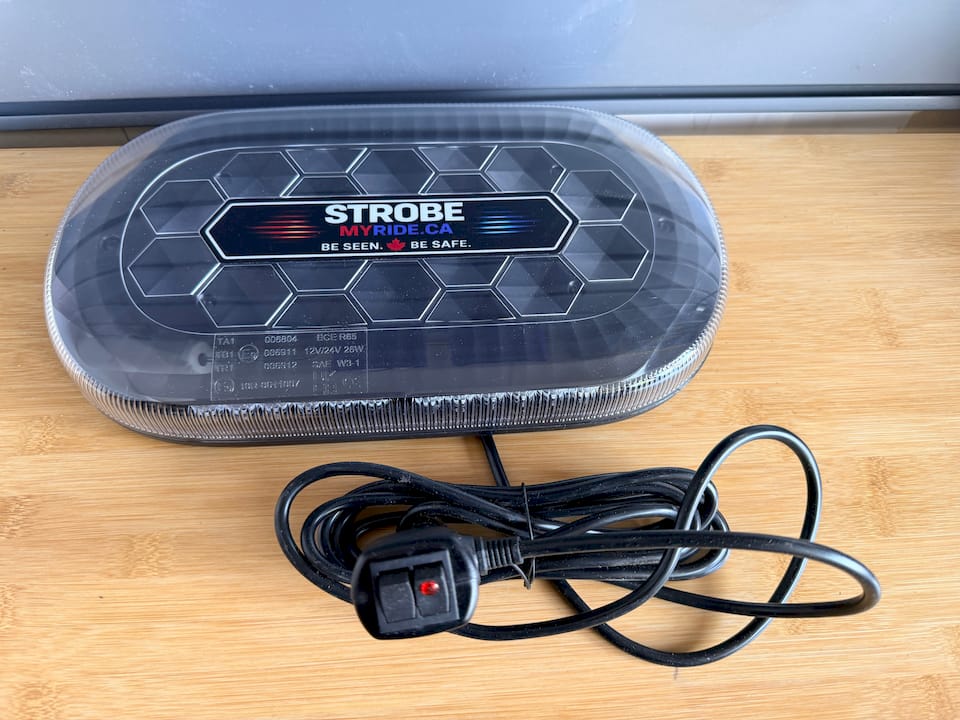
None of these are marketed as noise-tested replacements, and no specific bar is claimed to eliminate wind noise. It is advisable to confirm whether a given product fits existing mount and rack profiles before ordering, to avoid unintended issues. Browse the full product catalogue or reach out to our team with your current mount type and vehicle, and we’ll walk through which mini bar fits.
Sources
Key references used in this guide cover fin-gap sealing with spline, rubber isolators and covers, roof rack T-slot resonance, and electrical grounding practices, alongside Strobe My Ride’s own light bar cover options and background on windshield wind noise for context on cavity acoustics.
- Light bar wind noise, and how to prevent it – STEDI
- How To Silence A Light Bar (Wind And Whistling Noises) - Soundproof Expert
- Reducing Light Bar Electrical Noise In Vehicles | OCM Upfitting
FAQ
How do I stop wind noise on a light bar?
Seal the gaps between the cooling fins with flyscreen spline or rubber isolators, which is the most common and lowest-cost fix. If the bar mounts onto a roof rack with visible T-slots, sealing those grooves with a rubber insert removes the resonance that causes a steady whistle.
How can I reduce wind noise from my roof bars?
Fill the long T-slot channels in the rack with a rubber seal, since an open groove cavity creates the same resonance loop as an unsealed light bar fin. Check the mounting gap between the bar and rail too, since a loose fit adds its own whistle on top of the rack noise.
Why is my LED light making a high-pitched noise?
A high-pitched whine while the vehicle is parked and the light is on usually points to electrical interference rather than wind, often tied to weak grounding or wiring routed too close to audio or antenna cables. If the noise appears only while stationary and disappears when the light is off, check the ground connection before assuming it’s aerodynamic.
How do I tell if a light bar is bad?
Run the cover test: tape fabric or a temporary cover over the fin area and drive the same speed where the noise occurred. If the whistle disappears with the cover on, the bar itself isn’t defective, it’s an aerodynamic mounting issue you can fix with spline or isolators rather than a warranty claim.


